What a lot of noise – white noise, pink noise, green noise, and brown noise!… not every noise is grating … some noises are intended to be soothing …
Not all noise is noisy. The four most common types of “good” noise are white, pink, brown, and green noise. White noise may help you concentrate … while brown noise helps you sleep … and green noise helps you unwind after work … while pink noise helps during mindfulness practices. But not everyone relaxes to the same frequencies. White noise is the great equalizer and the type that most people have heard of, or even listened to. White noise machines emit specific sounds, such as the sound of a hum of a cooling fan, an air conditioner, television static, or steady rainfall, designed to distract you from annoying noises so that you can focus on work or something else. White noise contains all audible frequencies in equal measure. It is steady, neutral, and continuous. People like it because it masks unpredictable sounds, like footsteps in a hallway, distant chatter, and doors closing. It creates a feeling of acoustic privacy and is often referred to as “good noise.” Not everyone likes white noise though. Because it contains all frequencies, it can feel sharp or overwhelming for sensitive listeners. Pink noise is soft, warm, and natural. Pink noise decreases in power as the pitch increases, giving it a softer, more balanced feel than white noise. It is associated with wind, ocean waves, and rustling leaves. People like it because it mirrors many natural environmental sounds, making it soothing to aid sleep or to focus on specific tasks. Not everyone likes pink noise because they don’t like the sound of water or wind. Green noise is nature’s middle ground. Green noise amplifies mid-range frequencies, reducing harshness and creating a more natural, ambient presence. It is often compared to waterfalls, river streams, and forest ambience. People who find white noise too intense, but crave an environmental “blanket” of sound, like the presence of green noise. Brown noise is deep, low, and grounding. Brown, or Brownian, noise decreases power even more sharply than pink noise, creating a deeper, bass-heavy sound like distant thunder, vigorous ocean surf, and deep rumbling wind. People like it because it creates a physical sense of grounding. Many people feel the noise reverberating in their chest, which can calm their anxiety. Even if we don’t notice it consciously, our nervous systems are constantly adjusting to the acoustic landscape around us, often becoming a comforting sound. Examples include a humming fridge, children’s voices and laughter, and a waterfall. Not everyone likes the same comforting sounds though. One person’s soothing sound is another person’s irritating sound. A sound you thought was soothing one day might become annoying the more you listen to it. Noise doesn’t just exist “out there.” It interacts with your sensory profile, stress levels, environments, routines, or patterns of attention. Some sounds become personal noise triggers. By focusing intentionally on different types of sounds, you can learn which noises drain you fastest, which noises soothe you, and which noises have become normalized without you realising it. Tranquility Mapping can help to locate where sound pools; where sound echoes; where noise naturally fades; how textures, curtains, carpets, and plants soften harsh frequencies; and how furniture placement influences acoustic flow. It can help a room, an office, or a corner become a place of rest and not a stressor. Once you know what sounds calm you, you can create focused playlists, sleep soundscapes, stress-reduction breaks, and noise-mitigation strategies for travel, meetings, and shared spaces. The aim is to make noise less of an invader and more of a resource. When noise feels random, intrusive, or unpredictable, your stress systems remain on alert. When noise becomes understood and mapped, calmness becomes possible, even in a noisy world.
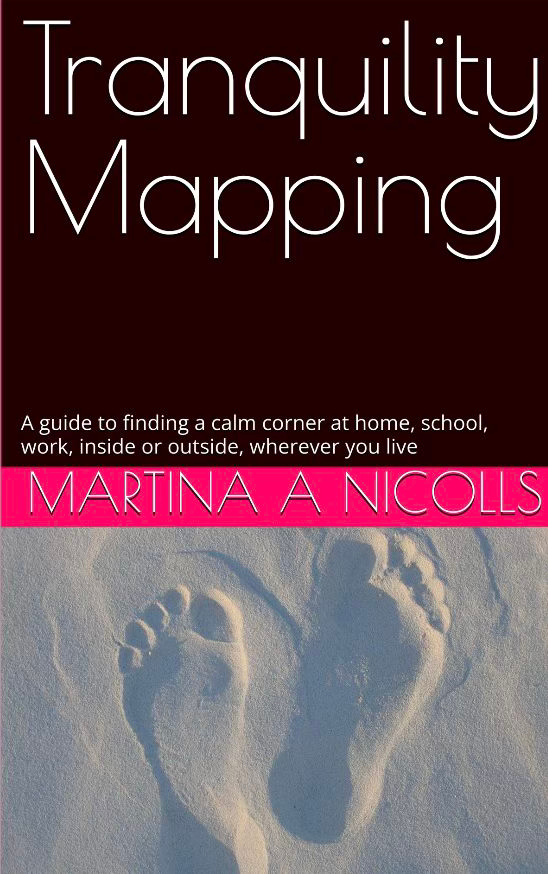
Amazon Review, Canada 27 October 2025: Marie-Pier Cote - 5 stars I didn’t realize how much my environment affected my stress until I read this book. Tranquility Mapping helped me slow down and actually notice the spaces around me. Martina Nicolls explains things in such a calm, thoughtful way that you can almost feel your shoulders drop while reading. The mapping exercises were surprisingly fun, and I’ve already created a small “quiet corner” at home that I use every morning. It’s practical, creative, and gentle! Perfect for anyone who feels overstimulated or scattered. What I loved most is that it doesn’t preach; it simply guides you back to your own sense of peace. Can’t see the whole article? Want to view the original article? Want to view more articles? Go to Martina’s Substack: The Stories in You and Me More Paris articles are in my Paris website The Paris Residences of James Joyce You're currently a free subscriber to The Stories in You and Me . For the full experience, upgrade your subscription.
|
Saturday, 13 December 2025
What a lot of noise – white noise, pink noise, green noise, and brown noise!







Subscribe to:
Post Comments (Atom)

-
petrini1 posted: " For Week 7, the theme of genealogist Amy Johnson Crow...
-
The power pose of personal peace - with psychological benefits ... ͏ ͏ ͏ ͏ ͏ ͏ ͏ ͏ ͏ ͏ ͏ ...
-
A fall, a faceplant, and getting back up again … ͏ ͏ ͏ ͏ ͏ ͏ ͏ ͏ ͏ ͏ ͏ ͏ ͏ ...


No comments:
Post a Comment