NEW PARIS BOOK IN PROGRESS IN 2025: EMOTIONAL ARC – Blog 34Up and down emotions … and yet it’s called an emotional arc …
An emotional arc is a character’s inner journey – how they go through change and grow by the end of the story. A novel’s strong emotional arc taps into universal emotions, like love, grief, regret, and hope as the character makes a transformation in life. For example, in the new Paris book, a character may need to either make a decision to stay or leave, or is forced to by bureaucracy or a dilemma, such as Brexit or the pandemic. Or maybe Paris was a stopover while the character figured out what to do next. Whatever the scenario, the character should learn something emotionally and transform emotionally. In either scenario, there should be a midpoint crisis – a choice or breaking point – or the character faces a major revelation. The character might be reluctant to change – what happens if, and when, the character resists change or resists “starting over.” What is the turning point – the resolution point, the point when action occurs? The endpoint could then be an internal realization of something – such as what “home” means or reflecting on the transformative process or reaching a long sought after goal. And that is the emotional arc – the term writers use. For me, the word “arc” seems incongruous or misleading because emotions fluctuate and don’t move in simple, smooth, rainbow-like curve. The reason the process is called an emotional arc is because, over the course of the story, a character’s emotional journey tends to have an arc shape when mapped out. Think of it not as a perfectly symmetrical curve but as a narrative shape that shows change over time. The term helps writers to “structure” emotional growth so that the character isn’t the same at the end of the story as they were at the beginning. Really, emotional growth looks more like a winding mountain path, or a spikey heart monitor response, rather than a clean, upward curve. The key is that by the end, there is a clear transformation, even if the road was rocky. I like to think of the emotional arc as a mountain climb, like a rocky, uneven adventure, sometimes exciting and sometimes scary due to falls, setbacks, back-tracks, good weather; bad weather, spurts of movement, and times of fatigue. I like to think of the emotional arc as a river, sometimes flowing smoothly and sometimes turbulent, and maybe – like during the pandemic – still and perhaps even stagnant. I like to think of the emotional arc as a spiral, with the character revisiting and repeating the same emotions, the same struggles, the same scenarios, seemingly getting nowhere but eventually cycling slowly upwards. Or like a tapestry, with threads of emotions weaving in and out of a character’s life, ultimately forming a recognizable pattern. Ultimately though, emotional growth is non-linear, and rather than a perfect arc, it is a progressive transformation on a road with detours, regressions, dead ends, surprises, shocks, thickets, thorns, roses, and open fields.
Have you missed the other 33 episodes? Find them in the “PARIS as I write” tab of this “The Stories in You and Me” Substack. MY PARIS WEBSITE AND ALL THINGS PARISIAN Photographer: Martina Nicolls PIP DECKS, the fun and engaging how-to guides for business. You're currently a free subscriber to The Stories in You and Me . For the full experience, upgrade your subscription.
|
Saturday, 1 February 2025
NEW PARIS BOOK IN PROGRESS IN 2025: EMOTIONAL ARC – Blog 34










MAKING MY PEACE … with lifelong friendships
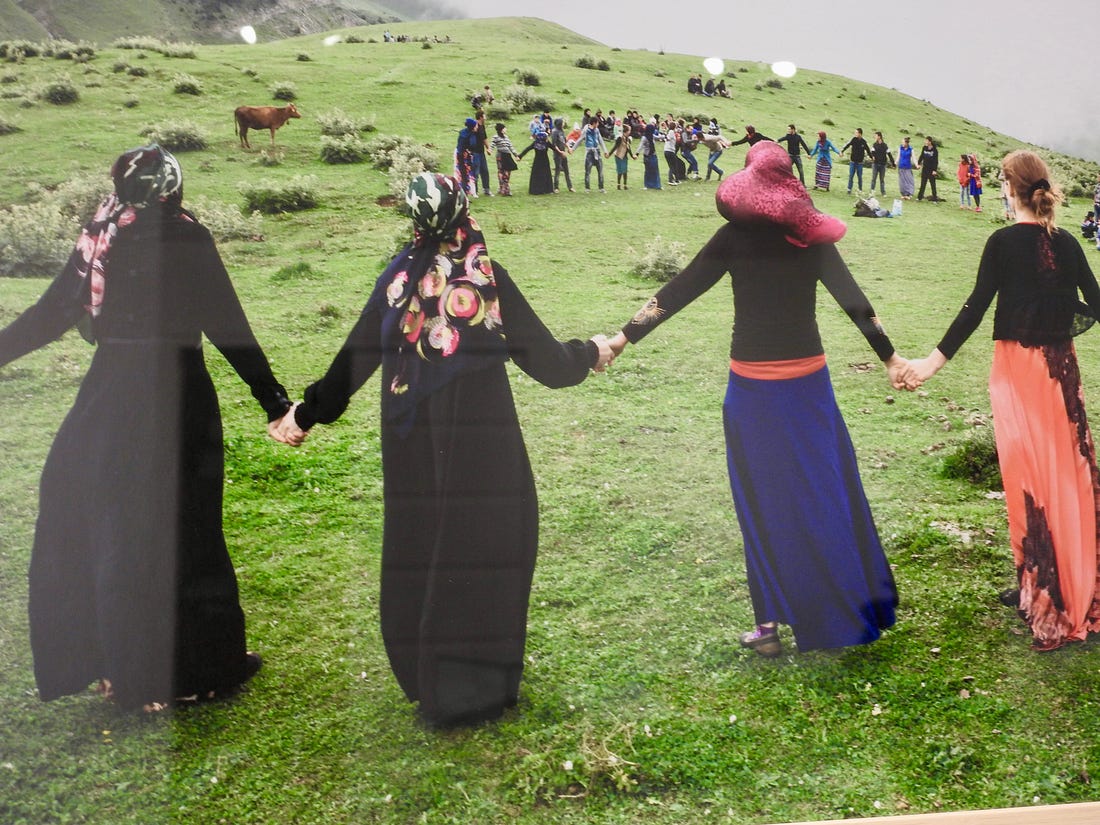
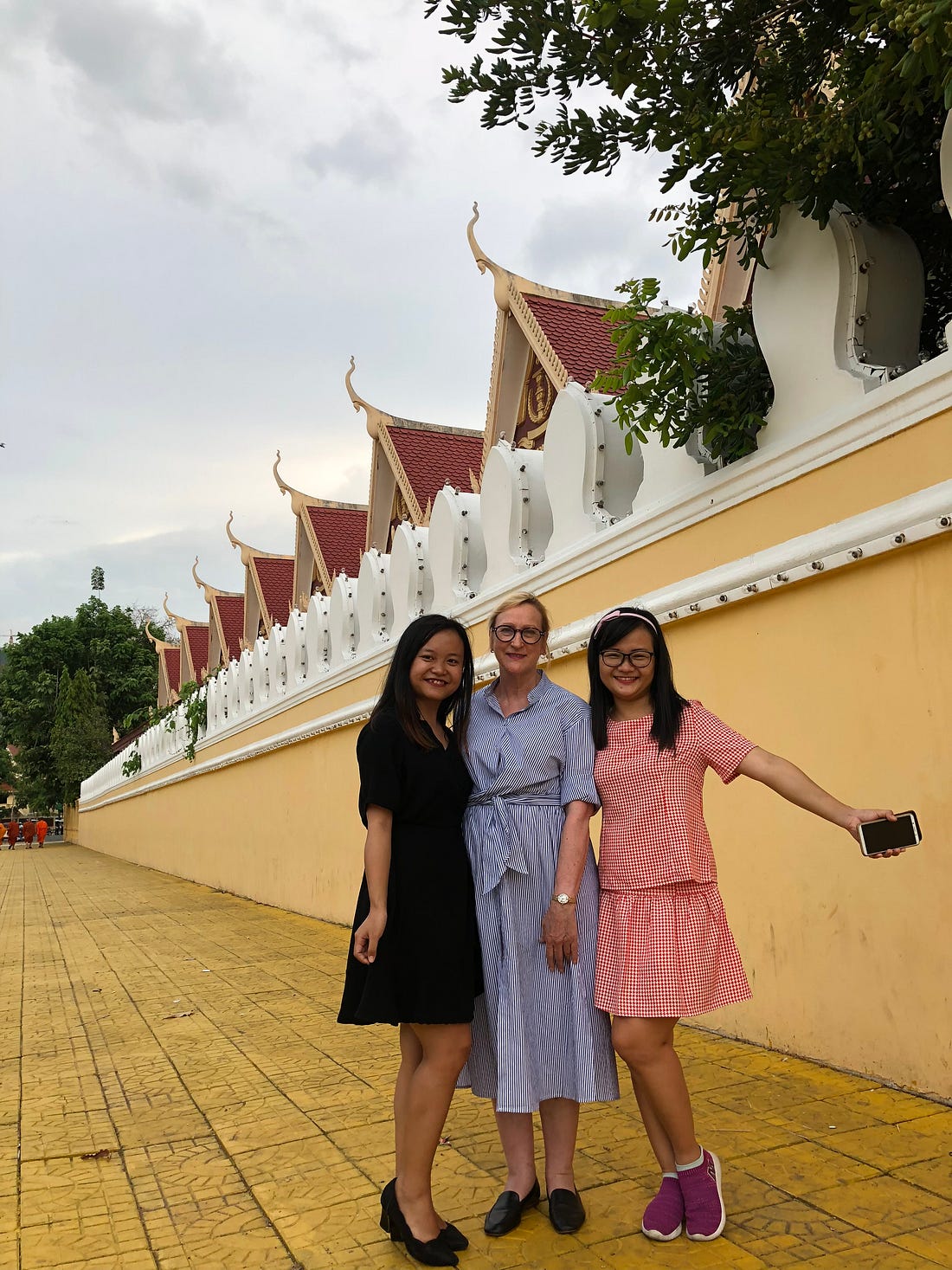
Friendship – brief or long – is one of the most powerful influences on well-being. Research confirms that having strong, supportive friendships can reduce stress, improve mental health, and even increase longevity. As I think about friends from school days, some over a period of fifty years or more, I wonder what it takes to maintain lifelong friendships. For me, I think they come from making efforts that themselves can be small or grand. Lifelong friendships don’t require daily contact, but they do need effort, although that too doesn’t need to be daily or regular. Small gestures such as a quick text, a letter or email, or an occasional voice call may keep the bond alive, even during long periods of physical distance or personal busyness. Over periods of time, a lifetime, people change, sometimes slowly and sometimes dramatically.Interests evolve, values shift, and life circumstances alter. A key to long-term friendship is allowing space for each other’s growth without judgment. Staying curious, but not nosey nor intrusive, about their evolving perspectives, and sharing your own perspectives, may help the relationship endure. Life is full of ups and downs. People have health struggles, career transitions, loss, and triumphs. It is often during difficult times when friendships emerge. For example, strangers during natural disasters or catastrophic events may become lifelong friends. Being present during difficult times can build a foundation of trust and resilience as friends become part of each other’s emotional safety net. Certain moments in life demand presence, where possible, even after years apart – for major celebrations, illnesses, or times of crisis. These pivotal moments create lasting bonds that reinforce the friendship’s depth and meaning. Reminiscing about the past and creating new memories for the future may keep friendshipshealthy. Traveling together, taking a class, going to the same meeting place, or trying a new meeting place may ensure that the friendship continues to evolve. Friendship has a unique ability to bring out the best in us, reminding us of who we were and who we still aspire to be. Encouraging each other’s dreams and keeping a sense of adventure alive may contribute to mental and emotional health. Laughter is powerful in friendships. Shared humor creates a deep sense of belonging and lightens even the heaviest moments. Reflecting on inside jokes, hilarious misadventures, or simply being playful may keep the friendship ongoing. Friends may develop different political views, lifestyles, or philosophies over the years – different from our own. The key is to respect these differences rather than let them become divisions. Lifelong friendships remain when there’s an understanding that connection andhistory outweigh temporary disagreements. No friendship lasts a lifetime without occasional misunderstandings or hurt feelings. The ability to forgive, let go of grudges, and communicate openly may help ensure that disagreementsdon’t turn into permanent fractures. Long-term friends recognize that imperfections are part of being human and often choose to repair rather than discard the relationship. Long-term friendships require appreciation. Expressing gratitude, in words or actions, may help to reinforce the relationship’s importance. Studies show that close friendships can reduce the risk of depression, lower stress levels, which contributes to longer life. The emotional support from a trusted friend can improve resilience, provide a sense of belonging, and promote overall well-being. In a world of busyness, investing in friendships is one of the most meaningful things to do for improved mental health. A ten, or twenty or fifty-year friendship isn’t just about luck. It takes authenticity, healthy boundaries, respect, caring, and a sense of peace and “home-coming” when friends connect. Making my peace with lifelong friendships, I aim to: Celebrate connection Respect individuality Honour difference Support their dreams Lift them up Listen Provide support Acknowledge successes Empathize with things that don’t turn out as expected Encourage health Laugh a lot Remember the past Be in the present Look forward to the future
Can’t see the whole article? Want to view the original article? Want to view more articles? Go to Martina’s Substack: The Stories in You and Me More Making My Peace … articles Rainy Day Healing website You're currently a free subscriber to The Stories in You and Me . For the full experience, upgrade your subscription.
|

Cross Fit for the Mind
|

|

|
|

-
petrini1 posted: " For Week 7, the theme of genealogist Amy Johnson Crow...
-
The power pose of personal peace - with psychological benefits ... ͏ ͏ ͏ ͏ ͏ ͏ ͏ ͏ ͏ ͏ ͏ ...
-
… personal protection vs environmental protection – is that the issue? … ͏ ͏ ͏ ͏ ͏ ͏ ͏ ͏ ͏ ...


