A Little Belt of Nature in Paris…an ecological corridor, a stroll, a lot of peace, and all is right with the world …
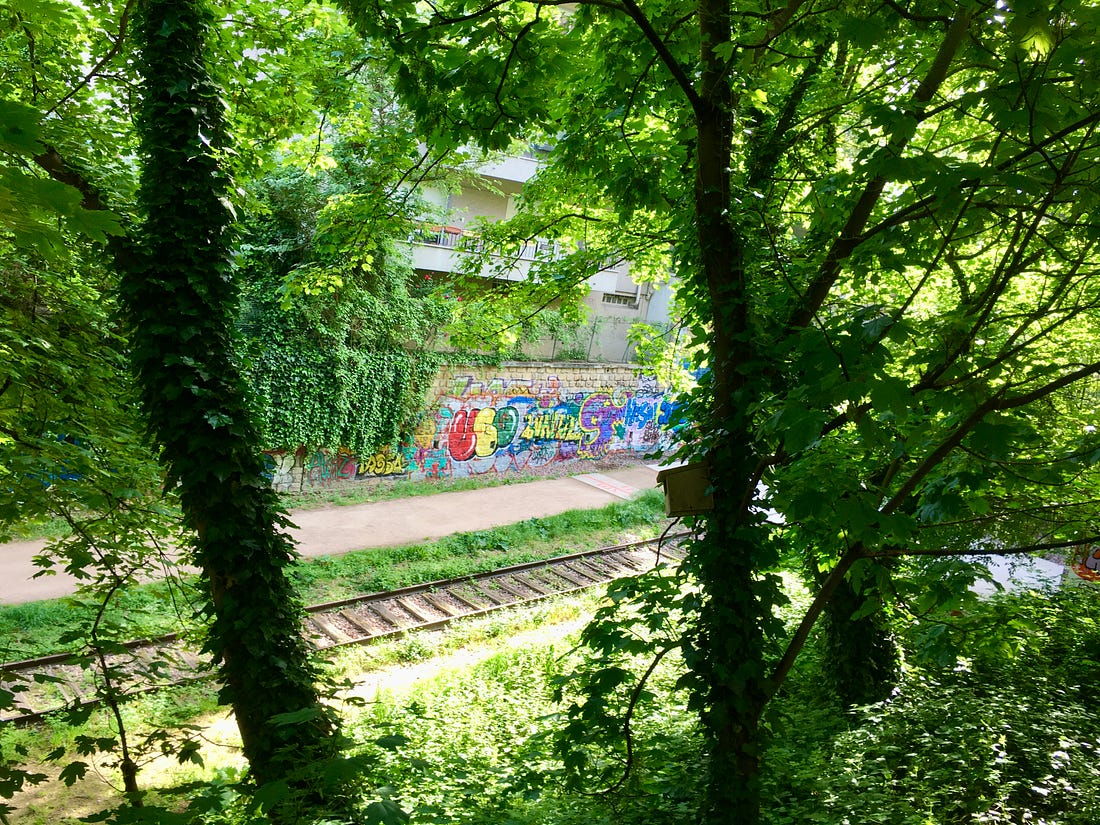
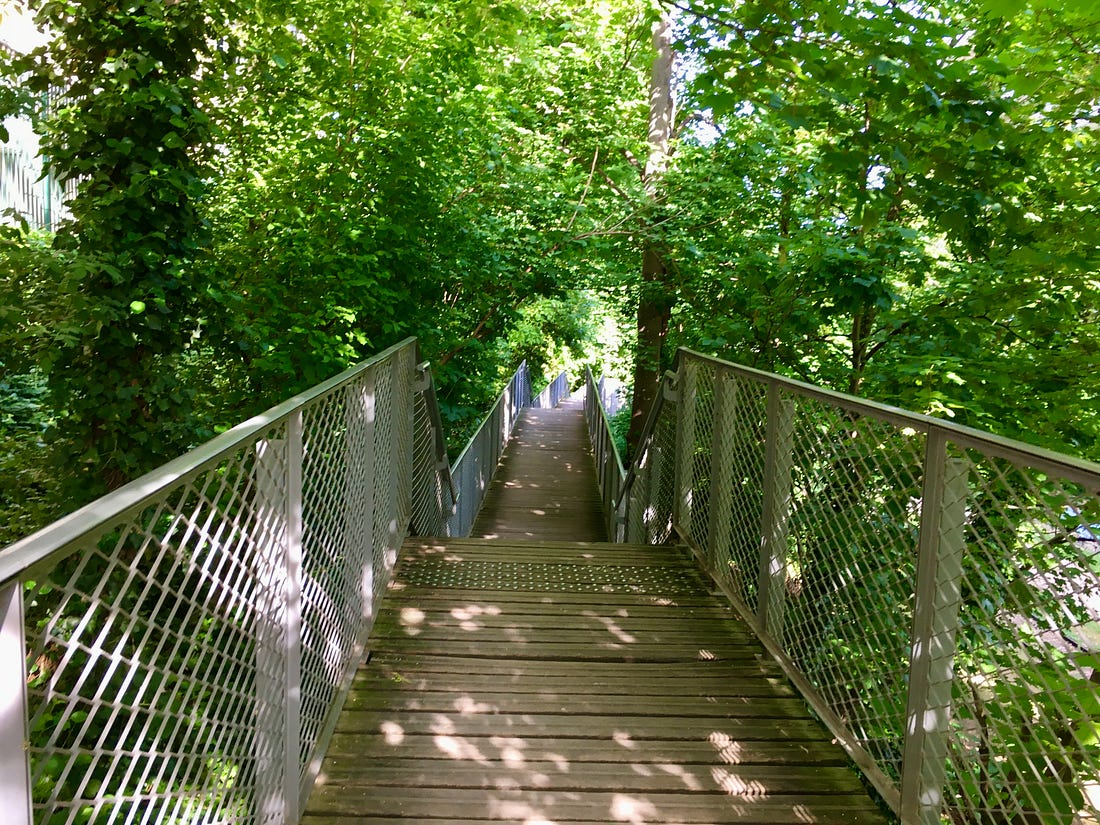
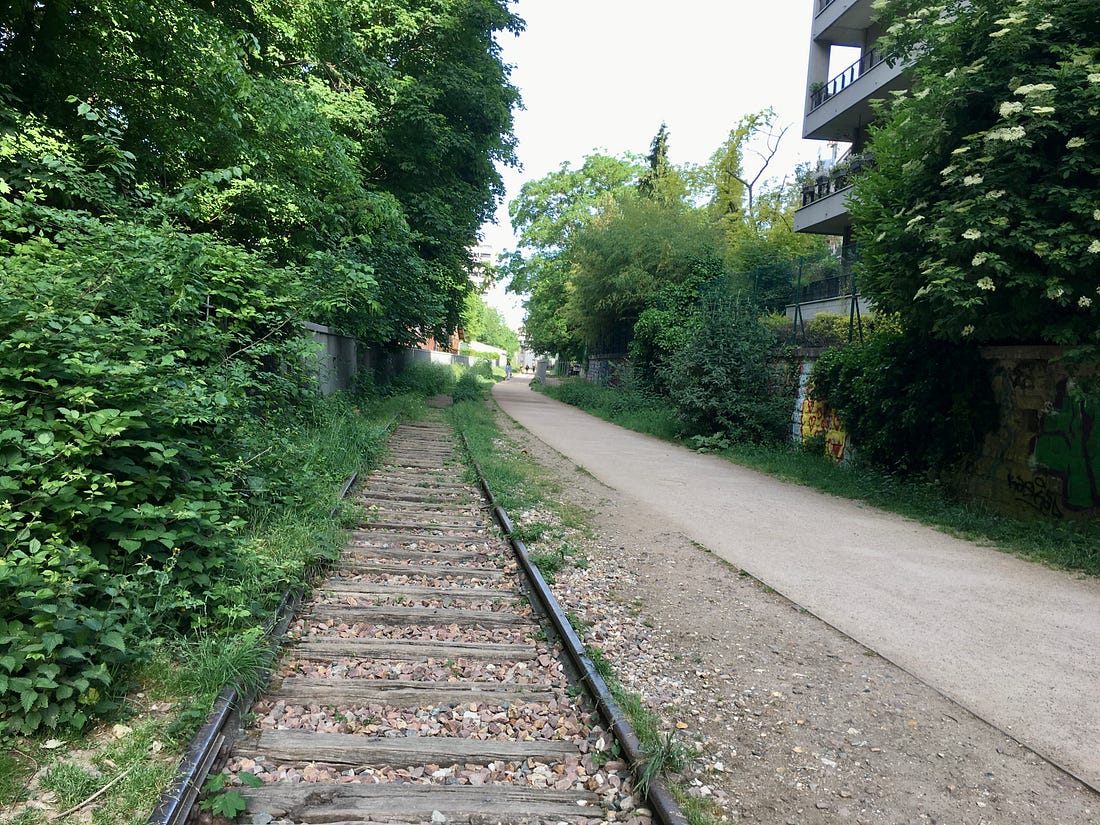
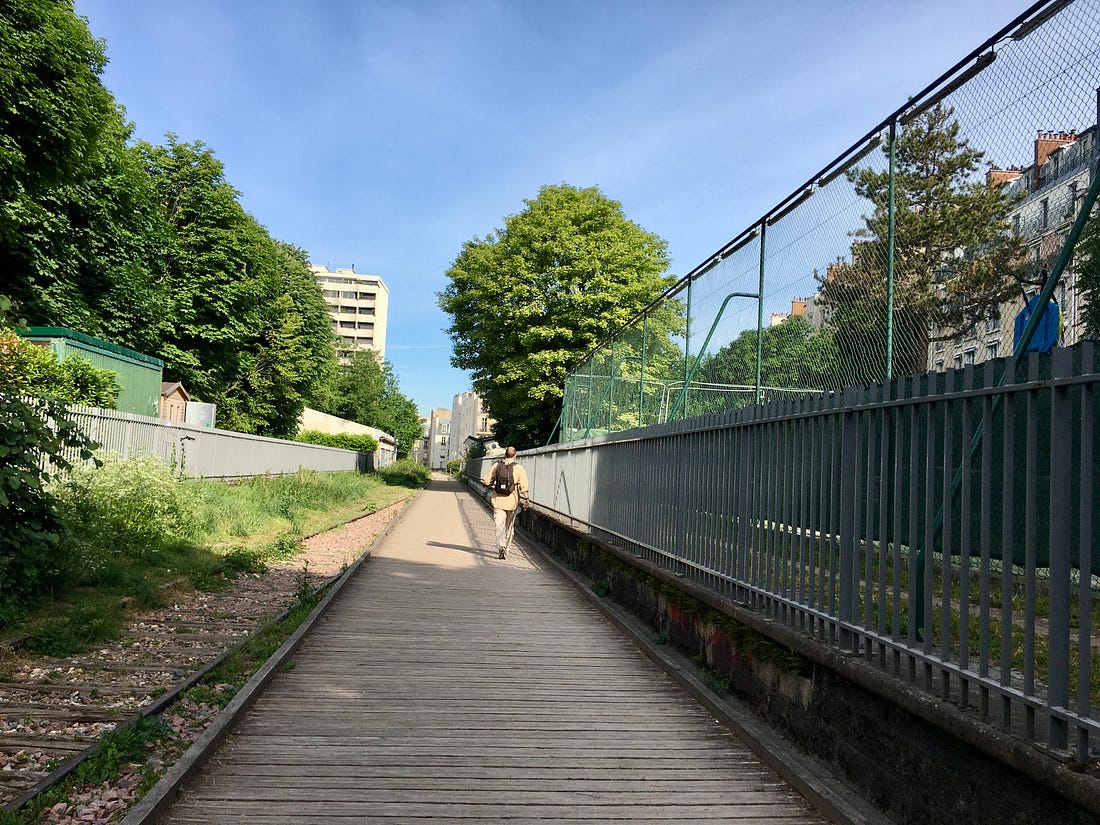
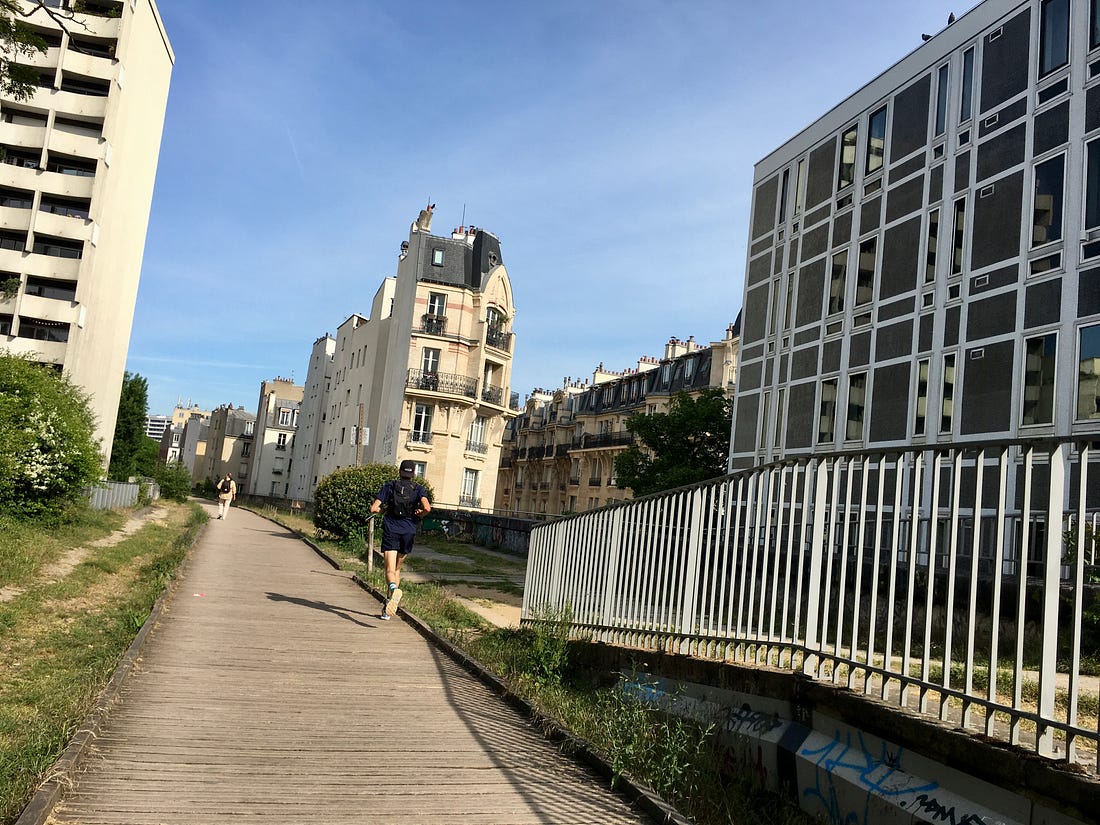
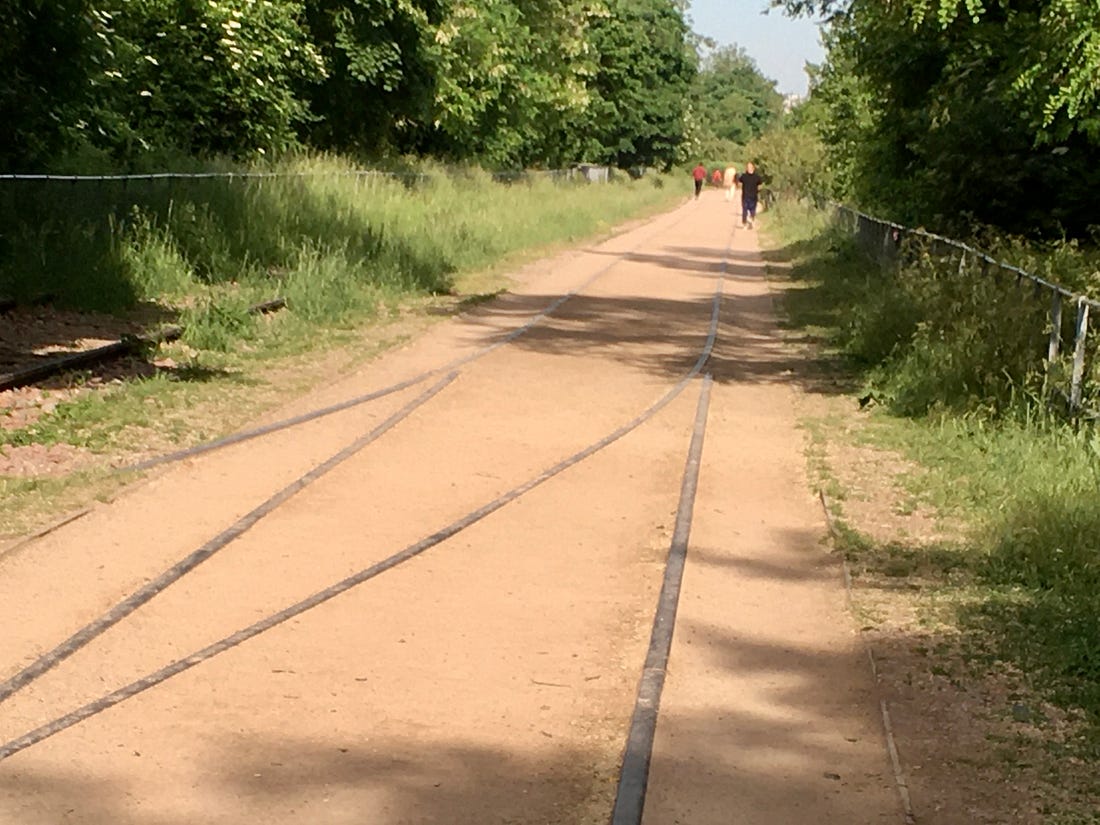
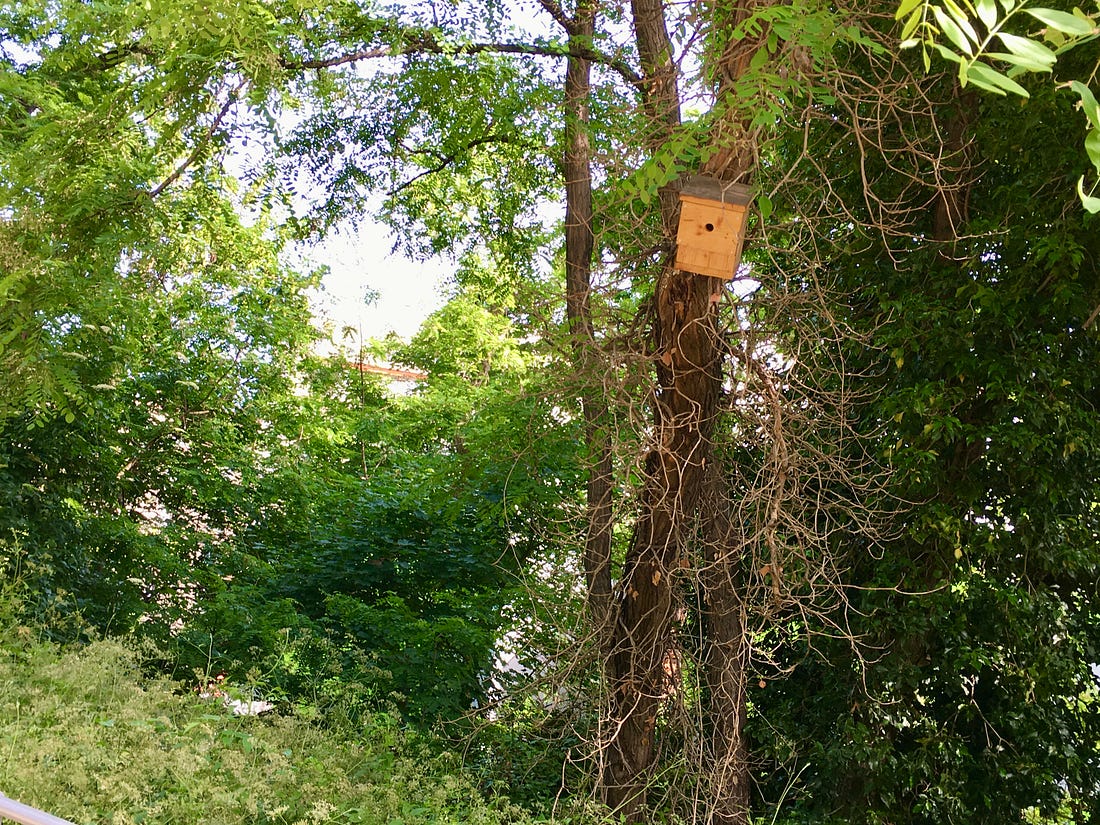
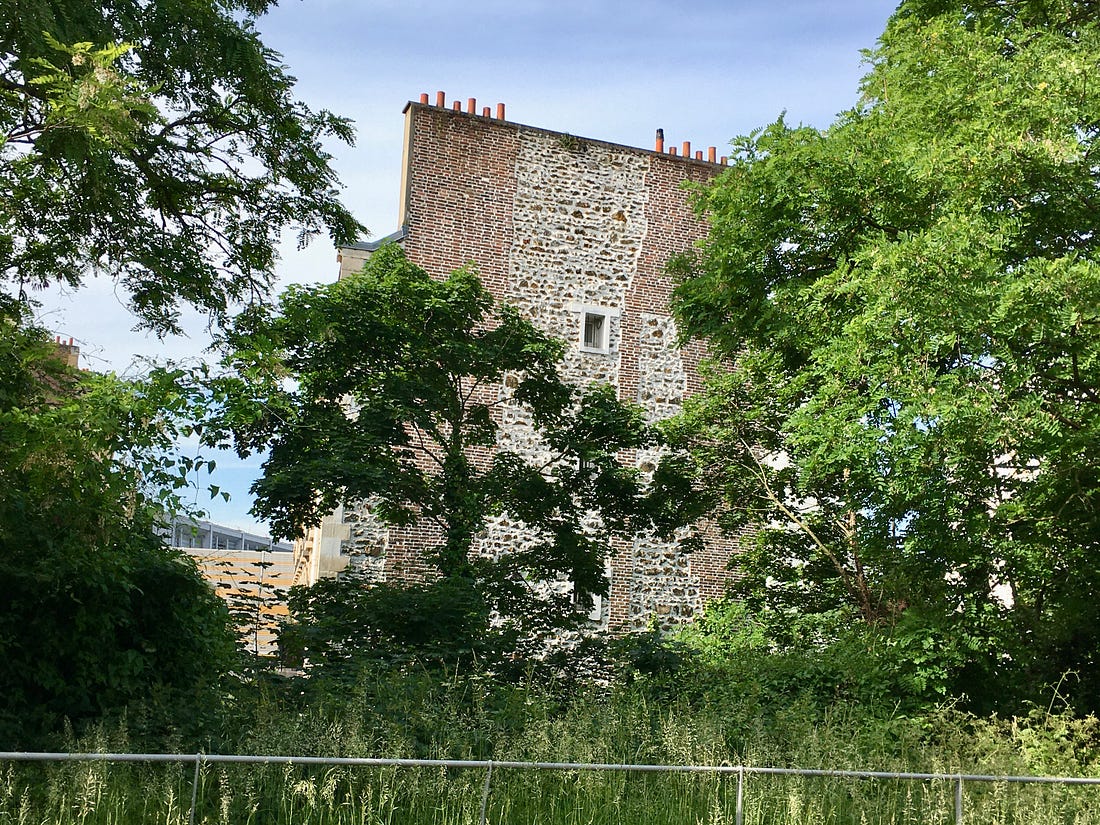
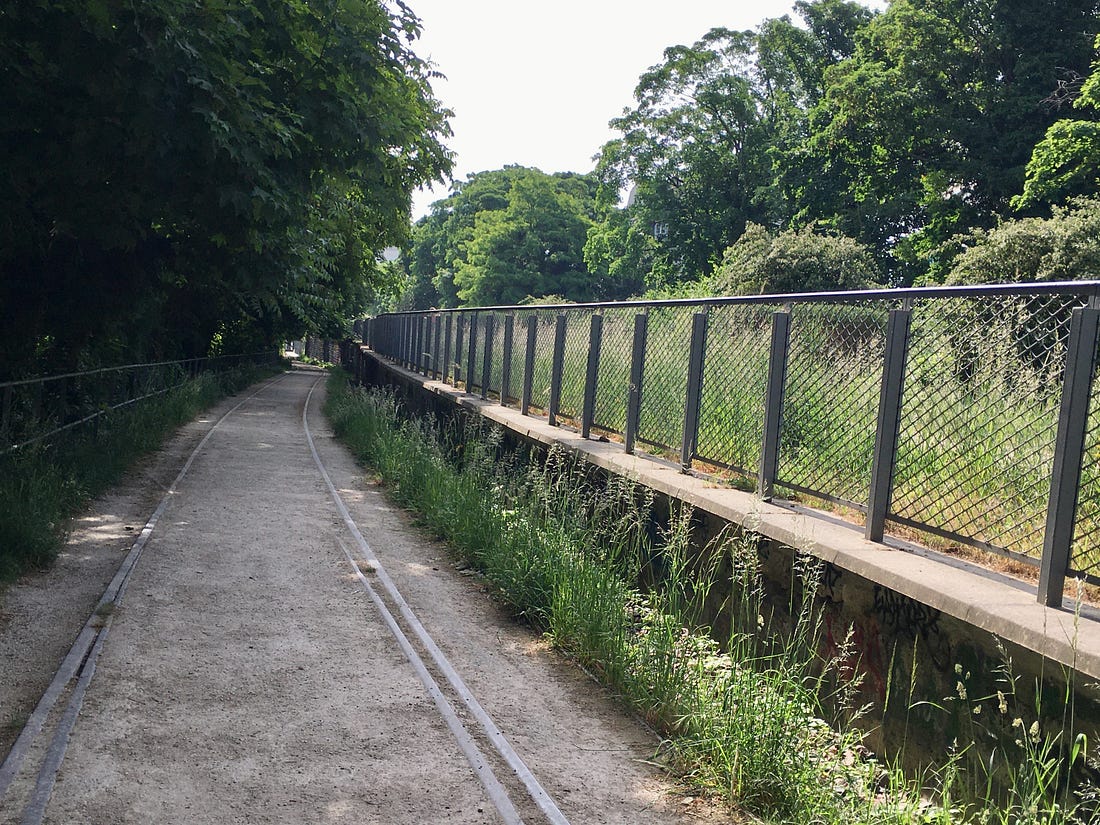
A strip of nature in the 15th arrondissement of Paris, known as the Little Belt, or Petite Ceinture– PC15, is a relic of the past that brings peace to the modern world. It is part of the old railway line that has become an ecological corridor with wild vegetation – spontaneous vegetation, the French call it. Add the spontaneous birds, insects, and animals, and it is calming. Built around the outskirts of the city of Paris during the Second Empire (1852-1869), the Little Belt is a 36-kilometre (22-mile) railway line that carried passengers until 1934, and goods until the 1980s. To provide public access to the passageway, the City of Paris preserved the railway heritage and its unique biodiversity. Part of the Little Belt is serviced by the municipality of the 15tharrondissement, while some other districts bordering the outskirts of Paris manage their own part of the old unused railway. In the 15th arrondissement, the railway previously serviced the Citroën automobile factory founded in 1919, which is now André-Citroën Park, and the Vaugirard slaughterhouse, which is now Georges Brassens Park. In 2023, the Little Belt PC15 passageway for pedestrians was built to connect Georges Brassens Park, at its entrance on Rue de Dantzig, to the Little Belt on Rue Olivier de Serre. The ultimate goal in the future is to connect André-Citroën Park and Georges Brassens Park via a promenade. The Little Belt PC15 includes diverse natural habitats, such as woodlands, meadows, wasteland, forest edges, and walled vegetation. About 220 species of plants and animals live here or are free to roam between André-Citroën Park and Georges Brassens Park. This includes 21 bird species. I looked for the endangered Spotted Flycatcher (Muscicapa striata) but it eluded me. To avoid disrupting the animals’ biological rhythms, there is no installed lighting, and the passageway is closed at night. Nor are the embankments accessible at night or during the day. The municipal maintenance aligns with the biological cycles, particularly bird nesting. Therefore, the meadow grass is mowed once or twice a year and the landscape is thinned to encourage the growth of local trees and shrubs. Tree stumps and dead wood is left on site because they are home to micro-organisms, fungi, and wood-eating insects. This helps to maintain the ecological balance of the ecosystem. 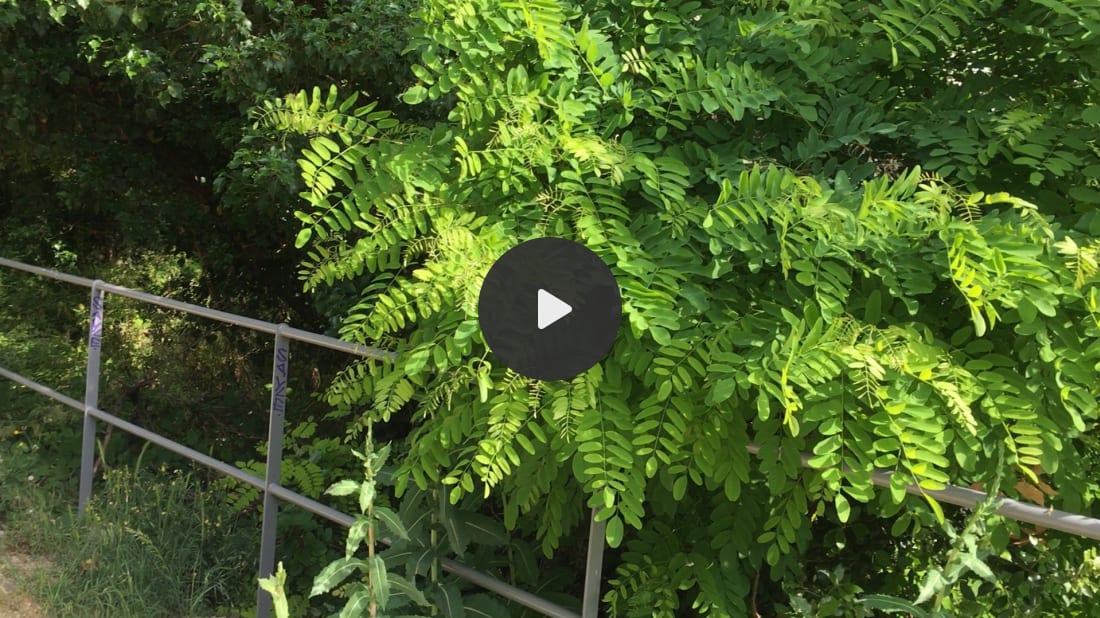 Photographer: Martina Nicolls
Can’t see the whole article? Want to view the original article? Want to view more articles? Go to Martina’s Substack: The Stories in You and Me More Paris articles are in my Paris website The Paris Residences of James Joyce Rainy Day Healing - gaining ground in life Invite your friends and earn rewardsIf you enjoy The Stories in You and Me , share it with your friends and earn rewards when they subscribe.
|
Tuesday, 13 May 2025
A Little Belt of Nature in Paris







Subscribe to:
Post Comments (Atom)

No comments:
Post a Comment