Notre-Dame Cathedral re-opens to the public on 8 December 2024Bells ring, calling the public back to Notre-Dame Cathedral after the 2019 fire …
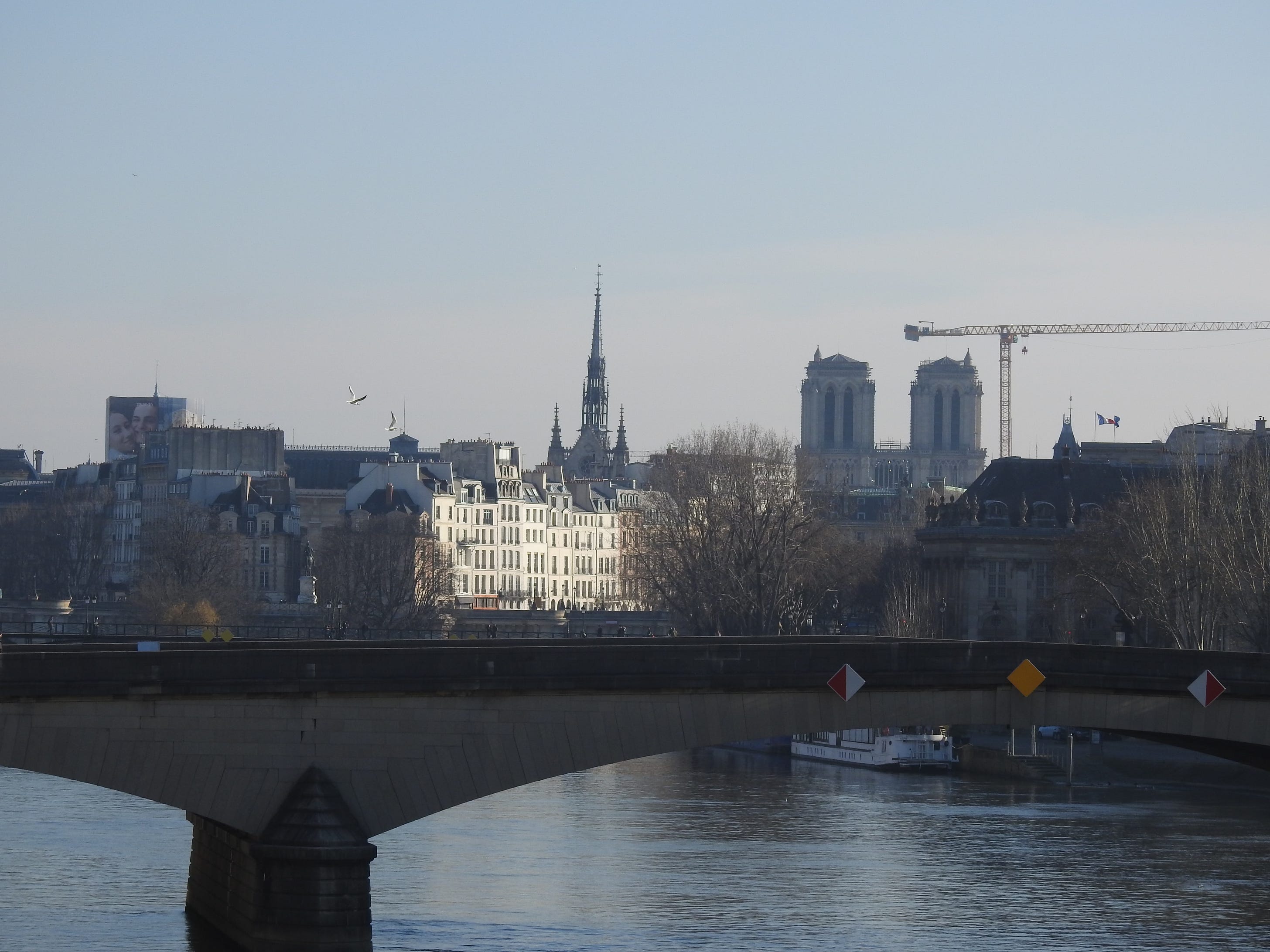
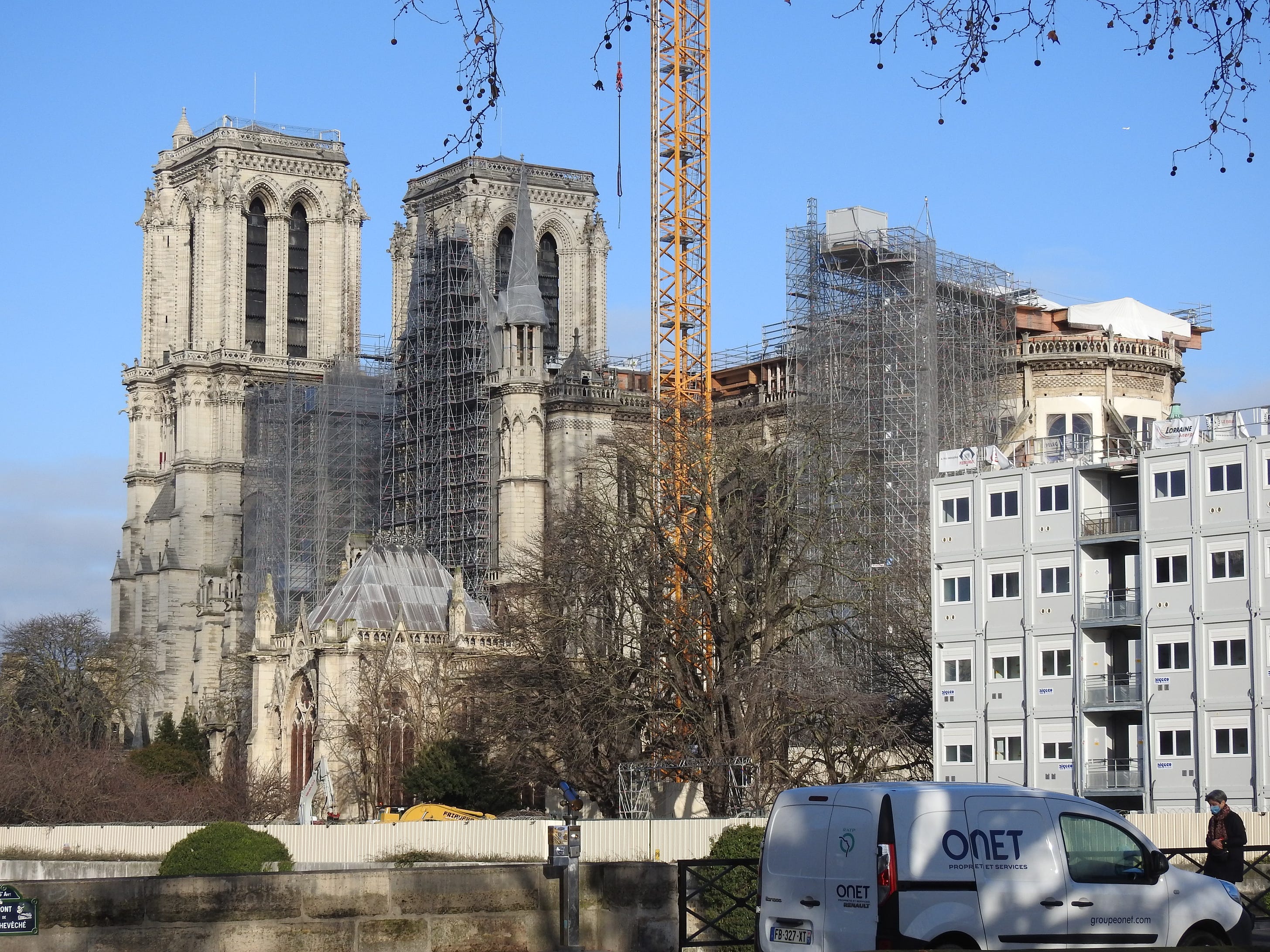
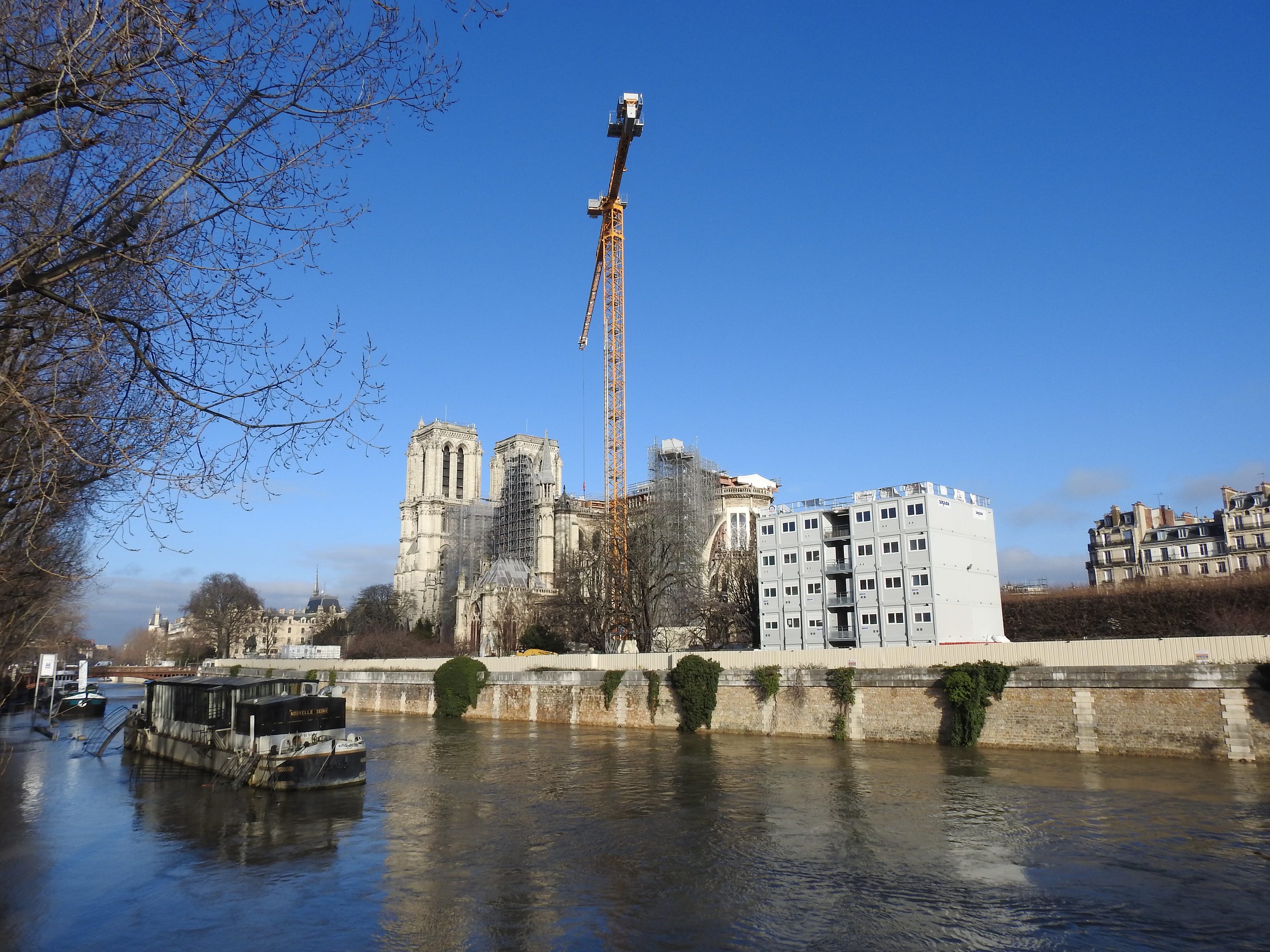
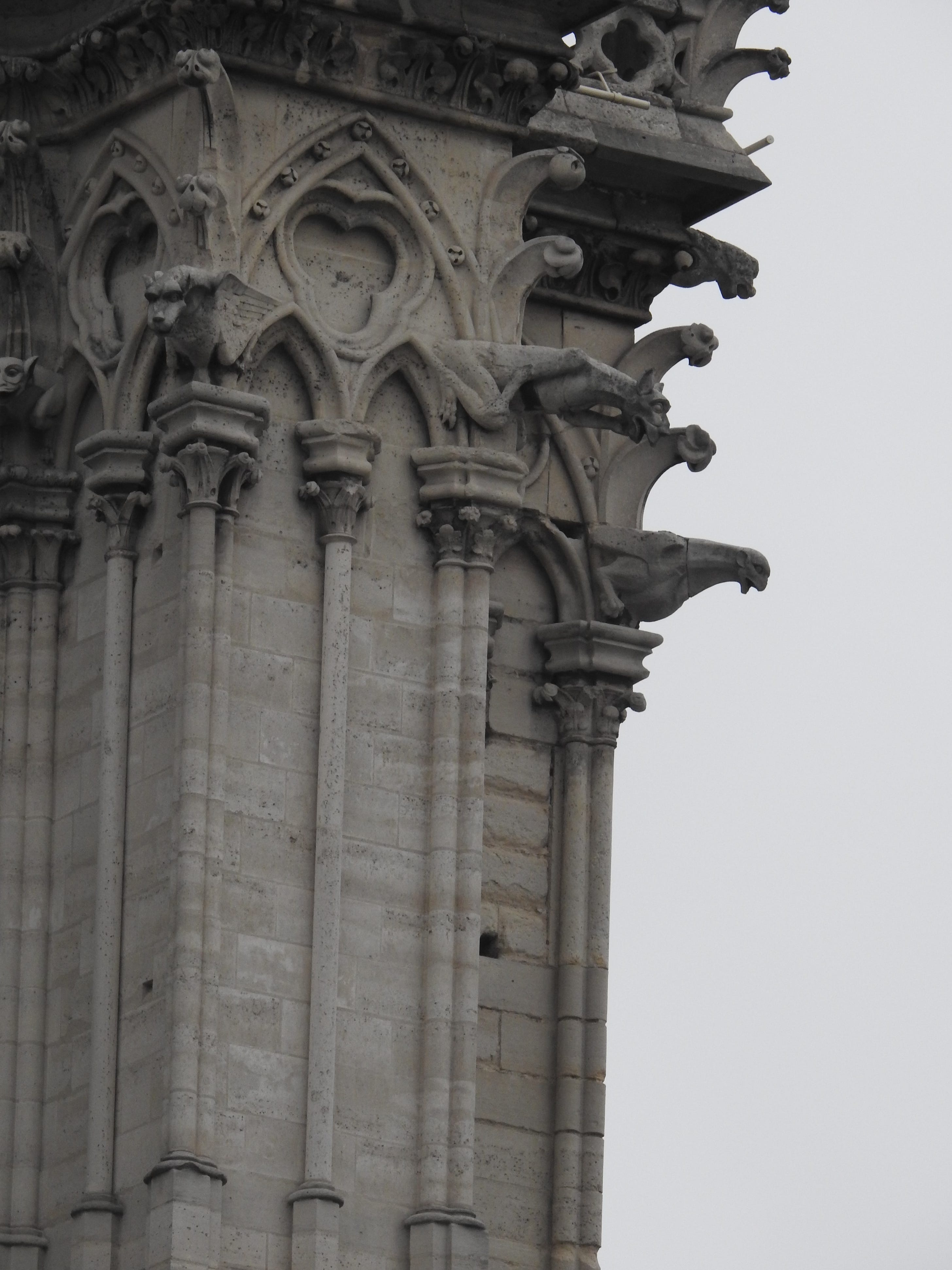
The Notre-Dame Cathedral fire on 15 April 2019 was devastating. Fire, smoke, and water extensively damaged the cathedral, the spire fell, and the roof collapsed. On 8 November 2024 the bells of Notre-Dame rang for the first time since the fire, celebrating the intention to re-open its doors and to test the sound of three new bells, including the bell used during the Paris 2024 Olympic and Paralympic Games. All eight bells chimed for five minutes starting at 10:30 am. The heaviest bell, given the name “Gabriel” weighs over four tonnes and the lightest weighs 800 kilograms. Public donations added to the government’s budget to restore the cathedral – raising 846 million euros. A law passed in July 2019 stipulated that the money collected through the national Notre-Dame renovation campaign could only be used to finance conservation and restoration work on Notre-Dame. Phase 1 involved work to prevent the shell of the building from collapsing completely to make it safe for renovators, and Phase 2 involved the renovations. Approximately 700 million euros was spent on these two phases. There is a surplus of 146 million euros which will be used for Phase 3 of renovations commencing in 2025, which was already planned before the fire. This will include restoration of the facades, the roof of the sacristy, the flying buttresses, and the choir. Therefore, the cathedral’s façade will be covered in scaffolding for 2-3 years during the renovations, until about 2027. After five years of restoration, Notre-Dame Cathedral re-opens to the public on 8 December 2024. Before the fire, the cathedral welcomed about 12 million visitors annually. This figure is expected to rise to 14-15 million. The French culture minister Rachida Dati suggested charging a small (maybe 5 euro) entrance fee to raise further funds to preserve the cathedral’s heritage and add to the restoration coffers of other heritage religious institutions across France. France has about 42,000 Catholic churches (60 of them are communual cathedrals), of which 8,000 have been restored since 2019. The Notre-Dame visitor fee would be for cultural visits only (people attending mass or other services will not be charged a fee – it will remain free). Before the fire, visitors paid 8.50 euros to climb the 387 steps to access the panoramic view of Paris and to have a close-up view of the cathedral’s famous gargoyles. The Notre-Dame Cathedral in the 4th arrondissement of Paris is centrally located on the Island of the City and looms large next to the river Seine. Because of its long history of construction from 1163 to 1345, followed by ongoing renovations, with many supervising architects, the architectural style varies from primitive Gothic to radiant Gothic. Gothic nonetheless. The current renovations (2019-2024) replicated the cathedral before the fire, deploying hundreds of artisans across France. French author Victor Hugo (1802-1885), noted for his novels The Hunchback of Notre Dame(1831) and Les Miserables (1862), lived in Paris from 1832 at the age of thirty to 1851 before his exile to the island of Guernsey. The fictional hunchback of Victor Hugo’s novel, Quasimodo, found sanctuary in the Notre-Dame Cathedral and loved the gargoyles and the panoramic view of Paris. The public thought that the deformed Quasimodo was a monster and a mob rampaged the cathedral. Soldiers repelled the mob and Quasimodo was saved, but the love of his life, Esmeralda, had a tragic fate. Quasimodo left Notre-Dame, never to return. Photographer: Martina Nicolls Can’t see the whole article? Want to view the original article? Want to view more articles? Go to Martina’s Substack: The Stories in You and Me More Paris articles are in my Paris website The Paris Residences of James Joyce
Invite your friends and earn rewardsIf you enjoy The Stories in You and Me , share it with your friends and earn rewards when they subscribe.
|
Tuesday, 3 December 2024
Notre-Dame Cathedral re-opens to the public on 8 December 2024







Sunday, 1 December 2024
Visible legacy of the Paris 2024 Olympics – see it, feel it, touch it
Visible legacy of the Paris 2024 Olympics – see it, feel it, touch itParis was a party during the Paris 2024 Games – now, after the party …
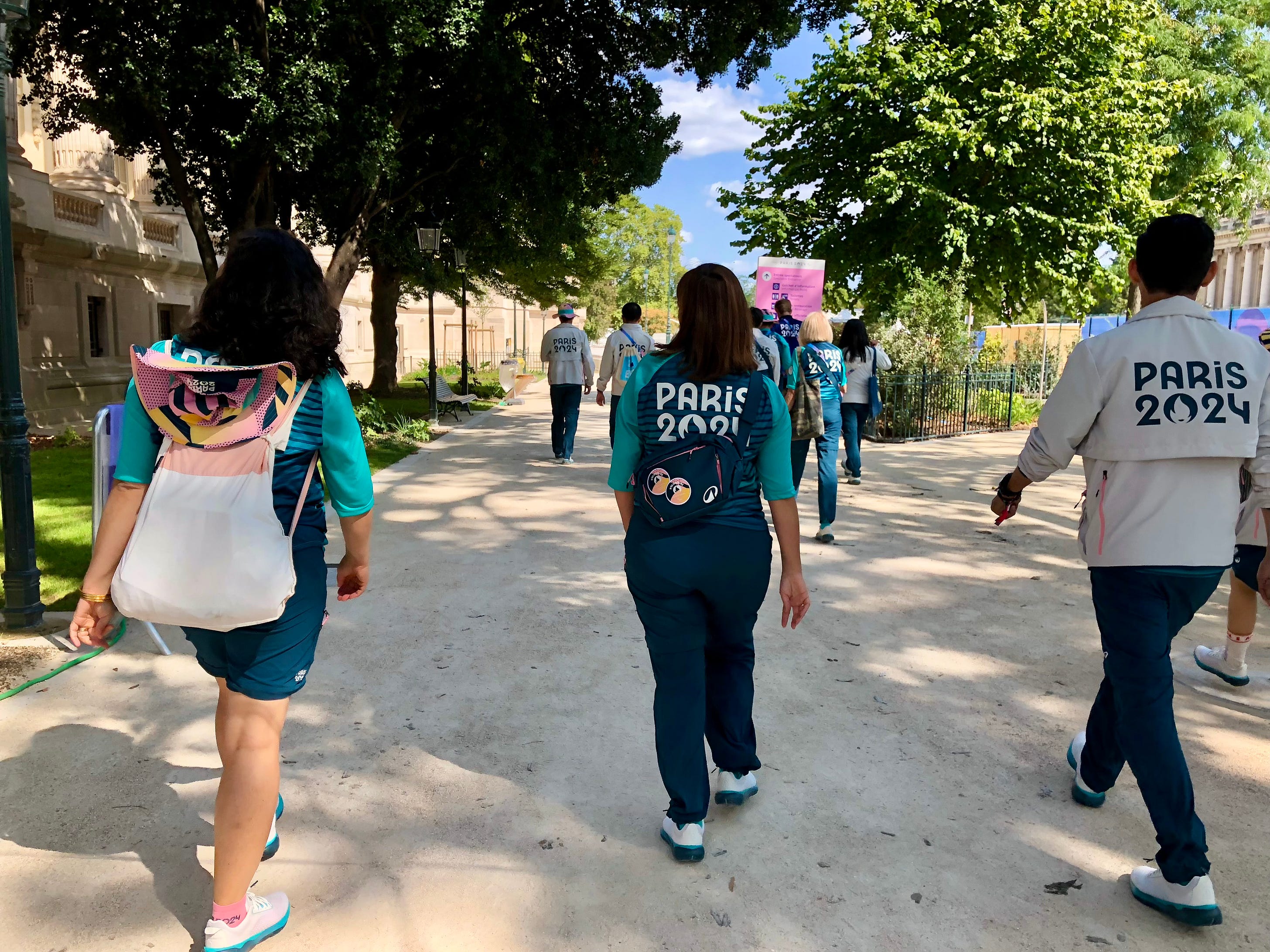
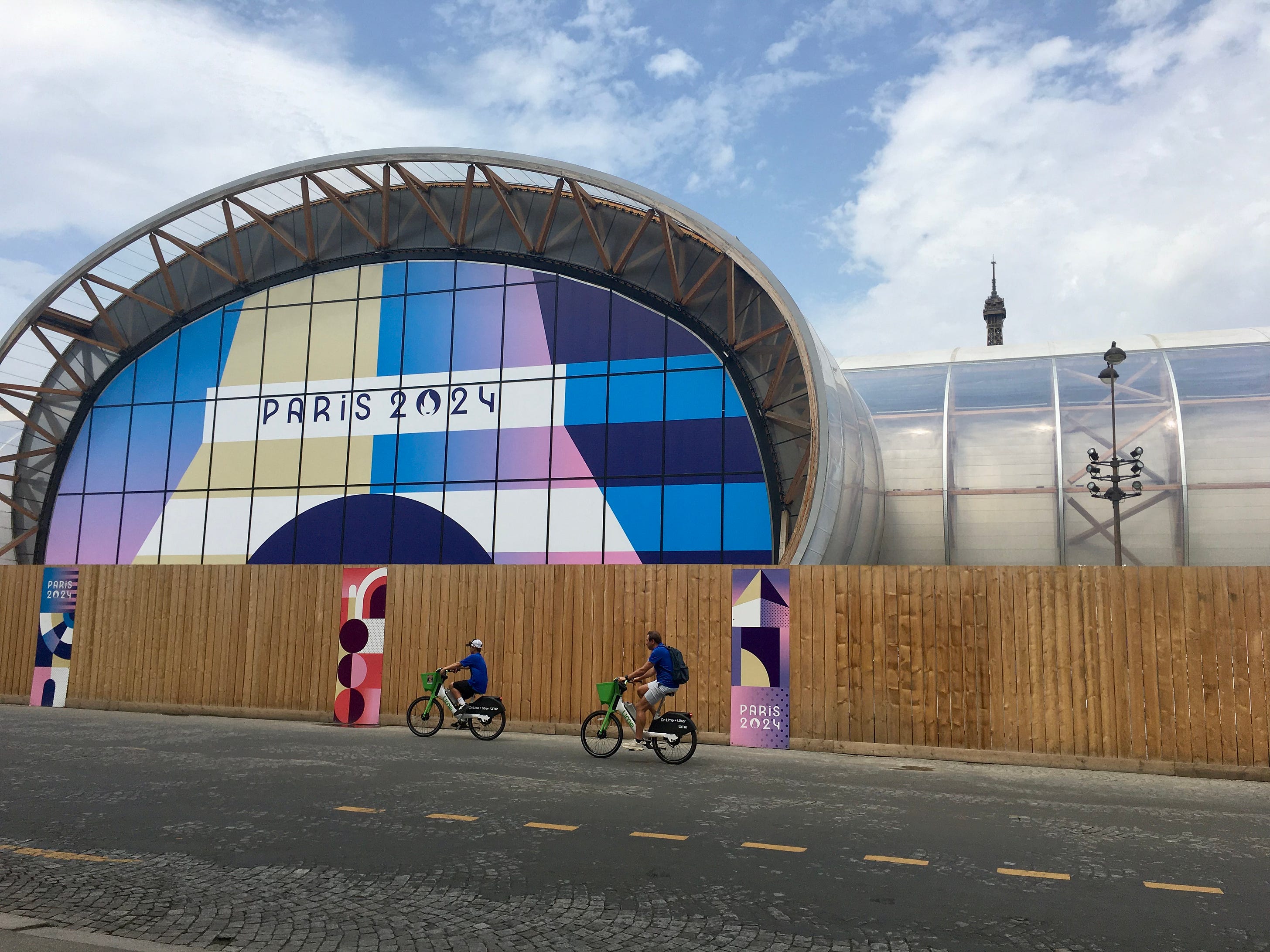
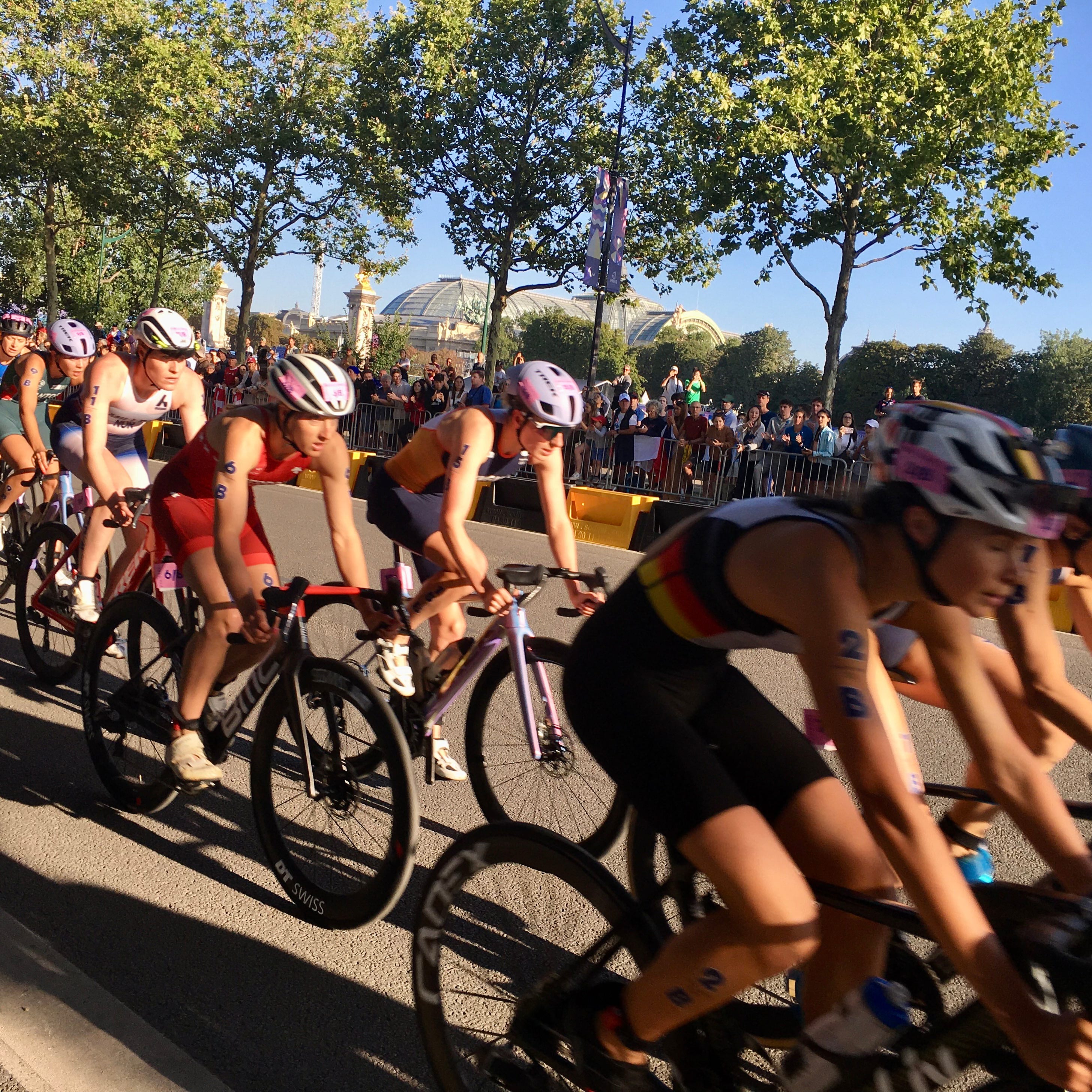
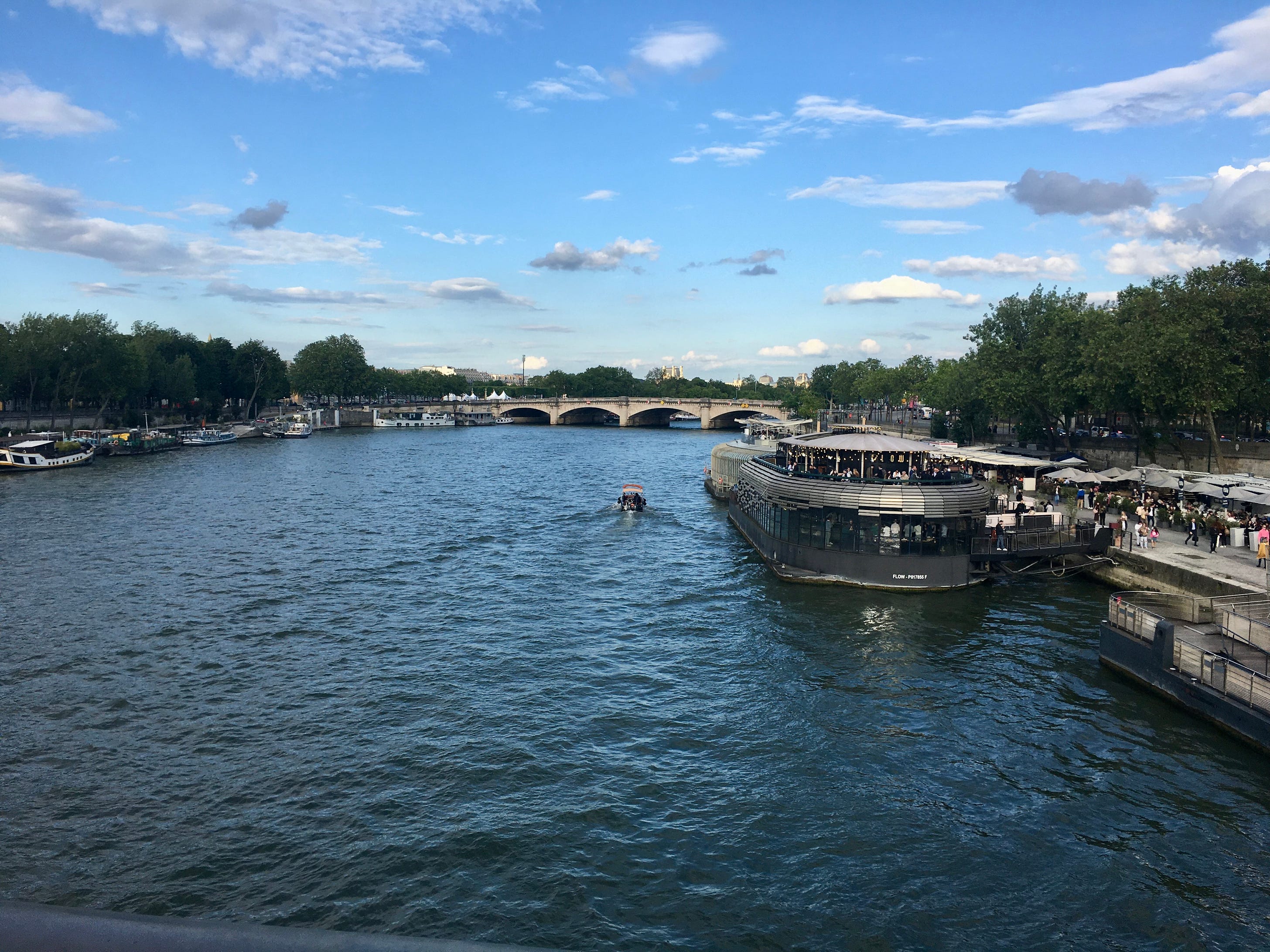
Paris was a party. The Paris 2024 Olympic and Paralympic Games are gone but not forgotten. Paris mayor Anne Hidalgo, expressing gratitude to the people of Paris, said, “Thanks to the Games, we have found the joy in being together.” The feeling of togetherness will linger awhile, but its legacies are physical, visible, and tangible all over the 20 arrondissements (districts) of Paris and beyond. Sport for Everyone By the end of 2024, there will be 3,000 new inclusive clubs with better access to sporting activities for people with disabilities and the promotion of para-sport in Paris – adapted cycling, para-swimming, para-archery, and para-athletics. The French government has also declared the promotion of physical and sporting activity a national cause with the introduction of 30 minutes of daily physical activity for 4.5 million primary school children. Free supervised Sports Sundays and the Paris Sport Seniors program were introduced for the public to use sporting equipment on Sunday mornings, including for people over the age of 55. A new venue – the Adidas Arena – was built for the Paris 2024 Games in the north of Paris to accommodate 8,000 spectators – which is now the home of the district Paris basketball club and two gymnasiums for residents – and five sporting facilities benefitted from energy-efficient building renovations around Paris – a stadium, a boxing hall, two sport centers, and a swimming pool. Additionally, 34 basketball courts, 5 handball courts, 3 urban tennis courts, and 2 football fields were renovated for the Paris 2024 Olympic and Paralympic Games. Water Every summer in the future, the public will be able to enjoy three safe supervised swimming spots in the river Seine, delineated by buoys and a pontoon with spaces for changing, showering, and storing belongings on the quays. To achieve this, Paris established 2 water treatment plants with systems to decontaminate water discharged into the natural environment and increased the riverside vegetation so that rainwater flows into the ground and is not wasted. Improved water quality means restored biodiversity. In the 1970s, there were only two identified species of fish in the river. Now there are 34 different recorded species of fish in the Seine – trout, eels, lampreys, and shad. Drinking water during the heat wave of the summer 2024 Olympics was more accessible to more people. Paris installed 1,200 drinking water points in parks, gardens, cemeteries, and public streets; 123 new two-in-one fountains (drinking and misting); and 50 iconic green Wallace drinking fountains. The Paris 2024 Games also marked the end of single-use plastic for approximately 50 road races held each year in Paris (in which more than a million bottles of water are consumed per year during the races). From 1 September 2024, event suppliers will be provided exclusively with reusable cups or reusable water bottles. Public Spaces More cycle paths, pedestrian promenades, and greenery are in place due to the Paris 2024 Games. A total of 60 kilometres of cycle paths were created with 10,000 temporary bicycle racks installed near the Olympic sites. These bike racks have been redistributed to sport centres, schools, and municipal facilities. A total of 1,750 bus stops were established, making 59 bus lines accessible for people with reduced mobility as well as the elderly or people with baby strollers. The greening of the Avenue des Champs-Élysées has already begun. A green promenade will extend from the Louvre to the Chaillot hill with trees, lawns, and flowerbeds. The Olympic and Paralympic village is preparing to become an environmental area of the city for residents of Seine-Saint-Denis from 2025, with schools and colleges, shops, offices, parks, and gardens. About 2,800 new homes will become available with 94% generated by deconstruction recycled and recovered materials. Almost 40% of the new homes will be dedicated to social housing. In addition, 8,000 trees have already been planted. Culture Gold medalists rang the Olympic bell in the France Stadium. This Olympic bell will be installed in one of the renovated towers of the Notre-Dame Cathedral. Twenty-four artworks (murals, sculptures, canvases, textiles, frescoes, etc.), created by artists and students in Paris’s applied arts schools as part of the Ex-Aequo project for the Games, will be exhibited in 24 sporting facilities in the capital. Honoured during the opening ceremony of the Paris 2024 Games, the statues of the ten golden women will take their permanent place in the north of the capital. And the Olympic dream continues: the iconic Olympic rings will remain on the Eiffel Tower until the opening of the Los Angeles 2028 Olympic Games. The Olympic party in Paris is over, but the legacy of the Paris 2024 Games continues … The full article is available on my Paris website here. Photographer: Martina Nicolls Can’t see the whole article? Want to view the original article? Want to view more articles? Go to Martina’s Substack: The Stories in You and Me
You're currently a free subscriber to The Stories in You and Me . For the full experience, upgrade your subscription.
|

-
petrini1 posted: " For Week 7, the theme of genealogist Amy Johnson Crow...
-
A fall, a faceplant, and getting back up again … ͏ ͏ ͏ ͏ ͏ ͏ ͏ ͏ ͏ ͏ ͏ ͏ ͏ ...
-
The power pose of personal peace - with psychological benefits ... ͏ ͏ ͏ ͏ ͏ ͏ ͏ ͏ ͏ ͏ ͏ ...


