Victor Hugo’s passion for home décor mirrors his literary creativity… French author and interior designer – Paris exhibition …
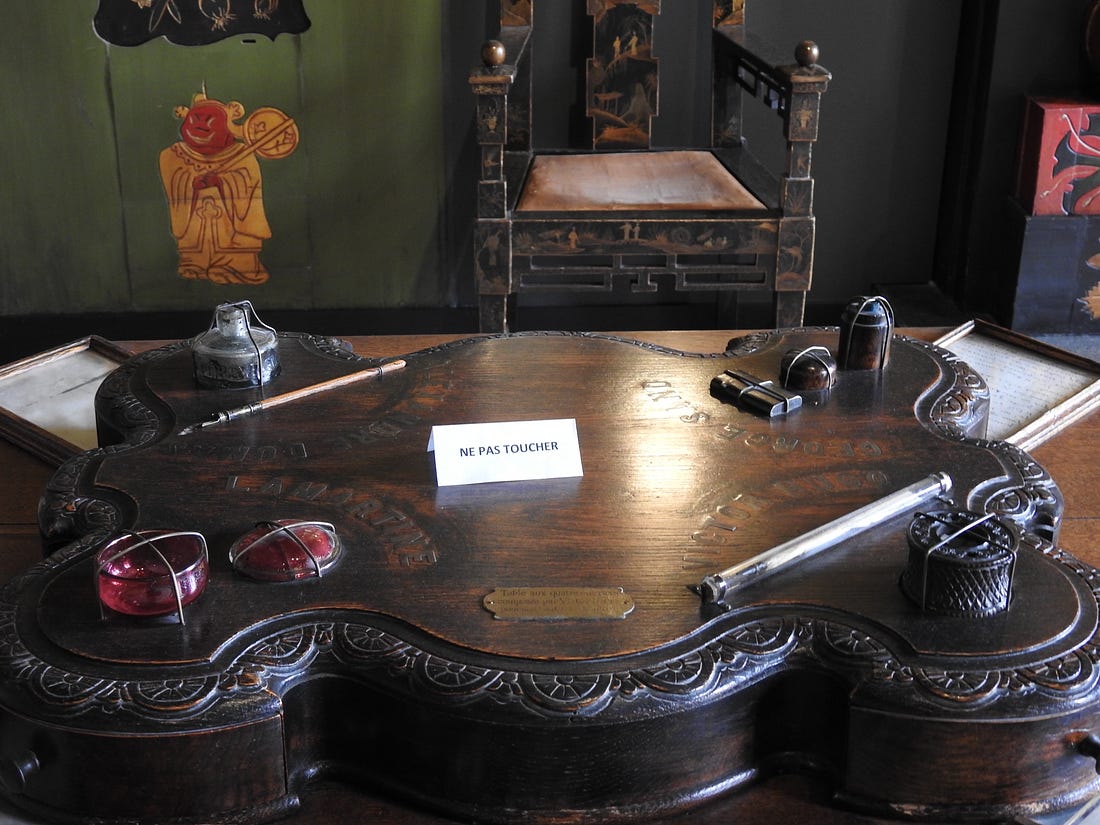
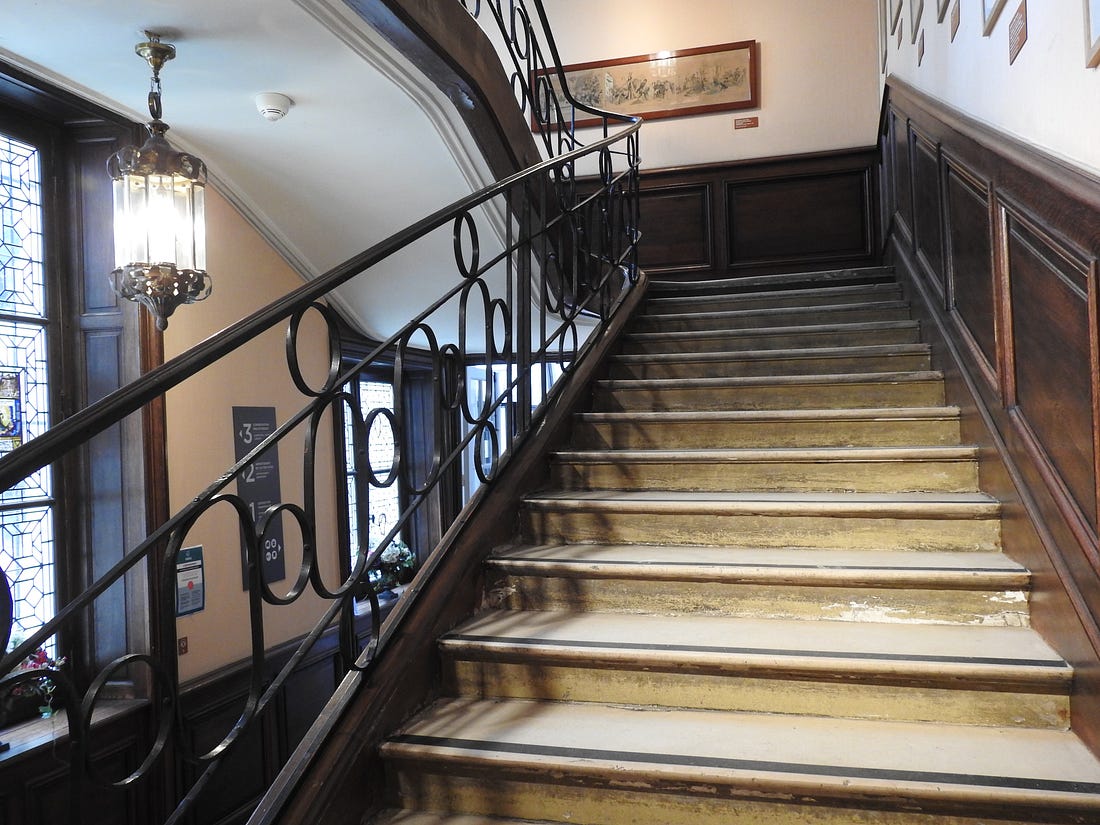
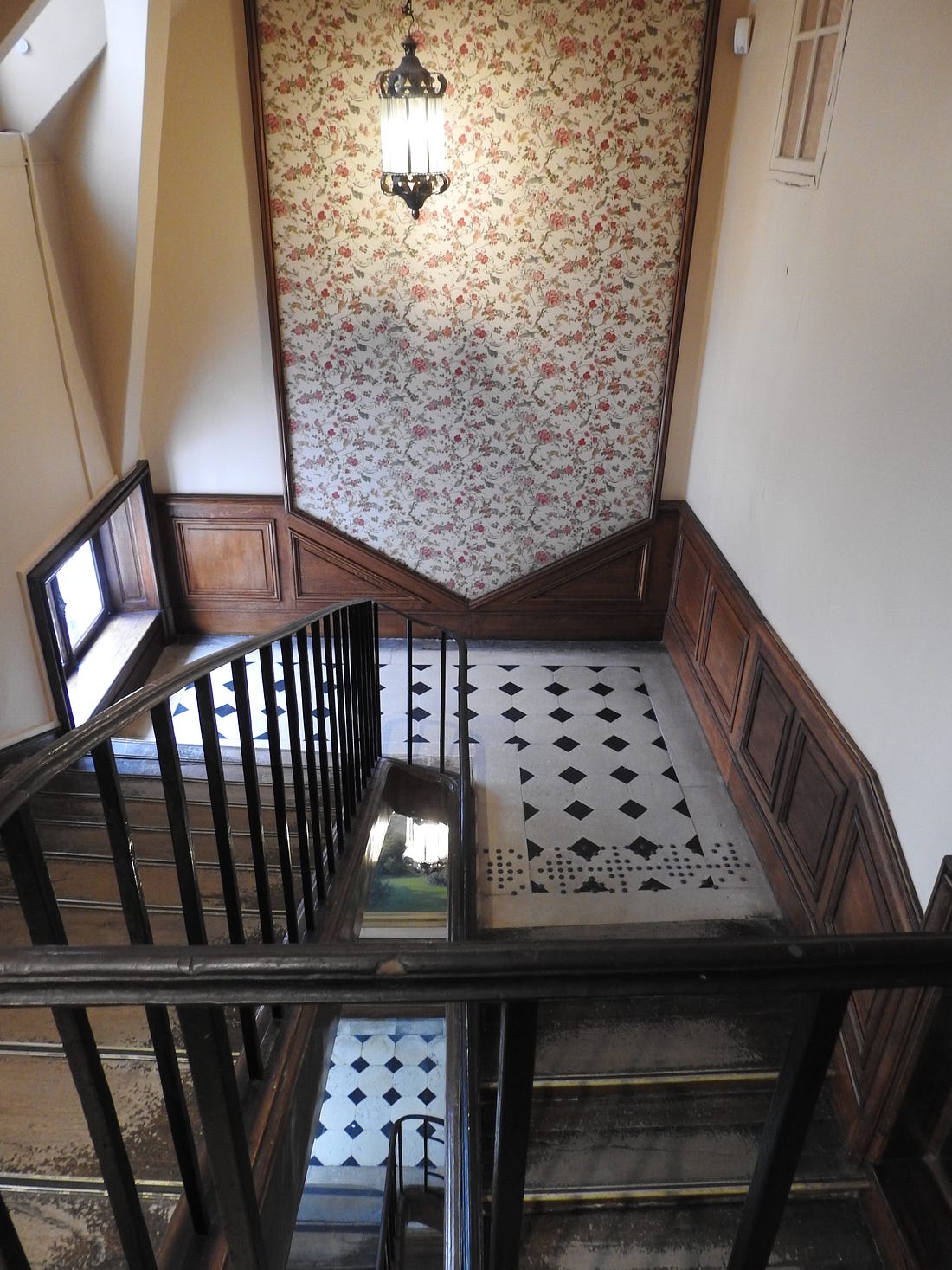
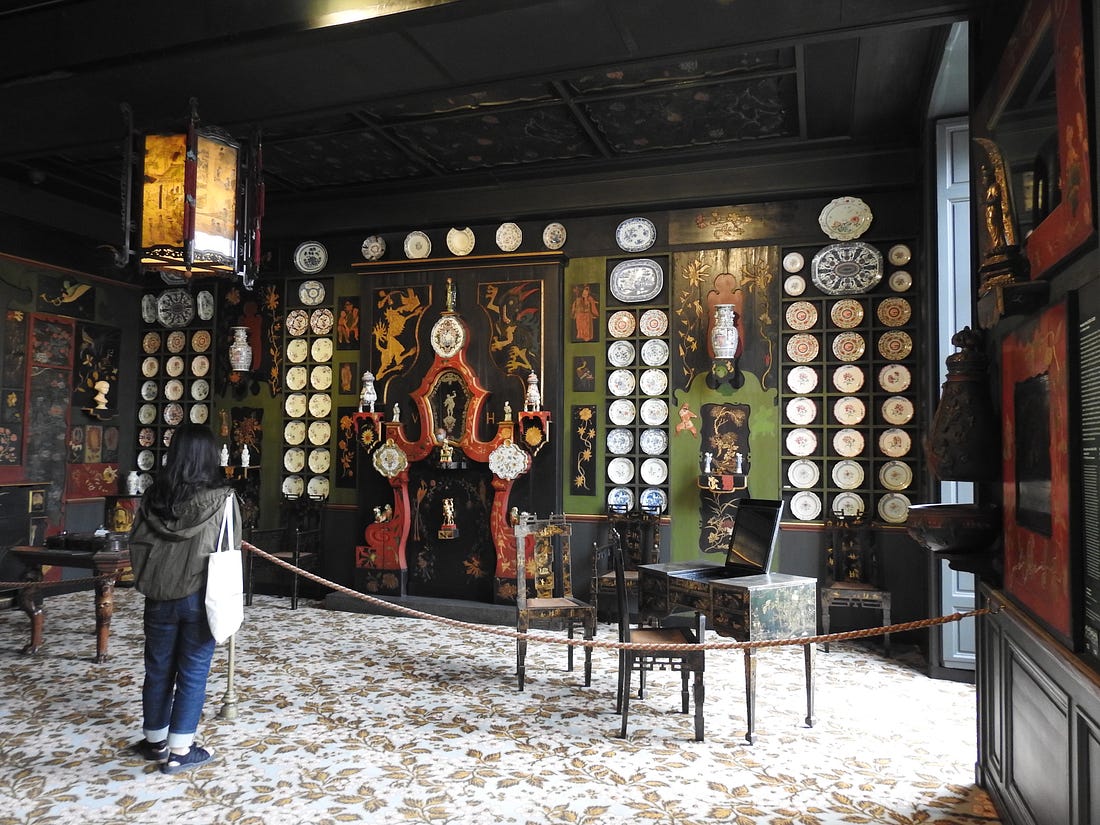
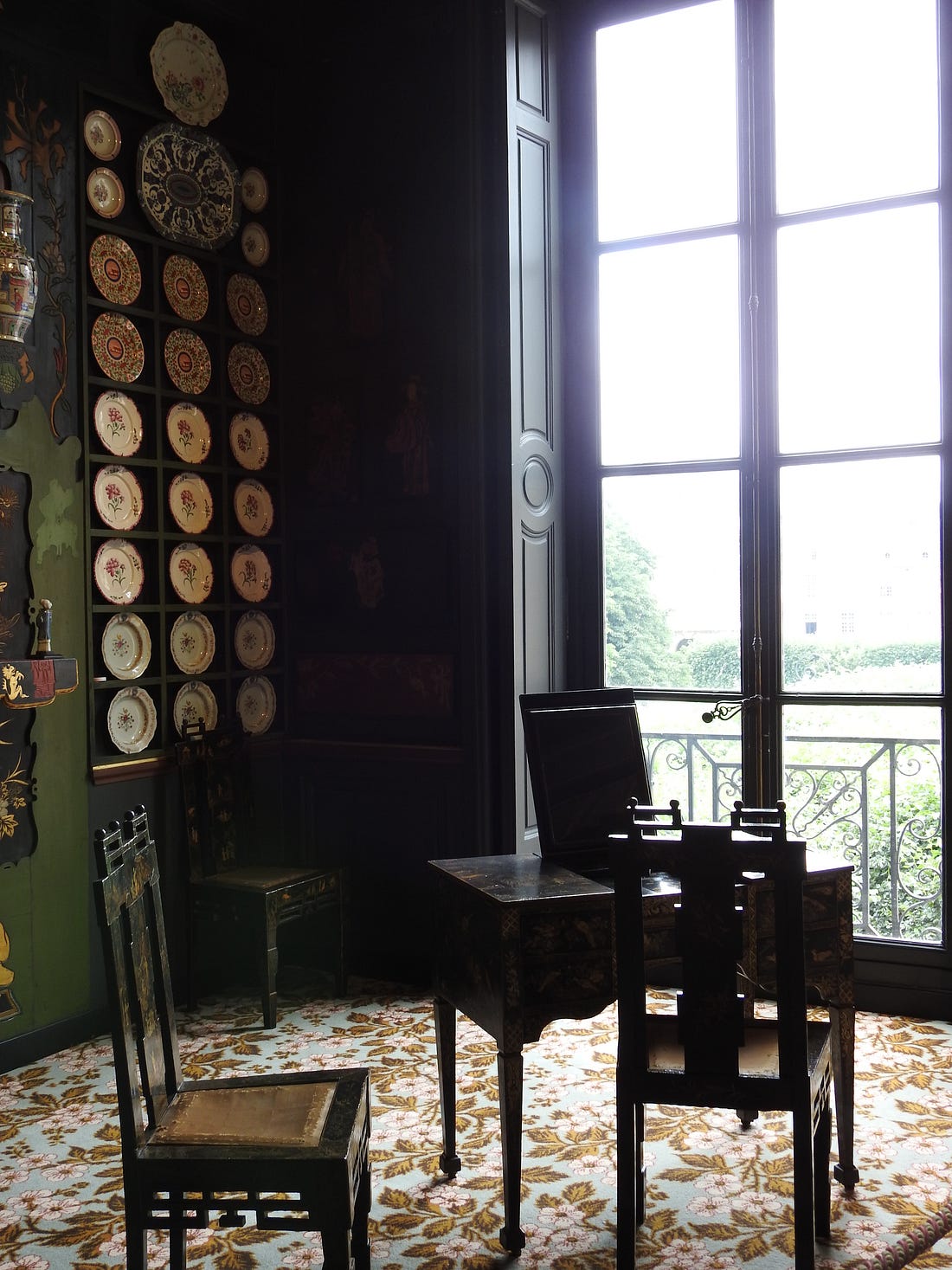
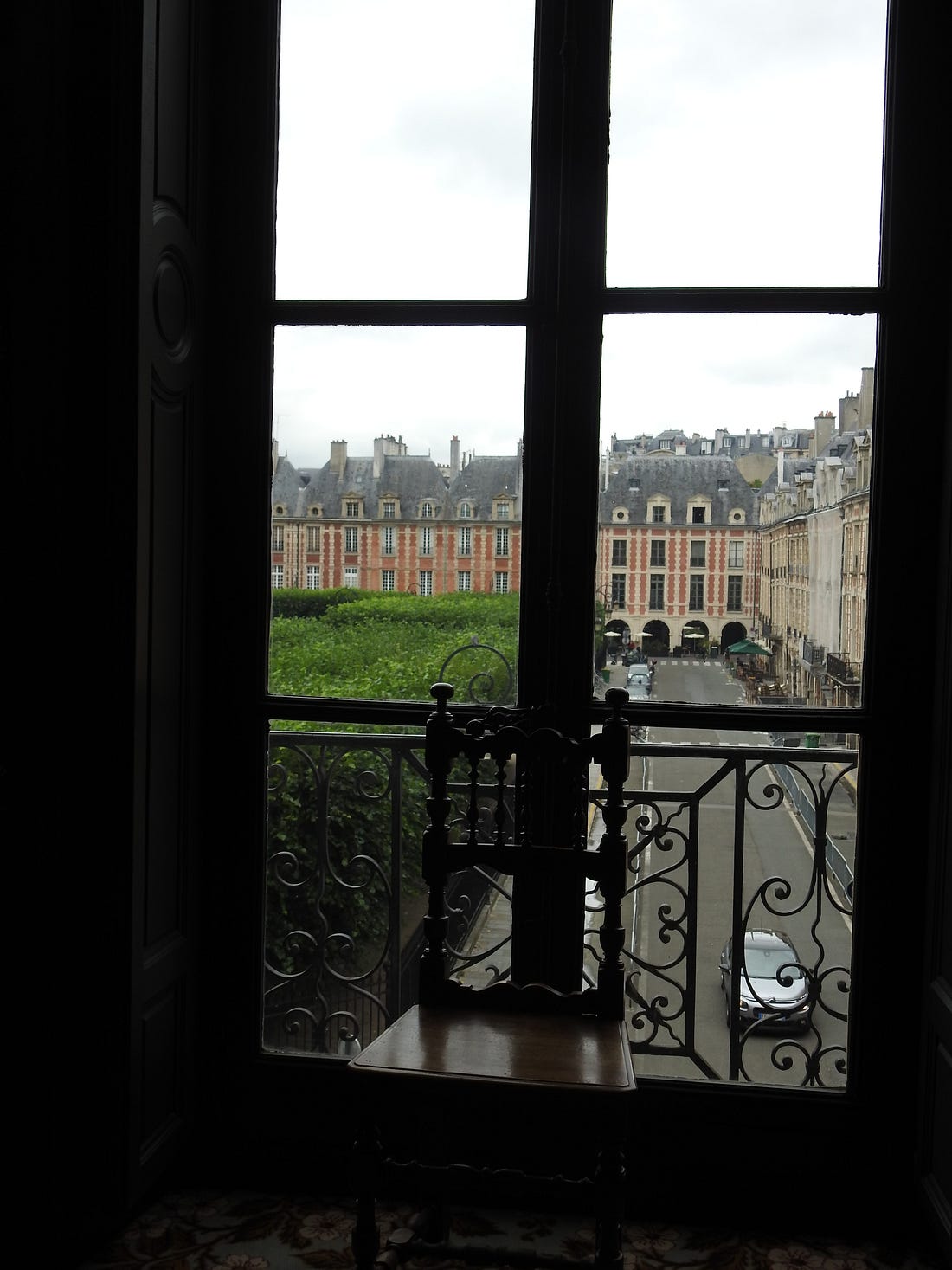
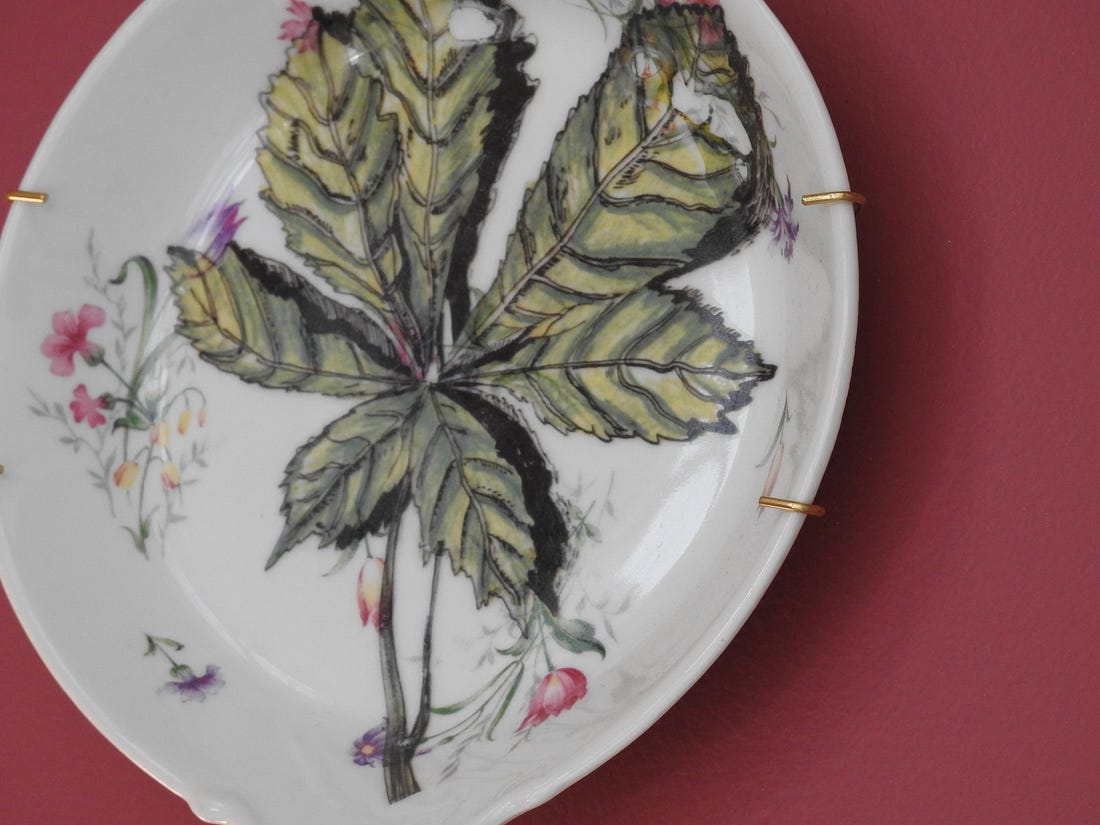
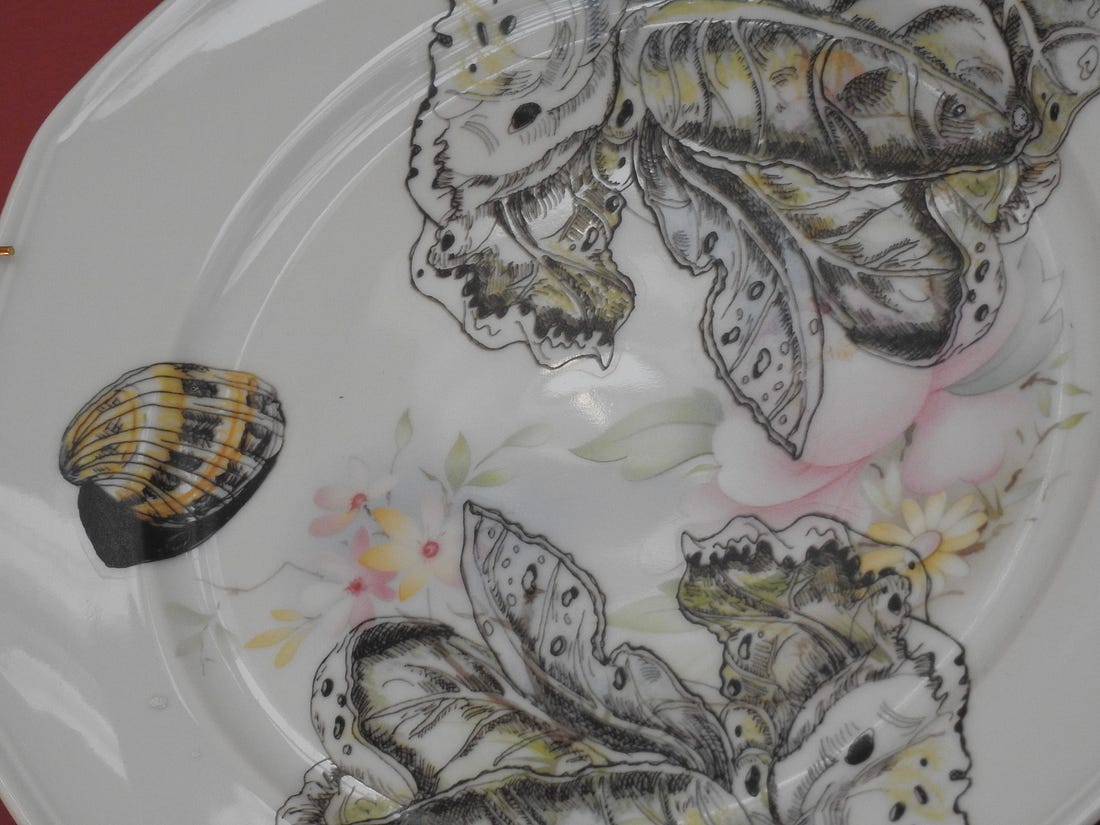
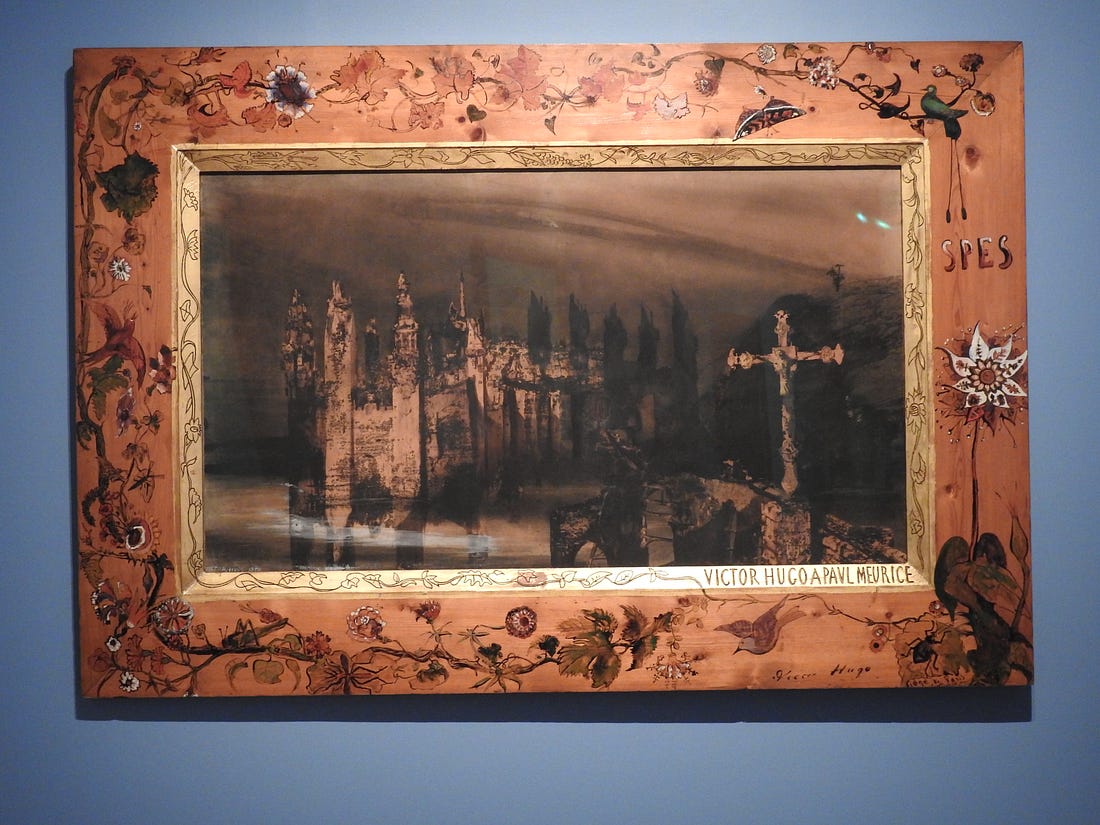
French author Victor Hugo, known for his novels Les Miserables and The Hunchback of Notre-Dame, had a lesser-known creative talent – decorator and interior designer. An exhibition, “Hugo décorateur”, in his house-museum in Paris, reveals his passion for home décor, from hand-painted furniture and engraved wall panels to entire rooms designed and assembled by Hugo himself. The exhibition unfolds across two floors of Hugo’s own Parisian home, showcasing his drawings and sketches, furniture and wall panels, the Chinese Salon inspired by Asian art, and his collection of ceramic plates. Victor Hugo (1802-1885) was born in eastern France and arrived in Paris at the age of thirty in 1832. He married Adèle Foucher in 1822, and they had five children. Achieving success as an author, he decorated the rooms of his home in a grand and luxurious manner. They are separated by their colour: the green room, the red damask lounge, etc. Many items are from his other residences, including his writing desk, and his bed where he died. He also explored his creativity through paintings and sketches. He produced more than 4,000 drawings, mainly in dark brown or black pen-and-ink wash. Many of his artworks are in hand-painted wooden frames. French actress Juliette Drouet, who met Hugo in 1833 and became his secretary, travel companion and lover, had the largest collection of Victor Hugo’s artworks in her apartment, where Hugo painted in her living room, especially in 1850. These works are said to be his best masterpieces. In the latter period of his life, he painted witches and demons. His lover Léonie d’Aunet Biard, whom Hugo met in 1843, is said to have inspired his poetry. What struck me was how closely Victor Hugo’s decorative imagination mirrors his literary imagination. Hugo’s interiors, like his novels, are layered, symbolic, and theatrical. Just as his 1862 novel Les Misérables builds a sprawling universe of characters whose lives intersect across time and space, his décor brings together objects from different cultures and periods, creating a narrative environment rather than a mere living space. In Les Misérables, the Parisian streets, sewers, barricades, and inns form a world of history and politics. Hugo’s décor similarly transforms everyday homeware into symbolic objects in a visual story. Long before he fought to preserve Gothic architecture in his 1831 novel The Hunchback of Notre Dame, Hugo was already experimenting with the dramatic interplay of light, ornament, and mystery that defines Gothic-style décor. His decorative schemes often mixed Gothic elements with exotic motifs, creating interiors that evoke the awe of being in a Gothic French cathedral. In a sense, his rooms were domestic Gothic narratives, echoing Quasimodo’s cathedral, the hidden corners of the gargoyles, and the layered symbolism of Notre-Dame. Hugo takes Les Misérables from Parisian streets to the 1832 June Rebellion, an anti-monarchist uprising, and to personal redemption. In his home, Hugo moves through distinctive coloured rooms with collectible objects that represent his exile, his lovers Léonie Biard and Juliette Drouet, and his creative aspirations. One of the exhibition’s central themes is how Hugo’s decorative work blossomed in exile. He lived in Paris from 1832-1851. When exiled after the coup d’etat by Napoleon III on 2 December 1851, he travelled to Brussels in Belgium, and to Jersey Island in the English Channel. He moved to the island of Guernsey, also in the English Channel, off the coast of Normandy, from 1855-1870. During his years in Guernsey, Hugo poured his creative energy into architectures of space, colour, and symbol in his home called Hauteville House. In Guernsey, detached from Parisian politics but immersed in the rhythms of nature and solitude, Hugo crafted interiors that were as baroque and as imaginative as his poetry and novels, showing that his creative life never narrowed, even in displacement. He returned to Paris in 1870. He wife Adèle Foucher died in 1868, Léonie Biard died in 1879, and Juliette Drouet died in 1883. Hugo’s last written words, two days before his death in 1885 of pneumonia at the age of 83, are said to be, “To love is to act.” The “Hugo décorateur” exhibition invites visitors to see Victor Hugo not just as a literary figure but as an artist who saw the world as a canvas. By exploring his home, rich with poetry, love letters, and storytelling, visitors will experience a multi-sensory exhibition, where home was both an extension of his literary world and his inspiration for it. Exhibition at Maison de Victor Hugo, 6 Place des Vosges, Paris, from 13 November 2025 to 26 April 2026.
Can’t see the whole article? Want to view the original article? Want to view more articles? Go to Martina’s Substack: The Stories in You and Me More Paris articles are in my Paris website The Paris Residences of James Joyce You're currently a free subscriber to The Stories in You and Me . For the full experience, upgrade your subscription.
|
Thursday, 5 February 2026
Victor Hugo’s passion for home décor mirrors his literary creativity






Subscribe to:
Post Comments (Atom)

-
petrini1 posted: " For Week 7, the theme of genealogist Amy Johnson Crow...
-
The power pose of personal peace - with psychological benefits ... ͏ ͏ ͏ ͏ ͏ ͏ ͏ ͏ ͏ ͏ ͏ ...


No comments:
Post a Comment