Gargoyles: stone watchers of Paris… grotesque beasts, high on cathedral eaves, with eyes on society …
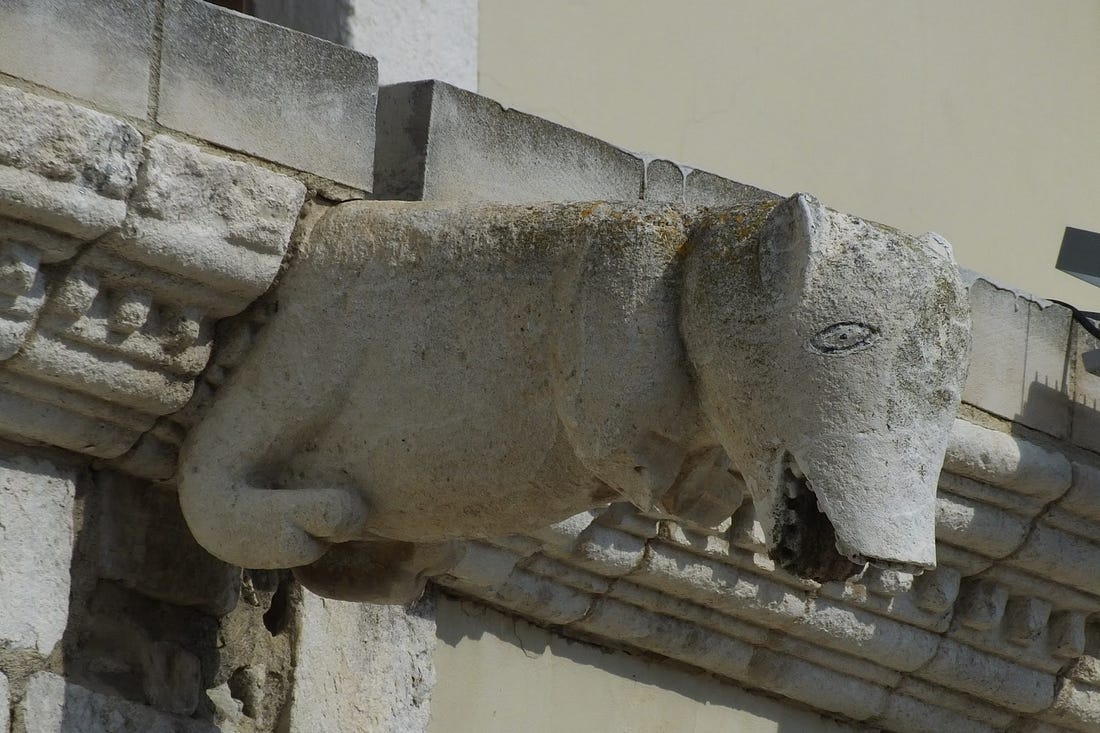
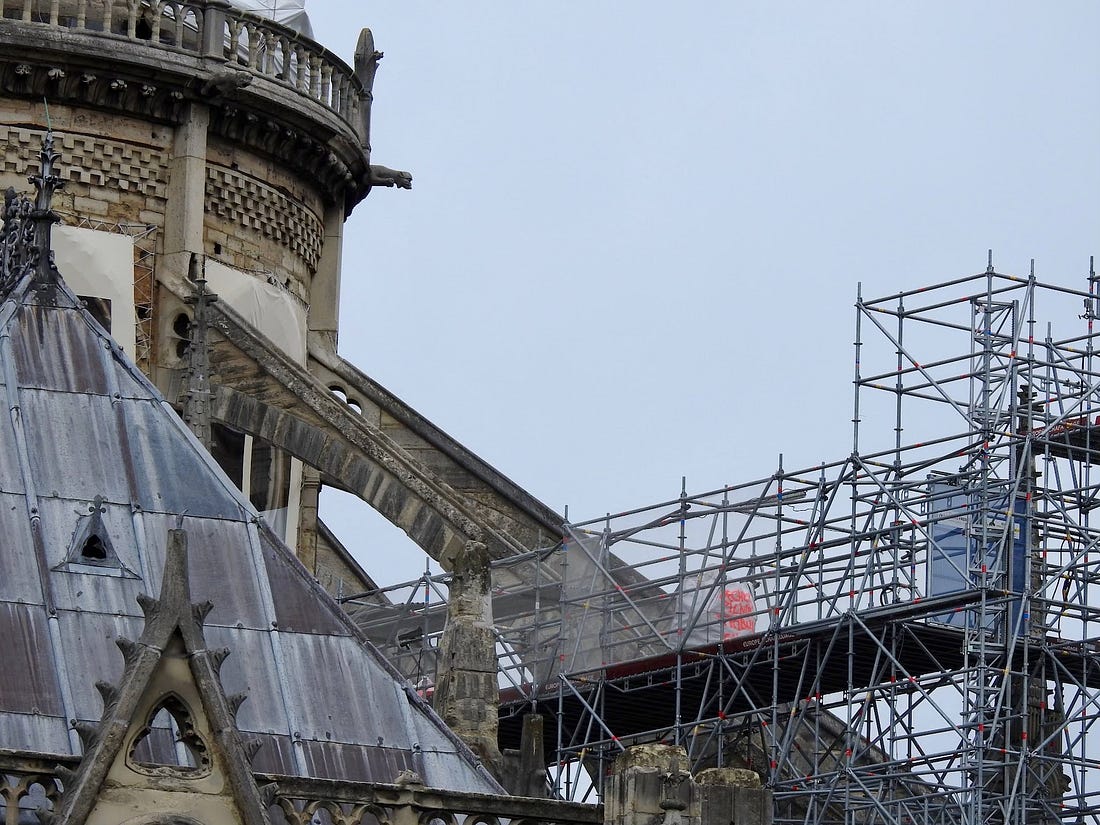
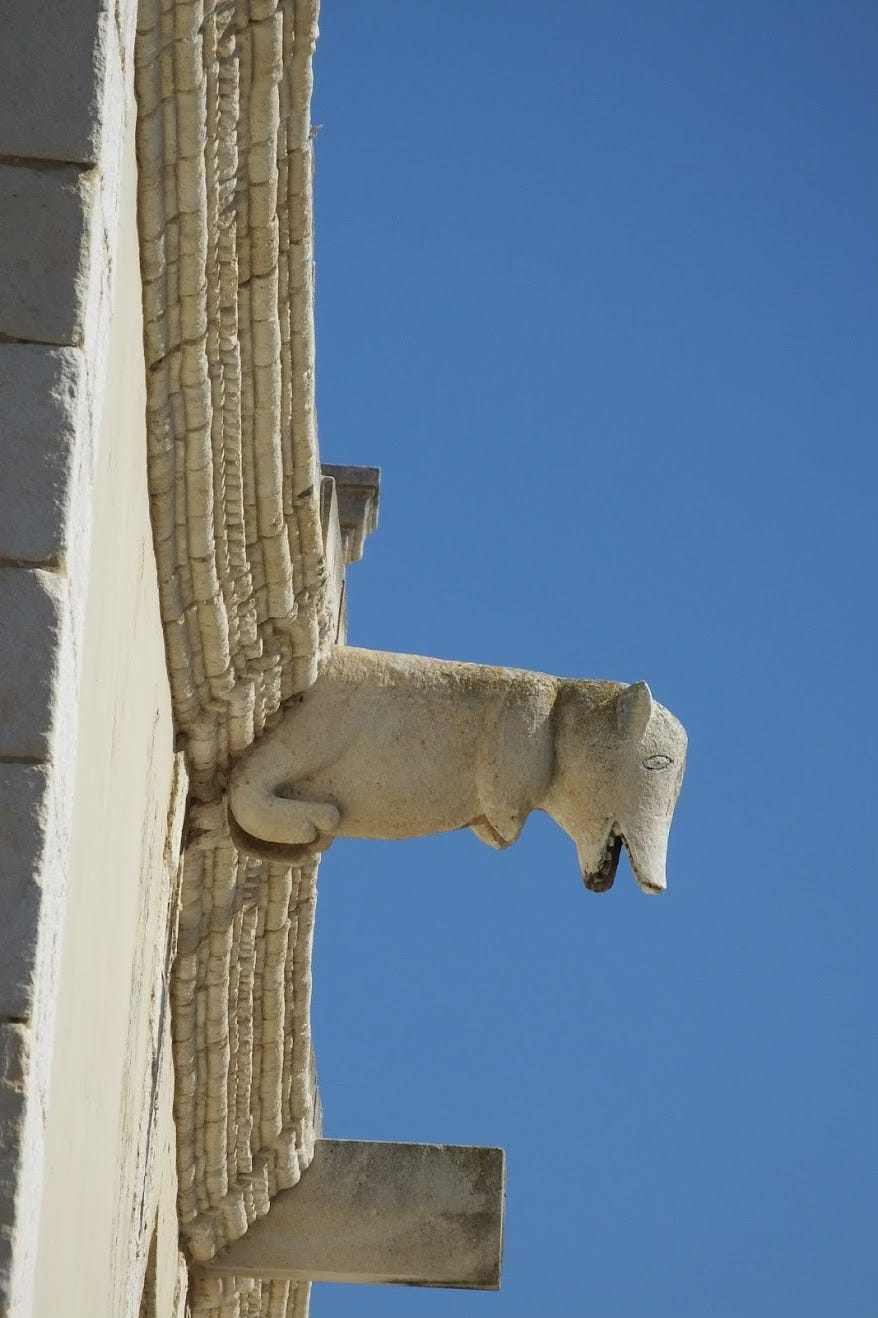
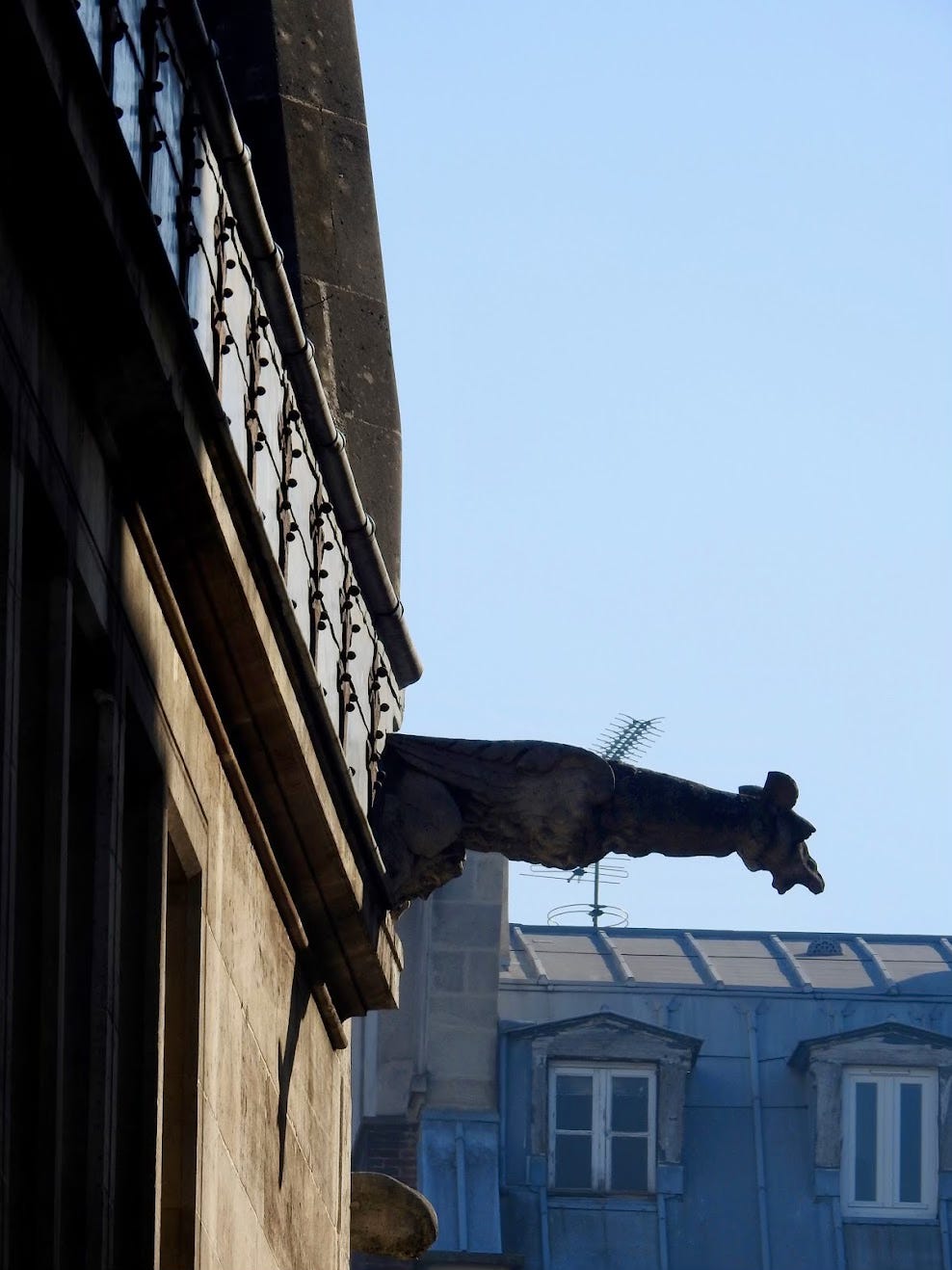
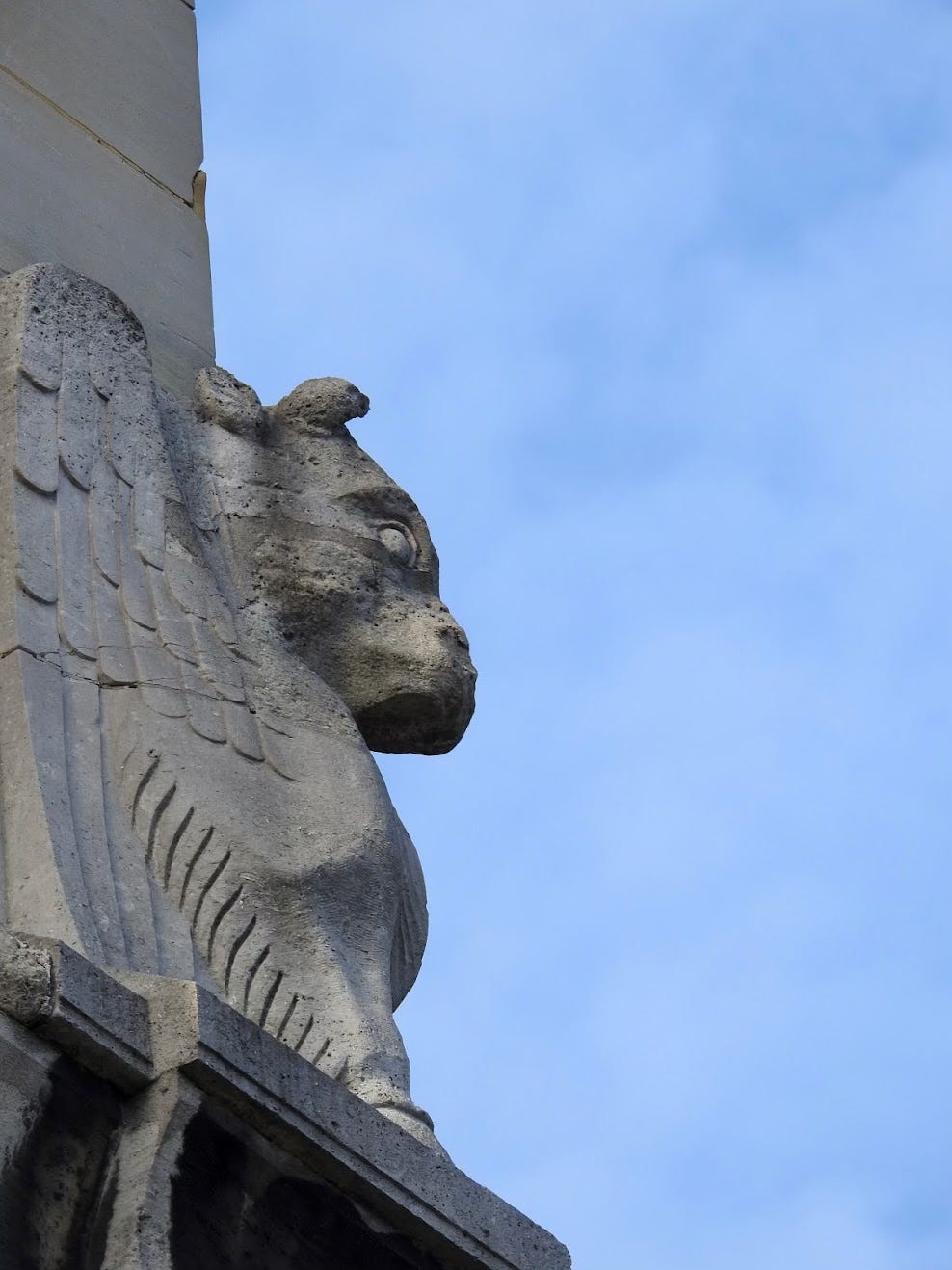
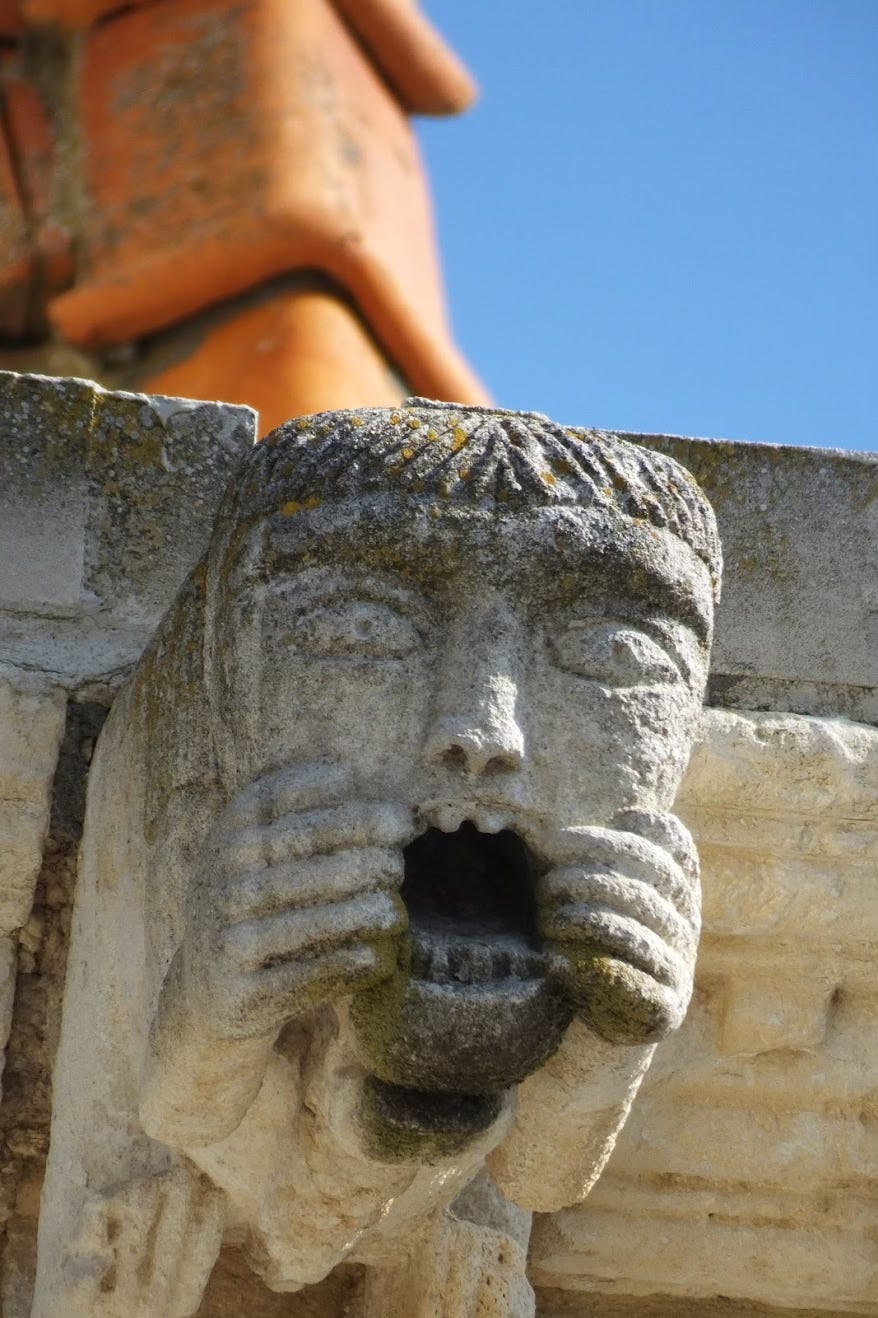
I am re-reading The Hunchback of Notre-Dame, and once again Victor Hugo has me at the top of the Notre-Dame Cathedral with a vertiginous viewpoint of 15th century Paris. It is Paris seen by the hunchback Quasimodo. I am inevitably led back to gargoyles: the grotesque, half-imagined creatures that cling to the edges of ancient cathedrals. Hugo writes obsessively about the cathedral’s architecture, symbolism, and erosion by time and neglect. But here’s a small literary surprise: Victor Hugo doesn’t actually focus on gargoyles as such in The Hunchback of Notre-Dame. It’s me that is obsessed with them, and every time I walk by the cathedral, I look up to see if they are looking down at me. Hugo famously wrote that “books would kill buildings” and that the printed word would replace stone as humanity’s great record. Notre-Dame, according to Hugo, is a vast text written in arches, towers, and scars. When Quasimodo looks out of the cathedral, over Paris, the reader sees the city through his expansive view, like a gargoyle on the cathedrals roof tops. The iconic gargoyles that I see on the Notre-Dame Cathedral were added during Eugène Viollet-le-Duc’s 19th century restoration. They are mostly chimeras, the decorative figures added in the 1800s. They are fantasies, not medieval originals. But here’s the delicious irony: Hugo’s novel, published in 1831, inspired that restoration. First, a clarification: true gargoyles (gargouilles) are waterspouts designed to channel rainwater away from stone walls. They absorb the rain so that the walls don’t erode. They are made of stone in the form of beasts or scary faces. Gargoyles act like facial expressions representing a city’s “body.” They externalize a city’s anxieties, its historical guilt, and its suppressed or actual violence; they are witnesses, unable to intervene, but essential to a city’s meaning. In medieval France, gargoyles served several roles. They were functional, diverting water away from the building. They were also psychological, moral, and apotropaic, giving form to fear and warding it off by embodying it, and reminding citizens not to sin, because the gargoyles will see everything. Hugo understands the duality of gargoyles: both fear and fascination. Gargoyles remain on ancient Parisian cathedrals, crouched at the edges of their roof tops, as the stone watchers of Paris. In literary terms, gargoyles are on the edge of society as symbols of marginal observers. They don’t move, don’t speak, don’t change; they are watching what happens in the city, wherever that may be. As metaphors, gargoyles function as the eyes to society, morality, and power. Gargoyles live above the crowd, outside the sanctuary of the cathedral, and exposed to weather and time. In this sense, they mirror characters who are socially marginalized, morally ambiguous, and physically or emotionally “different” from society’s norms. The fictional character, Quasimodo, is an obvious example of gargoyles in literary form. He occupies the same vantage point as the gargoyles: elevated yet isolated, essential yet unloved. Like gargoyles, he belongs to the structure of the cathedral, but not the society it serves. Both Quasimodo and the gargoyles watch history unfold but cannot descend the cathedral to change society. Medieval cathedrals placed their gargoyles outside for a reason. Inside the cathedral represented theology, order, and light. Outside the cathedral represented sin, chaos, and fear. Re-reading The Hunchback of Notre-Dame in a time of cultural fracture and historical reckoning, gargoyles feel relevant today. In today’s times, order is fragile, society requiresguardians, and someone needs to observe history, even if that someone is weathered, misunderstood, and never invited inside.
Can’t see the whole article? Want to view the original article? Want to view more articles? Go to Martina’s Substack: The Stories in You and Me More Paris articles are in my Paris website The Paris Residences of James Joyce Invite your friends and earn rewardsIf you enjoy The Stories in You and Me , share it with your friends and earn rewards when they subscribe.
|
Sunday, 1 February 2026
Gargoyles: stone watchers of Paris






Subscribe to:
Post Comments (Atom)

-
petrini1 posted: " For Week 7, the theme of genealogist Amy Johnson Crow...
-
The power pose of personal peace - with psychological benefits ... ͏ ͏ ͏ ͏ ͏ ͏ ͏ ͏ ͏ ͏ ͏ ...


No comments:
Post a Comment