Medieval Paris of Gardens and a street where stories might begin… wandering Rue du Jardinet and falling into the Middle Ages …
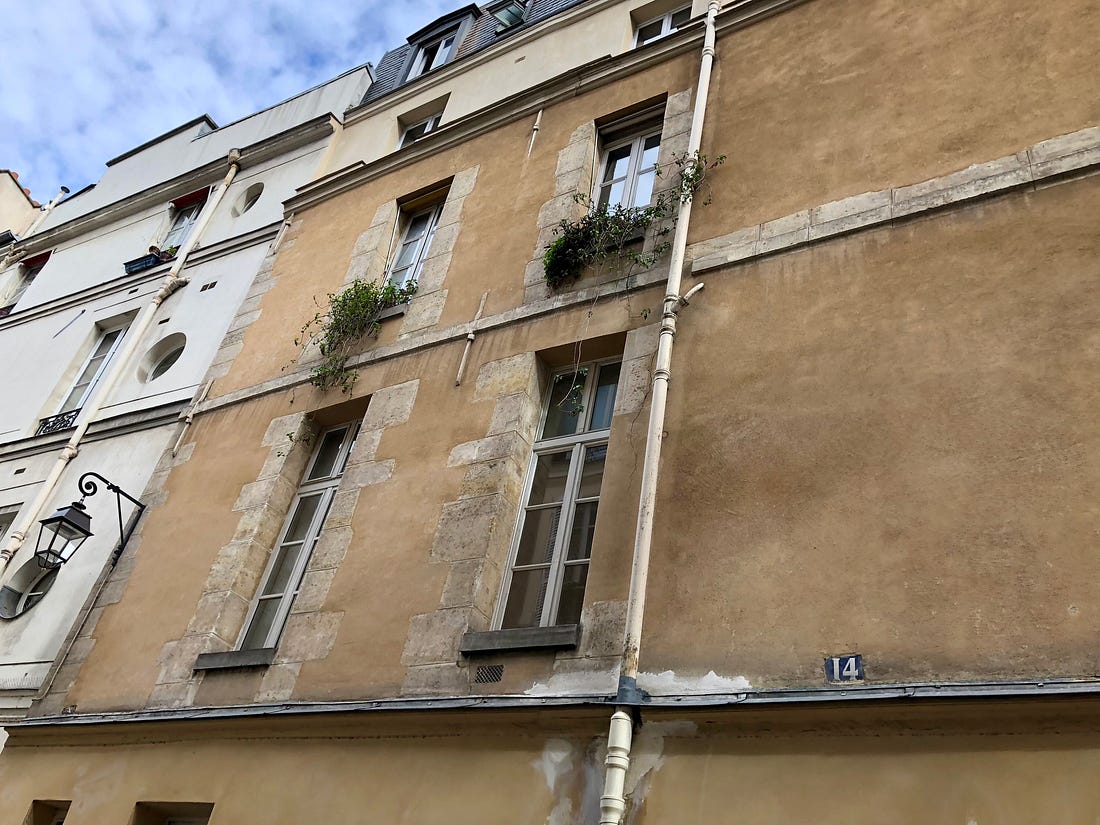
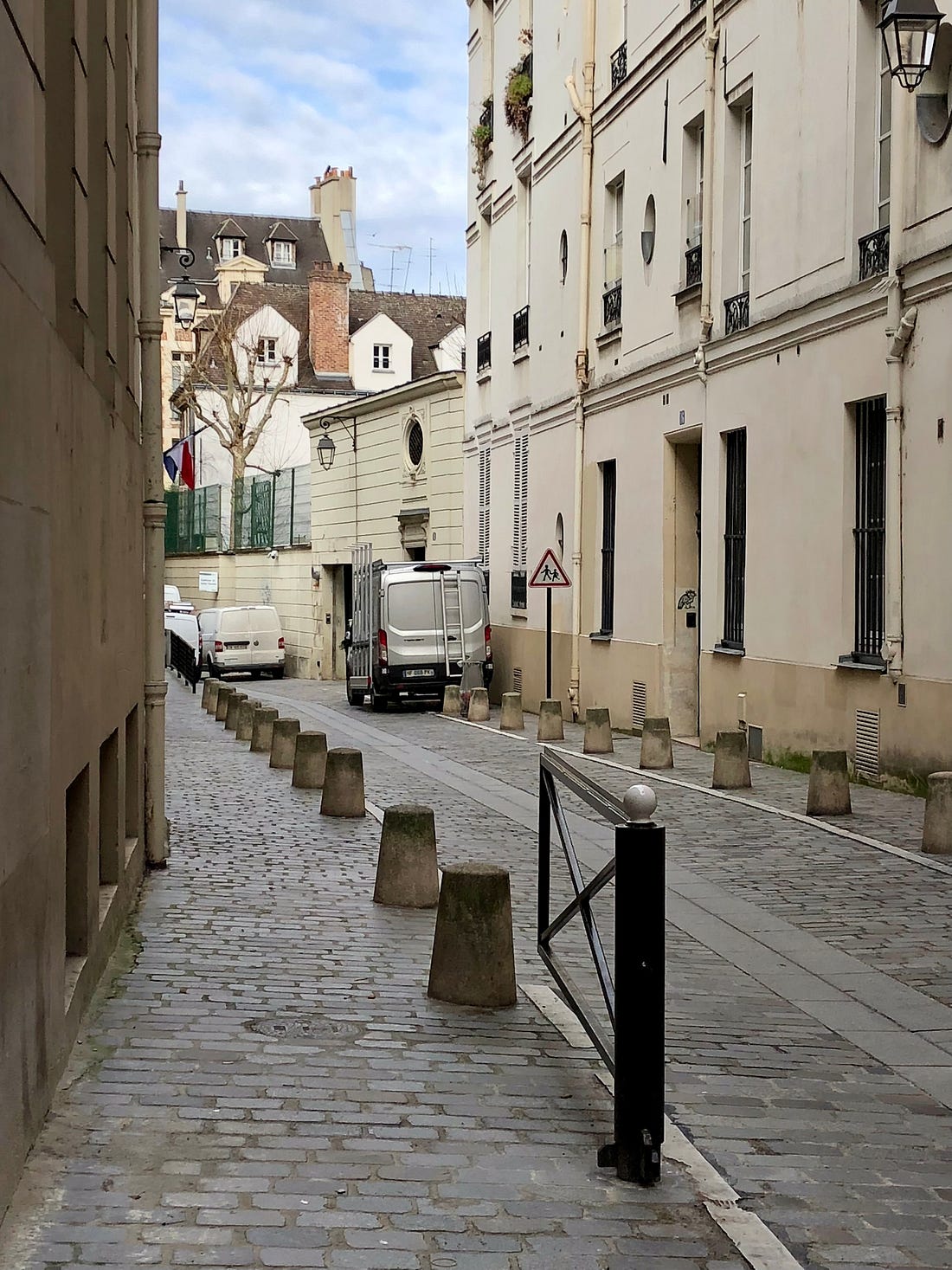
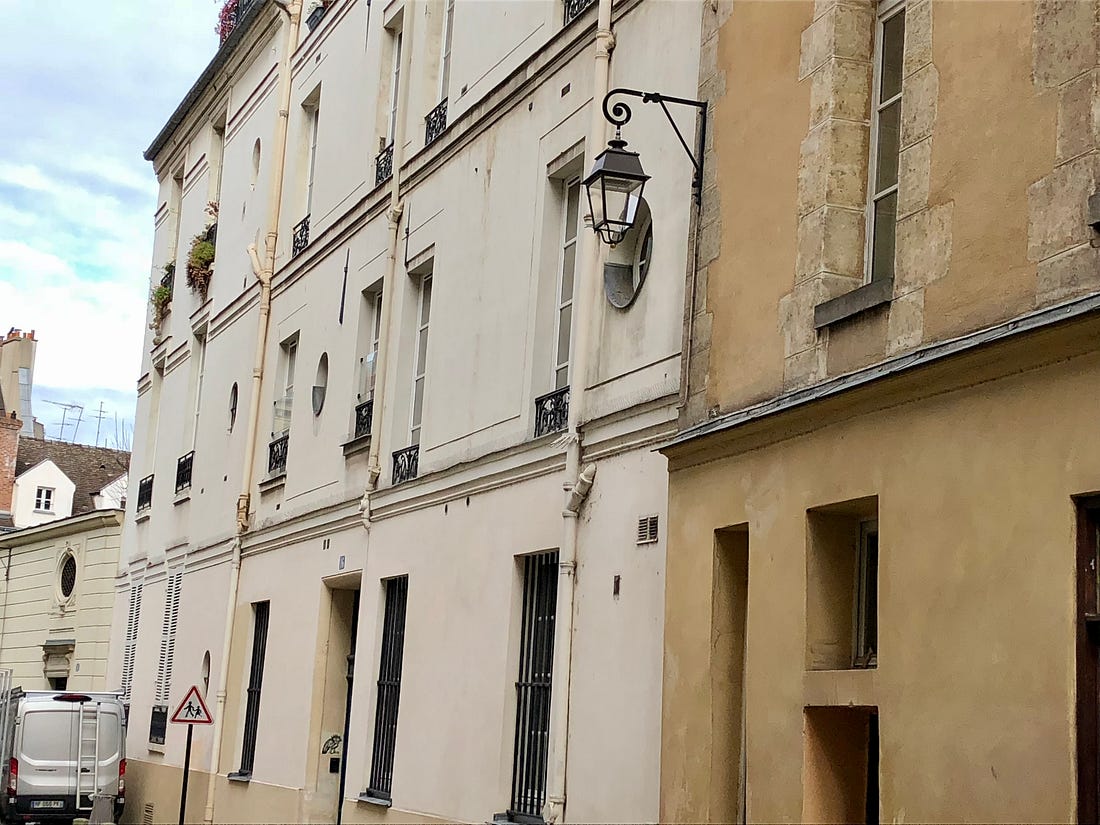
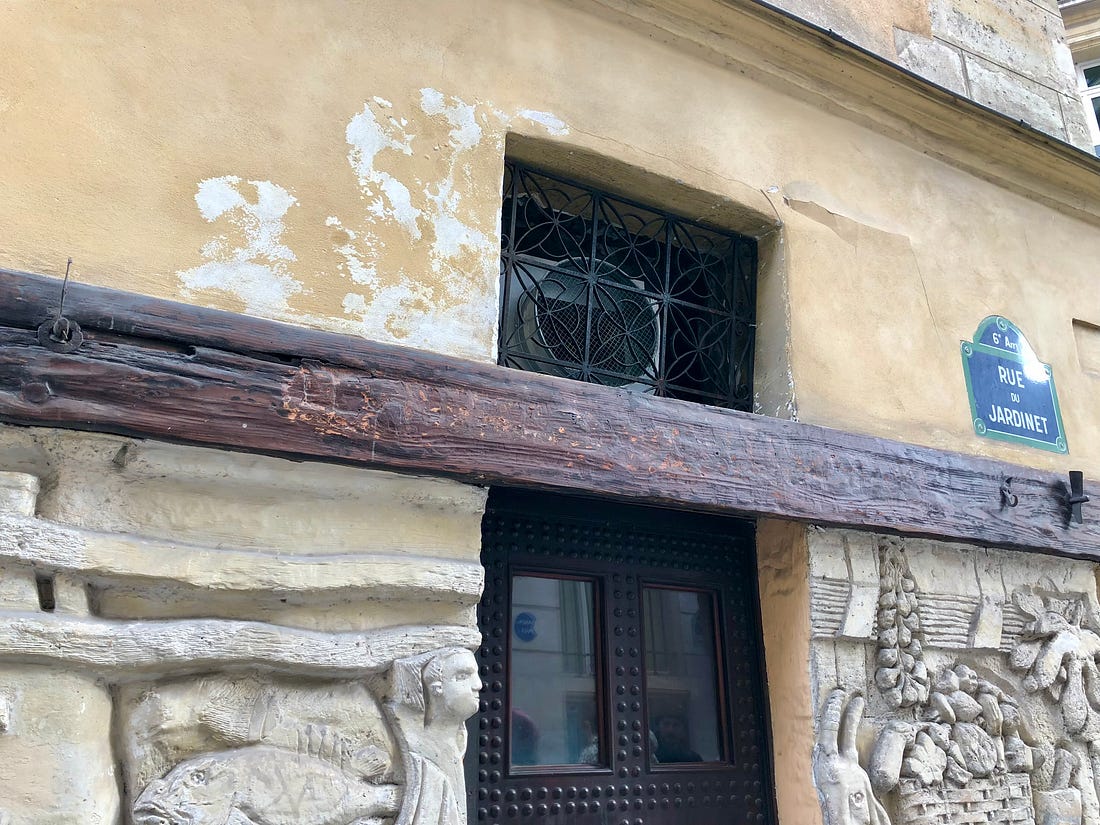
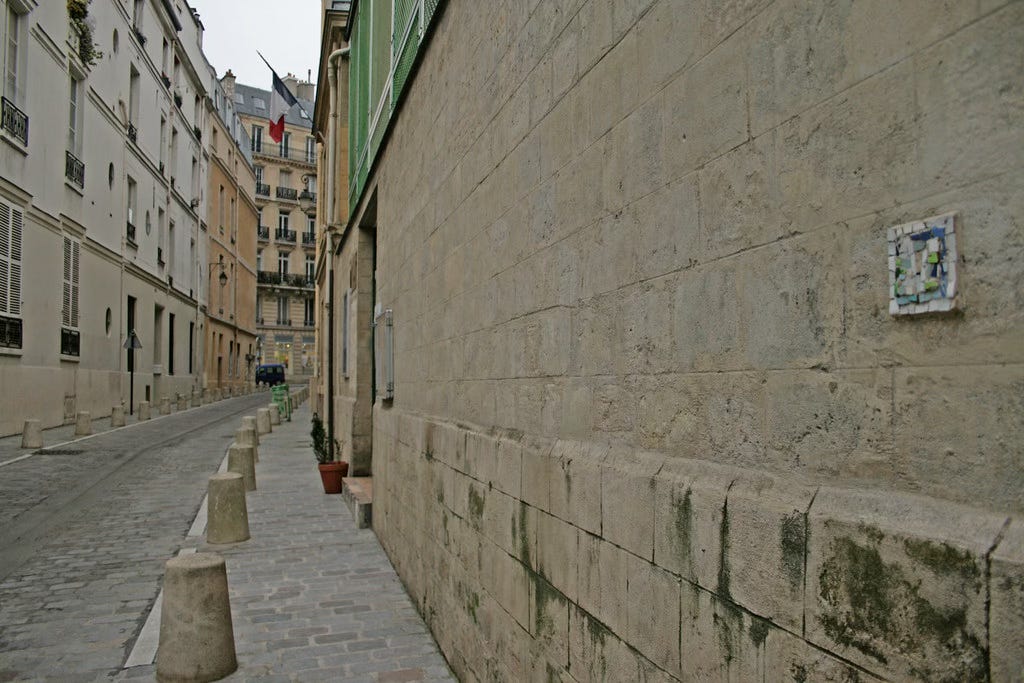
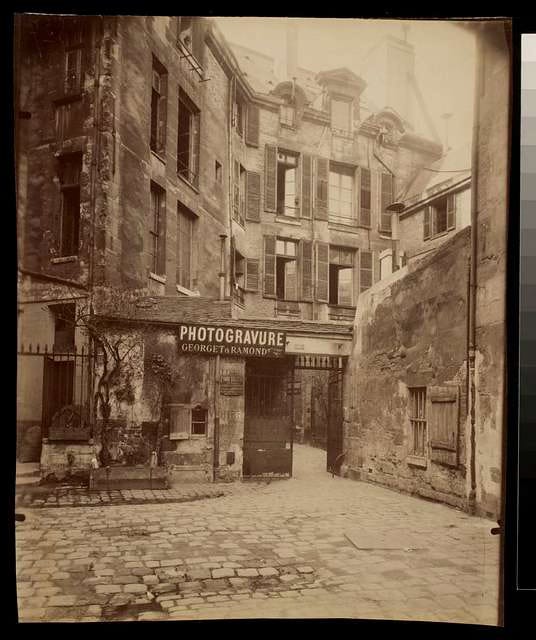
There are streets in the tourist heart of Paris with a different tempo, an ethereal aura, where the past feels strangely present. One of those streets is Rue du Jardinet, which literally means Little Garden Street, and that is not poetic exaggeration. Rue du Jardinet sits just steps from some of the most famous intellectual landmarks of the Left Bank: the cafés and publishing houses that made Saint-Germain-des-Prés synonymous with philosophy, literature, and rebellion. In cafés, writers and thinkers once frequented, like Jean‑Paul Sartre, Simone de Beauvoir, and later generations of artists and musicians. Tourists come looking for that intellectual Paris. What we walk today was once the medieval Paris of gardens. In the Middle Ages, this area sat just beyond the dense core of medieval Paris, near the great Abbey of Saint‑Germain‑des‑Prés. Around the abbey were orchards, small gardens, and cultivated plots that monks or residents owned. Rue du Jardinet grew along the edges of those cultivated plots of land. It is a practical path once connecting gardens, houses, and artisan workshops. Over centuries, the gardens disappeared and buildings rose, but the lane never widened and the medieval footprint remains. That is why the lane still feels so intimate. One of the delights of Rue du Jardinet is the texture of its architecture. Buildings here date largely from the 17th and 18th centuries, though their foundations are often older. The warm yellow-ochre facades, the pale stone framing the windows, and the occasional heavy wooden beams feel almost theatrical, like a stage set that has aged over several hundred years. Within this short lane, this little garden street, there is a carved stone animal above a doorway, old iron window grilles, and walls where plaster has worn away, revealing earlier layers of the building beneath. These are not the grand Haussmann facades that dominate much of Paris. Those came later in the 19th century. For writers, streets like Rue du Jardinet have a special pull. Perhaps it is the narrowness. Perhaps it is the uneven cobblestones. Perhaps it is the way the buildings seem to lean toward one another. Places like this encourage imagination. You begin to wonder: who walked here four hundred years ago? What conversations took place behind those shuttered windows? Which stories started in these houses and drifted out into the world? Rue du Jardinet feels like a little corridor of ideas: a place where a story might begin. What I love most about Rue du Jardinet is its modesty. It simply continues to exist while Paris reinvents itself again and again. You can step off a busy boulevard, turn a corner, and suddenly find yourself walking through a fragment of the city that is centuries old. In a place like this, storytelling does not feel like an act of invention. It feels like a building’s old breath. Rue du Jardinet (by Martina Nicolls) In the narrow patience of this street time has chosen not to hurry. Stone remembers what we forget. The walls hold an old breath of centuries as if history were simply a long conversation spoken softly between buildings. A beam darkened by rain and winter leans above a doorway where hands once knocked four hundred years ago with news, with bread, with love, with worry about tomorrow. Those footsteps have gone. Yet the cobblestones still echo. How strange and generous that the past has not entirely left us. It lingers in yellow-ochre plaster, in the iron lace of window grilles, in a street so narrow that the sky must lean down to fill it with sunshine. I walk here now, with tourists, wanderers, storytellers pretending to be ordinary pedestrians, and feel a sudden gratitude I cannot quite explain. Because something ancient has survived centuries of riot and rebellion. Because somewhere in the city a street has refused to become modern too quickly. Because memory still has an address. And because, for a moment, standing in this little garden street, I remember that the present is simply the past that has continued to breathe its old breath.
Can’t see the whole article? Want to view the original article? Want to view more articles? Go to Martina’s Substack: The Stories in You and Me More Paris articles are in my Paris website The Paris Residences of James Joyce You're currently a free subscriber to The Stories in You and Me . For the full experience, upgrade your subscription.
|
Friday, 13 March 2026
Medieval Paris of Gardens and a street where stories might begin






Subscribe to:
Post Comments (Atom)

-
petrini1 posted: " For Week 7, the theme of genealogist Amy Johnson Crow...
-
The power pose of personal peace - with psychological benefits ... ͏ ͏ ͏ ͏ ͏ ͏ ͏ ͏ ͏ ͏ ͏ ...
-
… personal protection vs environmental protection – is that the issue? … ͏ ͏ ͏ ͏ ͏ ͏ ͏ ͏ ͏ ...


No comments:
Post a Comment