The French love of visual trickery: from painting to pastries… craft through precision, patience, and mastery …
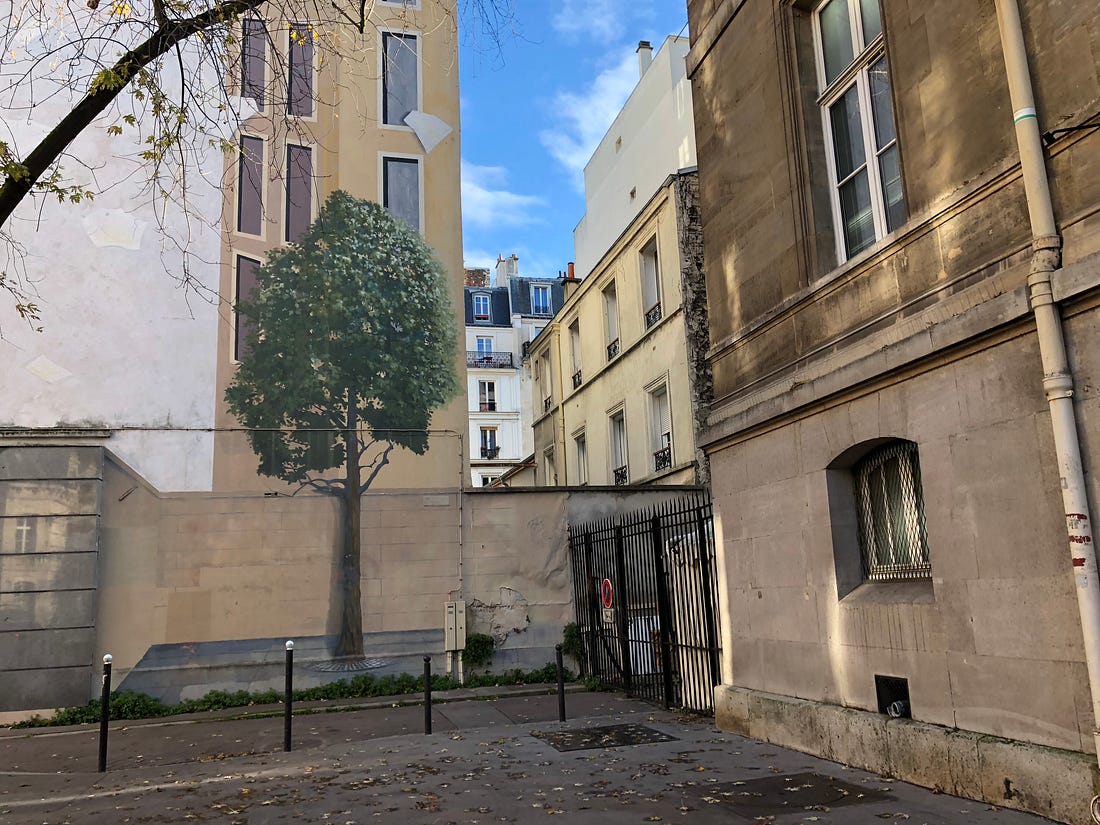
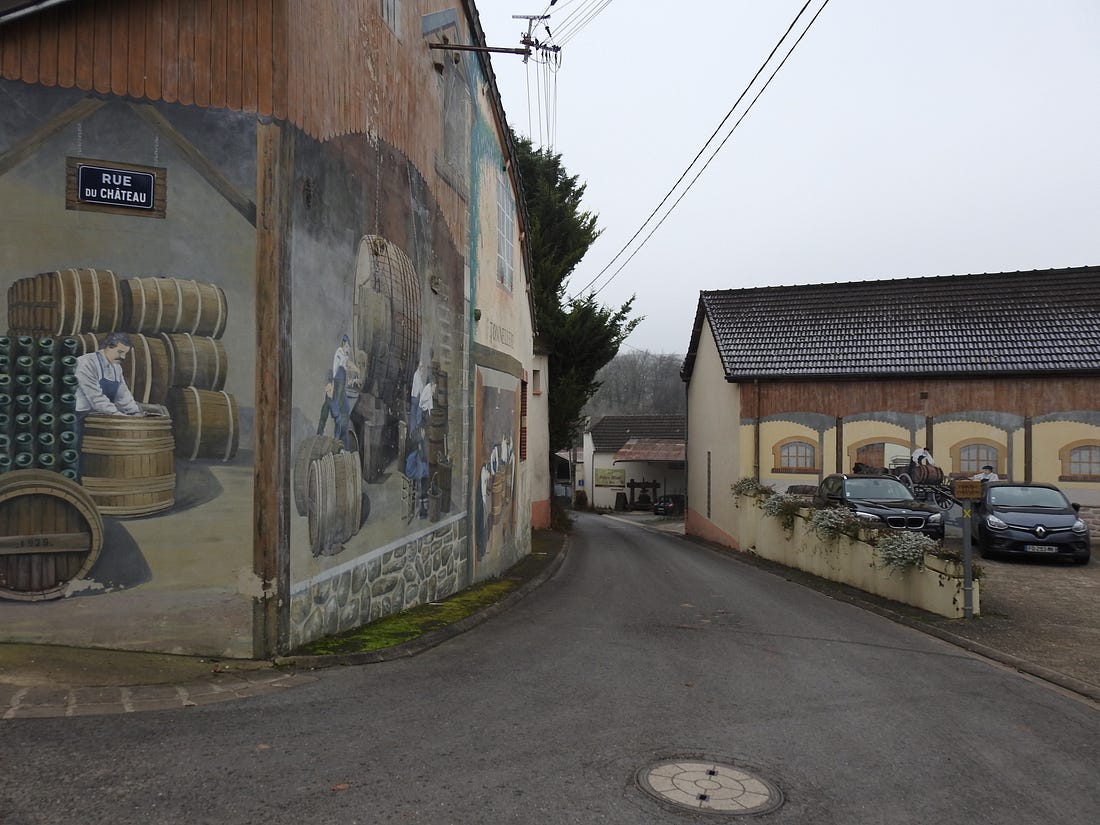
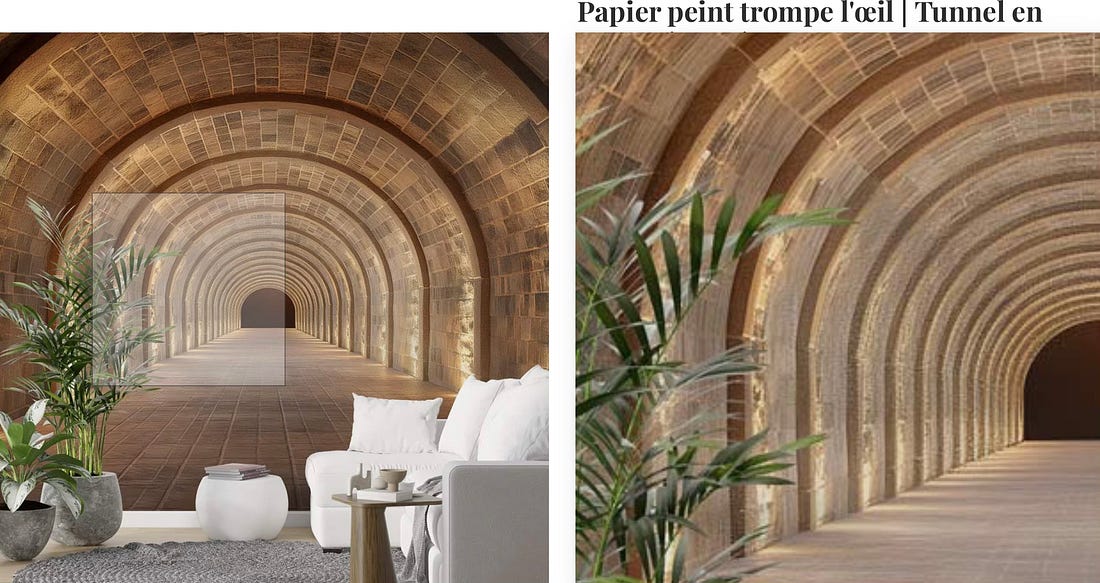
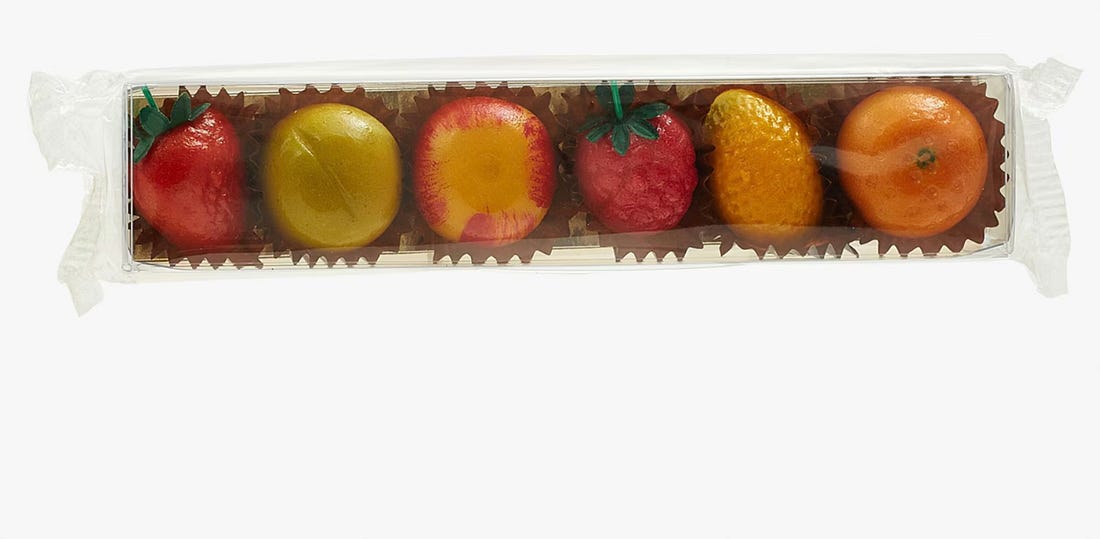
Visual trickery is visual deception but in art and cooking it can be a delightful trick of the eye. The French term for “deceive the eye” is trompe-l’oeil, dating back to the Romans and ancient Greeks with the creation of optical illusions. The French commonly used the term in the 13th century when they made food that imitated other food or objects, like meat and rice shaped to look like hedgehogs, and later in art and architecture to imitate scenery that doesn’t exist, like a mural of a pastoral scene to hide a brick wall. Trompe-l’oeil entremets (deceive the eye desserts) have become extremely popular in which French pastries are disguised as everyday objects: desserts that look like miniature fruit or houses or animals. The French love of visual trickery goes beyond novelty. It expresses deeper cultural values such as a pride of artisanship, an amusing ruse of reality, and an invitation to be artistic with food. As the French say, it is consumption with creativity. Whether on a wall or a plate, trompe-l’œil is perfecting a craft through precision, patience, and mastery, and a little bit of mischief. Café mirrors, street art, mismatched architectural eras; the French love the uncertainty between what is real and what is suggested. For example, restoration projects often use trompe-l’œil to recreate lost architectural elements without reconstructing them physically. Pastry illusions often use seasonal ingredients, marzipan, and especially smaller portion sizes to recreate the beauty and fun of desserts. Ultimately, the French love of visual trickery endures because it does what all great art should do: it surprises us, it makes us smile, and it reconnects us with our senses. In both mural and mousse, there is a small but unmistakable moment when the viewer or consumer realizes that they have been delightfully fooled. Trompe-l’œil is not merely trickery. It is an expression of something deeply French: the joy of seeing the world not just as it is, but as it might be if we let imagination trump reason.
Can’t see the whole article? Want to view the original article? Want to view more articles? Go to Martina’s Substack: The Stories in You and Me More Paris articles are in my Paris website The Paris Residences of James Joyce You're currently a free subscriber to The Stories in You and Me . For the full experience, upgrade your subscription.
|
Sunday, 30 November 2025
The French love of visual trickery: from painting to pastries





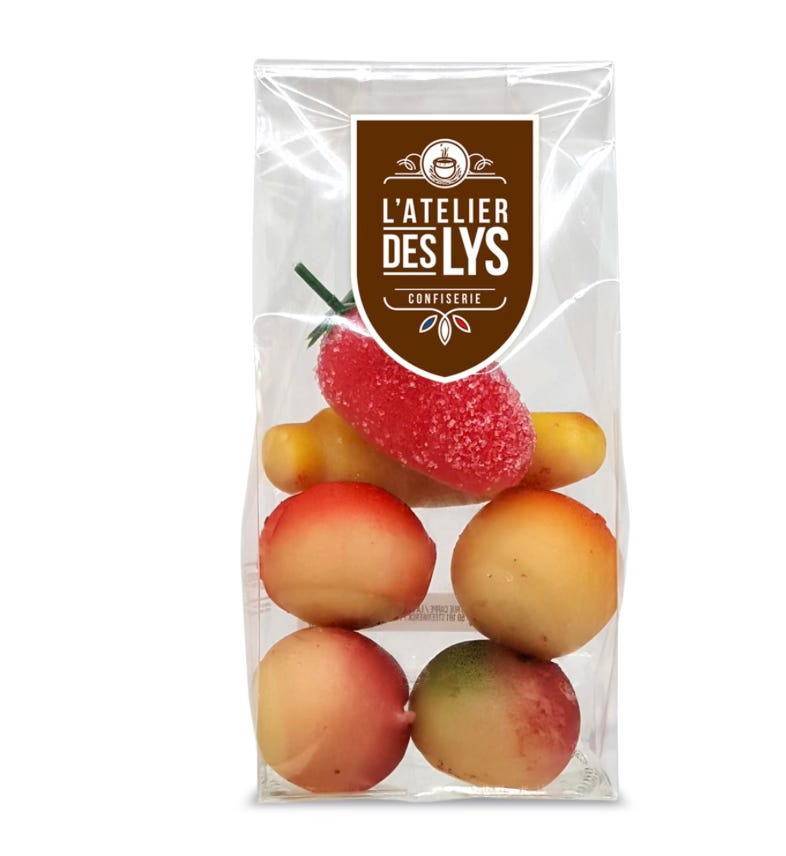
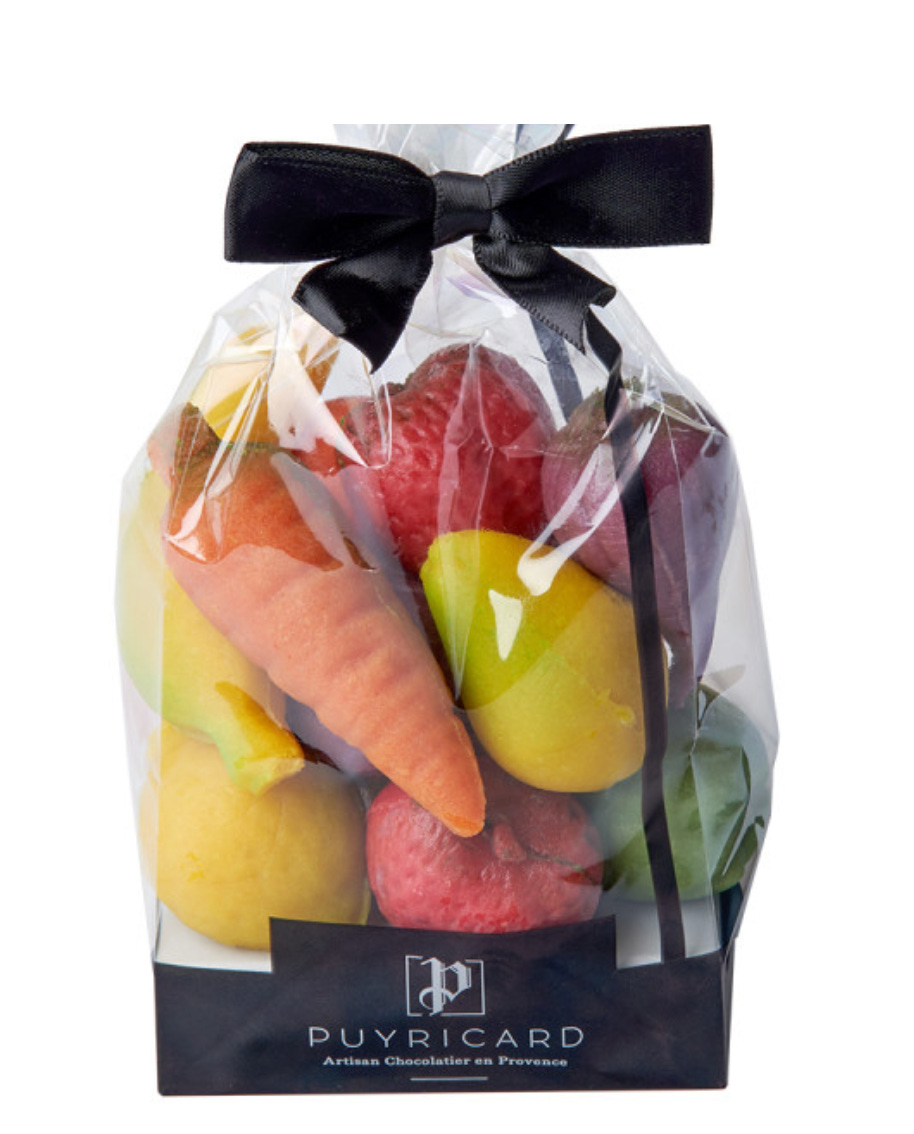


Cross Fit for the Mind
|

|

|
|
Thursday, 27 November 2025
France and Australia’s wine industries are facing parallel pain
French wine producers are angry, Australian wine growers are desperate. In the northern hemisphere, the vineyards of southern France are entering a third consecutive year of heat and hardship. In the southern hemisphere, grape prices have plunged to historic lows in the South Australian Riverland. Though separated by oceans, France and Australia’s wine regions now face a strikingly parallel dilemma. Together, these crises show a global wine sector under unprecedented strain, with local economies, not just vineyards, at risk of unravelling. Wine is not only a cultural pillar in France; it is the economic backbone in many rural areas, but the 2025 harvest has dashed hopes once again. The Agriculture Ministry now estimates production at 36.2 million hectolitres, which is a near duplication of 2024’s disastrous levels. A hectolitre is equivalent to 100 litres or 26.4 gallons of liquid. In Aude, output has collapsed from 3.9 million hectolitres to 2 million in just a few years due to drought, high temperatures, and unpredictable weather conditions. For many, 2025 marks the third straight year of failed harvests. As grape yields shrink, cooperatives are losing revenue and locals are experiencing declining foot traffic. Seasonal labour has dried up, impacting rural towns that rely on viticulture for employment and tourism. “Every year we wait for recovery, and every year the heat takes it away,” one grower in the Languedoc said, reported in Le Monde. Regions built on centuries of tradition now face increasingly fragile economic futures. On the opposite side of the world, Australia’s Riverland – one of the largest wine-producing regions in the world – is facing a crisis of economics, oversupply, and the shattering of global demand. More than 900 grape growers and 25 wineries find themselves in what their industry bodies call a “social and economic emergency,” according to The Forager InDaily South Australian magazine. Prices for red wine grapes have fallen so sharply that they no longer cover the basic costs of production. After years of Chinese tariffs, a global red wine glut, flooding, and drought, a new hardship has arrived: a 7% worldwide drop in demand for red wine varieties. Local leaders say the industry is “on its knees.” Growers have written directly to the South Australian Premier pleading for an immediate crisis meeting and a structured relief package. They warn that if the government waits, it may soon be too late to save the region’s economy. In the Riverland, wine grapes are more than a crop. A prolonged collapse could hollow out the entire region. “When farmers stop believing they have a future, whole towns suffer,” wrote the chairs of the Riverland Winegrape Growers Association and the Riverland Wine Industry Development Council. Though the triggers differ — climate in France, economics in Australia — the parallels are unmistakable: +Both regions are experiencing multi-year pressure with no immediate recovery in sight. +Both rely heavily on wine as a core economic revenue raiser. +Both are watching generational family farms teeter on the edge. +Both fear secondary collapse: jobs, shops, schools, small businesses, and services. Each crisis also reveals the vulnerability of rural economies tied to single dominant industries. When the vines fail, or when the market collapses, everything around them declines too. For France, experts say the long-term solution may be climate-resilient viticulture, new irrigation systems, and rethinking grape varieties. For Australia, the long-term solution may require market diversification, structural reform, and targeted financial support. In summary, their parallel pain stems from climate in France, market collapse in South Australia. The result is plunging yields in France, plunging profitability in SA. The sentiment of the growers ranges from anger at repeated failed harvests in France, desperation for government intervention in SA. The impact is the threat to harvests and generational continuity in France, threat to entire regional economies in SA. For now, in both hemispheres, growers have the same anger and the same desperation about whether their vineyards, and their towns, will survive this season. Can’t see the whole article? Want to view the original article? Want to view more articles? Go to Martina’s Substack: The Stories in You and Me More Paris articles are in my Paris website The Paris Residences of James Joyce You're currently a free subscriber to The Stories in You and Me . For the full experience, upgrade your subscription.
|
Spring and a duckling held in two hands
… symbol of spring – but not a spring chicken … ͏ ͏ ͏ ͏ ͏ ͏ ͏ ͏ ͏ ͏ ͏ ͏ ͏ ͏...
-
thealchemistspottery posted: " "I shall pass through this world but once.If therefore, there be any kindness I can sho...
-
Stimulate the body to calm the mind Cross Fit for the Mind The Newsletter that Changes the Minds of High Performers If overstimulation is th...
-
petrini1 posted: " For Week 7, the theme of genealogist Amy Johnson Crow...


