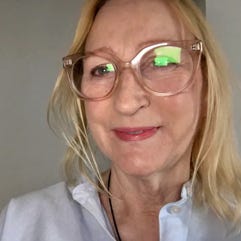
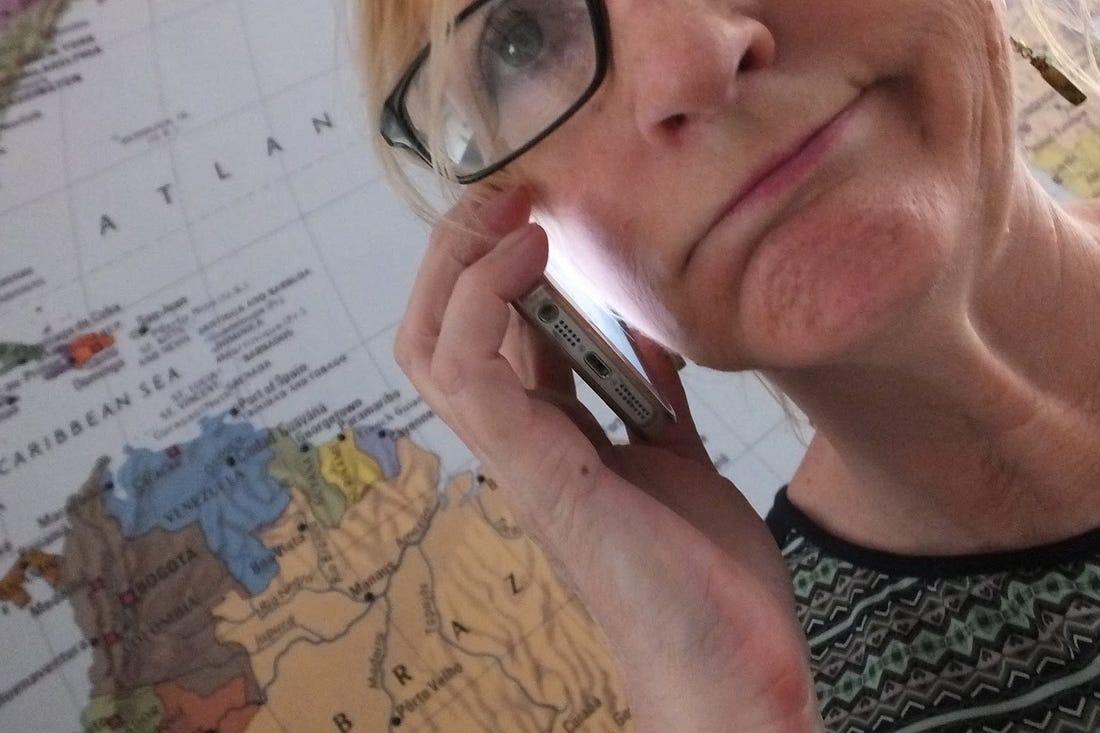
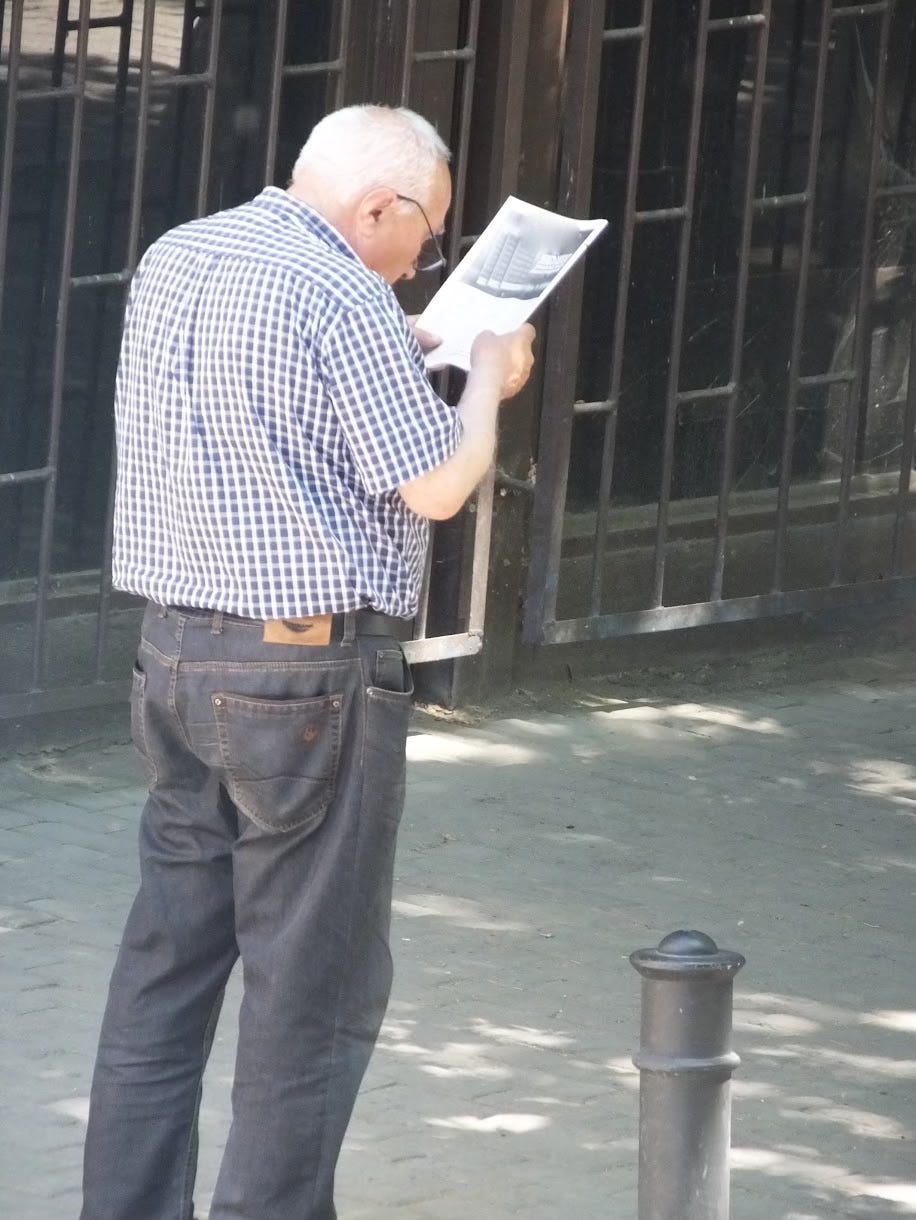
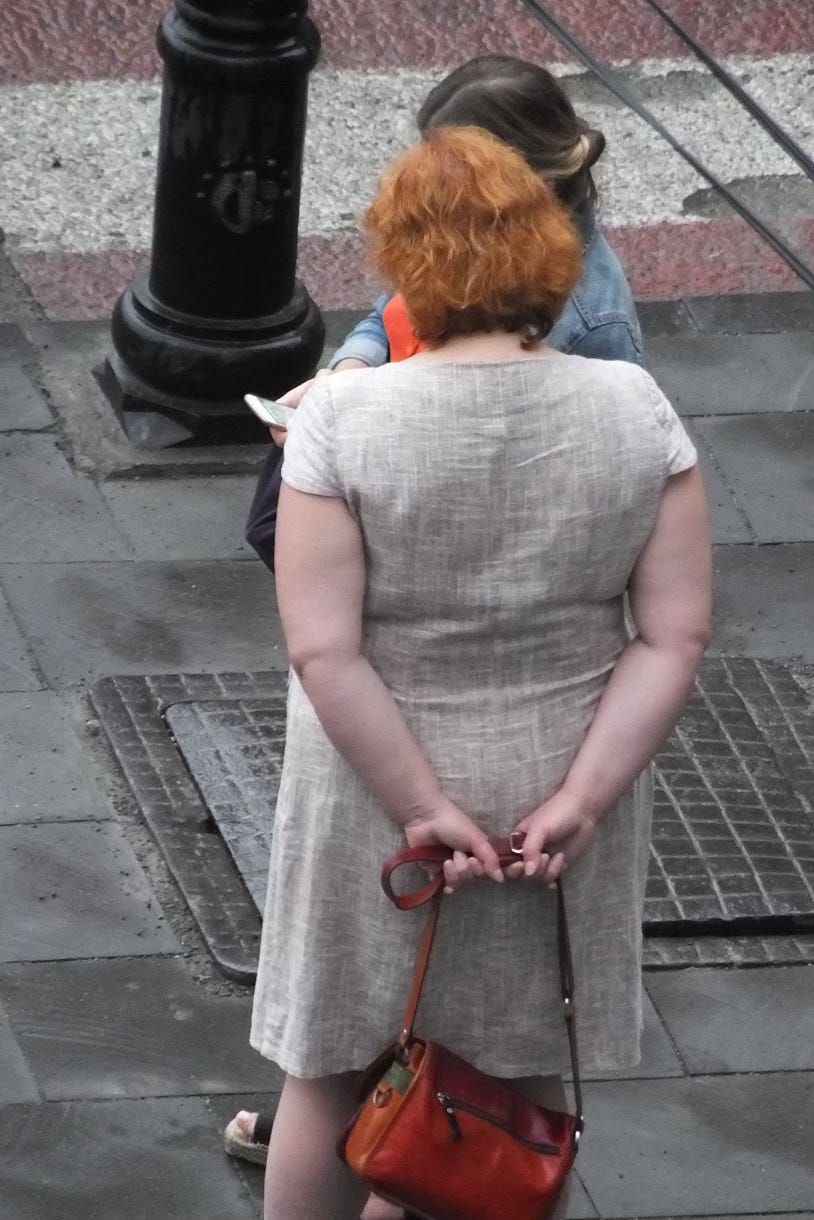
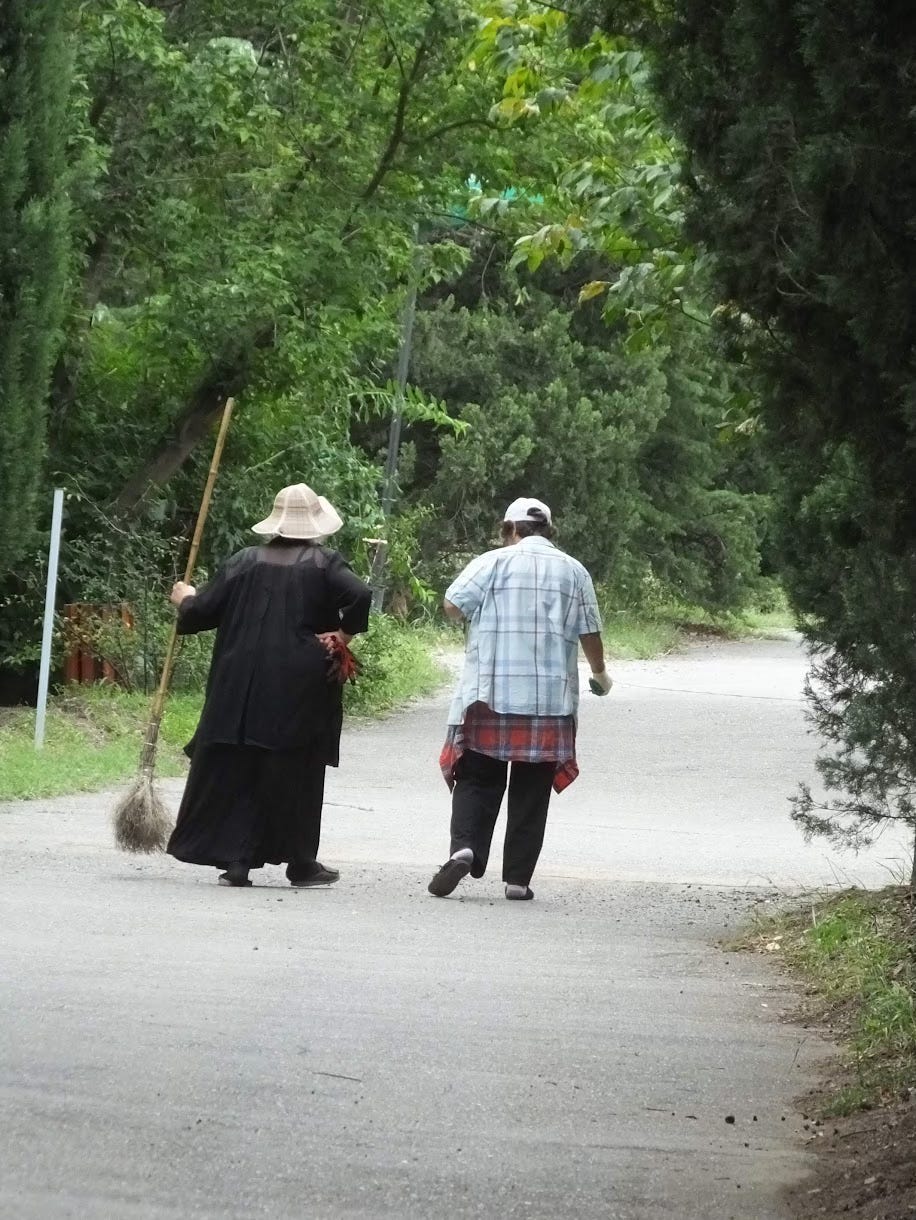
We often think of storytelling as something that happens through words written, spoken, and crafted, or through other forms of creativity such as dance, music, and art. Before we ever learned to form sentences, our body was already speaking. Every gesture, posture, and small unconscious movement is part of an ongoing story about who we are, what we feel, and how we’re moving through life. Whether we mean to or not, our body narrates us. Our body is one of the most honest storytellers of all. Think about how much you already understand simply by watching someone walk into a room. You can sense joy before they smile. You can recognize defeat before a word is spoken. You can spot anger long before you hear the tone of voice. The body announces the story before the mouth has the chance to. A bouncing step might say, “I’ve heard some good news today.” A slow, smooth movement might say, “I’m content.” We read people long before we listen to them. The way people arrange themselves at a desk, reach for a mug, react to noise, wait in a queue, fidget with sleeves or hair, or carry tension in their jaw or hands. Most of these movements are unintentional: pure instinct, shaped by mood, personality, history, and even cultural imprinting. This means that your body is telling stories you don’t consciously tell. For writers, playwrights, and creators, observing the body is one of the richest ways to build characters who feel real because the body gives you metaphors for emotions. Of course, sometimes we consciously use the body as storytelling, such as dancers, actors, mime artists, public speakers, athletes, and performers. Here, movement becomes a deliberate, crafted language. But most of the time? The body is unintentionally speaking through reflex, posture, and breath. So much of good writing doesn’t tell emotion but shows the body responding to it. Watching real people is one of the best character-building exercises a storyteller can practice. Cafés, train stations, hospital waiting rooms, airports; they all hold characters in unwritten novels. This unintentional storytelling is what makes human expression so compelling, and so revealing. We are never not telling a story. Here are a few truths about embodied storytelling: The body remembers what the mind forgets. The body expresses what words dilute. The body reveals truth before the voice does. The body is narrating emotions in real time. If you ever feel stuck in your writing, watch someone’s body. Watch how people lean into safety or away from discomfort. Watch how children run without thinking and adults measure their steps. Watch how someone carries their past injuries in the way they stand. Your body is telling a story. Other bodies are telling their stories. There are novels unfolding everywhere.
Can’t see the whole article? Want to view the original article? Want to view more articles? Go to Martina’s Substack: The Stories in You and Me More Paris articles are in my Paris website The Paris Residences of James Joyce Rainy Day Healing - gaining ground in life. You're currently a free subscriber to The Stories in You and Me . For the full experience, upgrade your subscription.
|
Thursday, 20 November 2025
The Body is a Storyteller





Subscribe to:
Post Comments (Atom)

-
petrini1 posted: " For Week 7, the theme of genealogist Amy Johnson Crow...
-
The power pose of personal peace - with psychological benefits ... ͏ ͏ ͏ ͏ ͏ ͏ ͏ ͏ ͏ ͏ ͏ ...


No comments:
Post a Comment