|

|

|
|
|
|
|
|
Paris perfume 2025: it’s about self-expressing not impressing… perfume is no longer only about seduction or luxury in Paris …
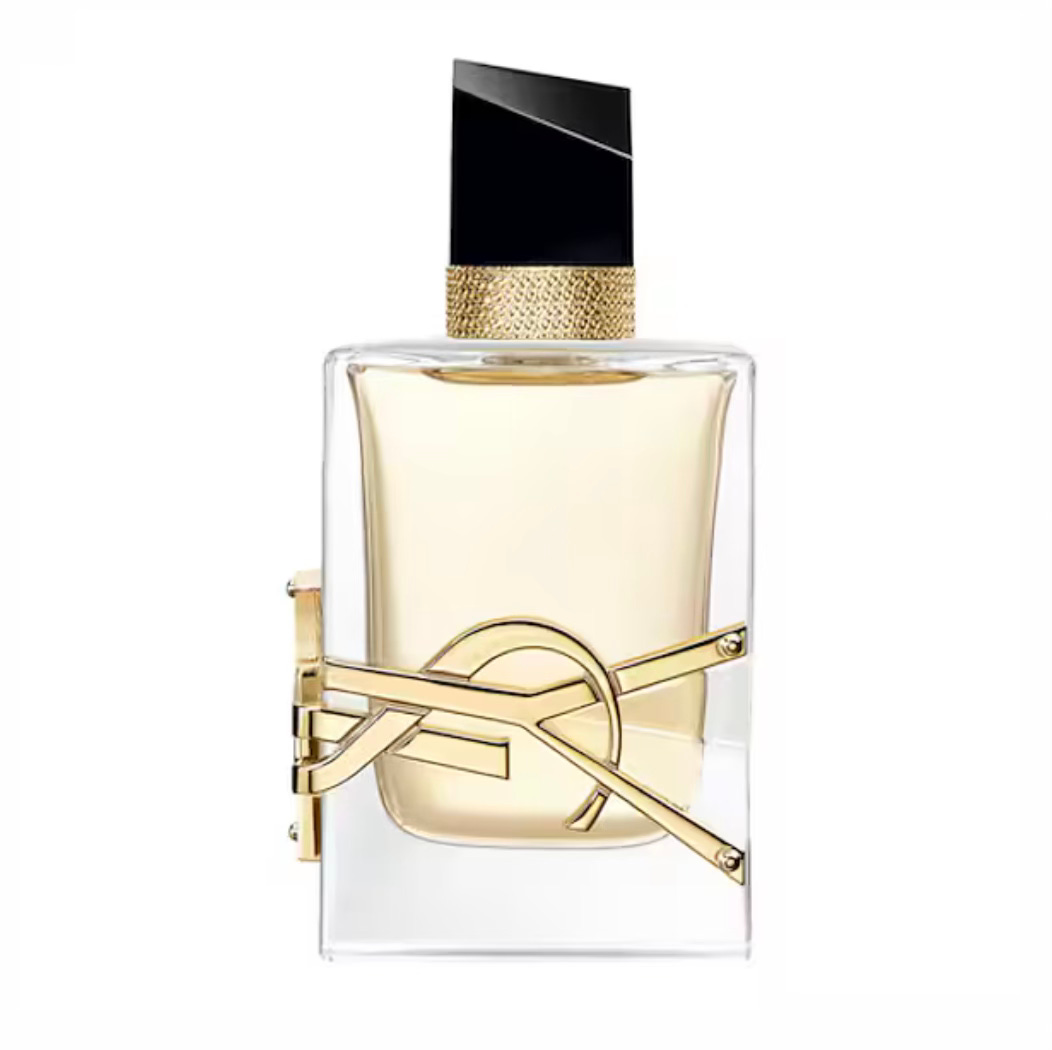
Fragrance in Paris has always been part of the city’s unspoken language, and now it is more about self-expression than ever before. Wearing perfume is on the rise in Paris, spearheaded by young people, and it’s all about identity and confidence, rather than seduction or luxury. Cosmétiquemag published a study on perfume use in October 2025 in collaboration with Ipsos BVA. The research focused on 18–25-year-olds across France, and one result stood out immediately: “95% of young men now wear perfume, nearly matching women at 97%, and more than half say they use scent more than they did five years ago.” Beauty rituals are converging between the genders who now share many of the same grooming and self-care habits but with different emotional motivations. And it isn’t about impressing others. Across genders, 83% of young people see beauty as a way to feel good, rather than to please others. For example, 80% of young men use skincare or grooming products regularly, with 40% using makeup occasionally. Perfume fits into this beauty shift. Perfume is no longer “for him” or “for her.” It’s for “today” or for “this mood” or for “this version of myself.” For 63% of young men, perfume plays an important role in everyday life, and 74% say it helps them affirm their personality and identity. In other words, perfume has become a form of self-expression, almost like a signature. The study also reveals that 60% of young people have bought a cosmetic or perfume after seeing it on TikTok. But there’s tension too. Nearly half say they feel overwhelmed by the sheer volume of products and advice online, not to mention the price. Enter the rise of affordable dupes inspired by duplicating luxury scents. Over 75% of study respondents say dupes are good because they democratize access to luxury. And yet, despite the accessibility of dupes, luxury perfume hasn’t lost its magic. A beautifully made bottle or a carefully composed scent still carries emotional weight for young people. It still feels like a luxurious gift to others or to oneself. Perhaps that’s why this perfume research is timely. In a world of algorithms and scrolling, perfume remains wonderfully analogue. I use the French eau de toilette, Ô de Lancôme, launched in 1969, but I like to add one extra perfume as an alternate. At Christmas, I was gifted Yves Saint Laurent’s Libre perfume (it means “free”), launched in 2019, and with a 50-year difference, the scent is unmistakably modern. YSL Libre feels emblematic of the 2025 shift from luxury to lifestyle: from the distinctly feminine fragrance of Ô de Lancôme to the category-defying scent of Libre; a scent for a mood, a scent for a state of mind. What I really received was the scent of storytelling. Paris, perfume, perfectParis is not pretentious about perfume. Scent lingers in stairwells It lingers in cafés Perfume here is not worn, A trace of lavender Left behind on a chair after the person has gone, Perfume is not seduction here. And who you remain Paris understands Paris. Like a walk without a destination. Like love. Additional articles: What Your Paris Perfume Says About You (by arrondissement) Five Scents That Smell Like Paris (to wear in 2026)
Can’t see the whole article? Want to view the original article? Want to view more articles? Go to Martina’s Substack: The Stories in You and Me More Paris articles are in my Paris website The Paris Residences of James Joyce Invite your friends and earn rewardsIf you enjoy The Stories in You and Me , share it with your friends and earn rewards when they subscribe.
|
Evolution of freedom in France: in print, fashion, style, and lives… Parisian lesson about allies … 200 years of freedom celebrated …
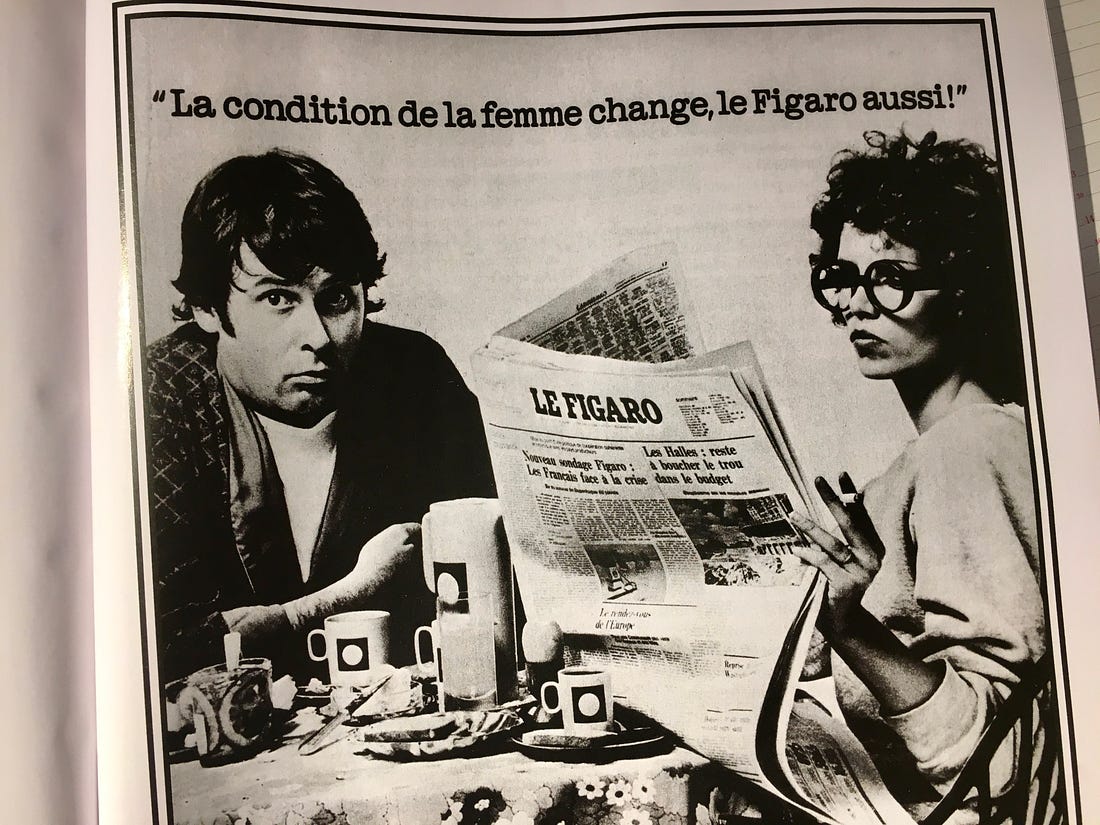
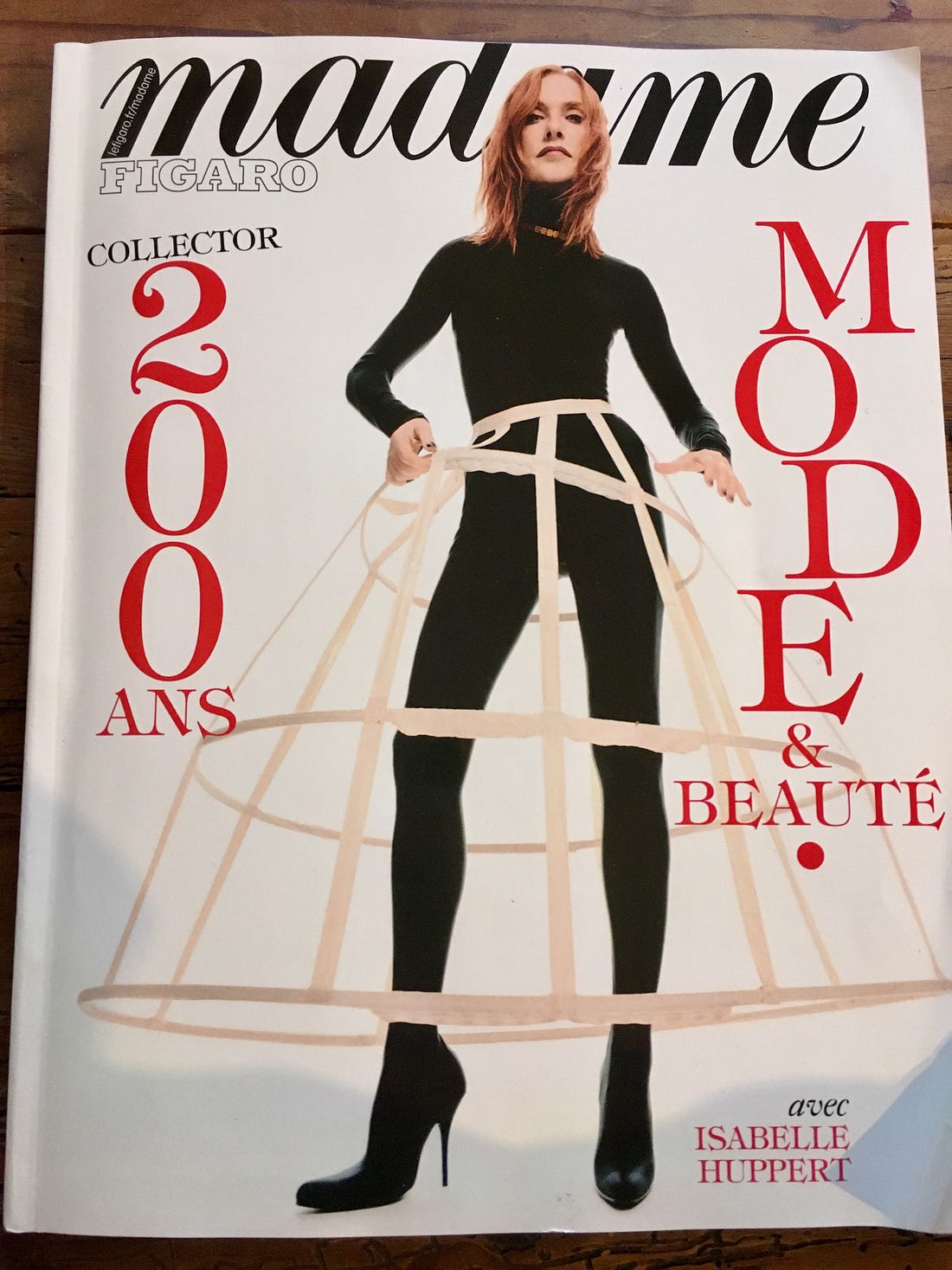
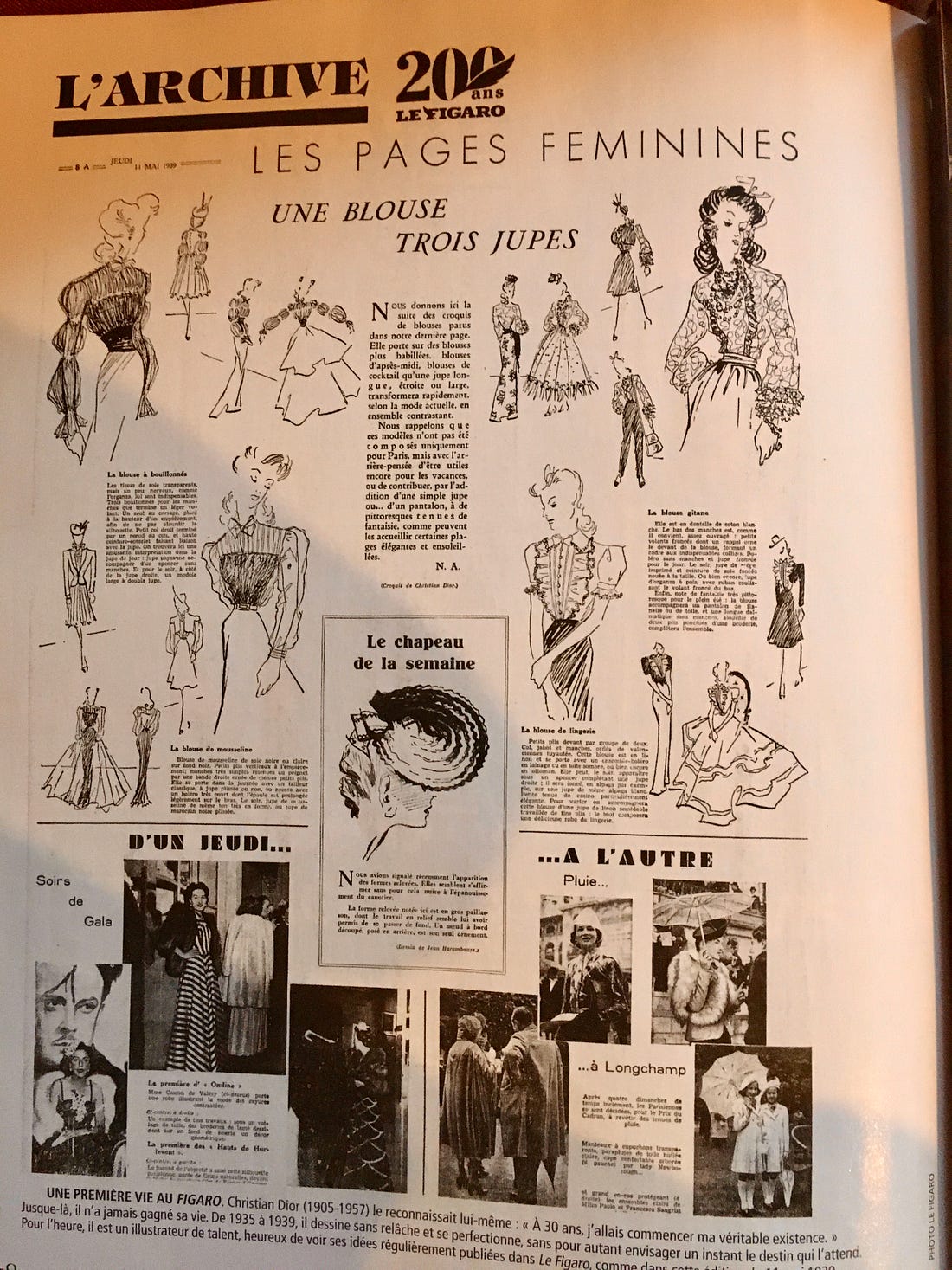
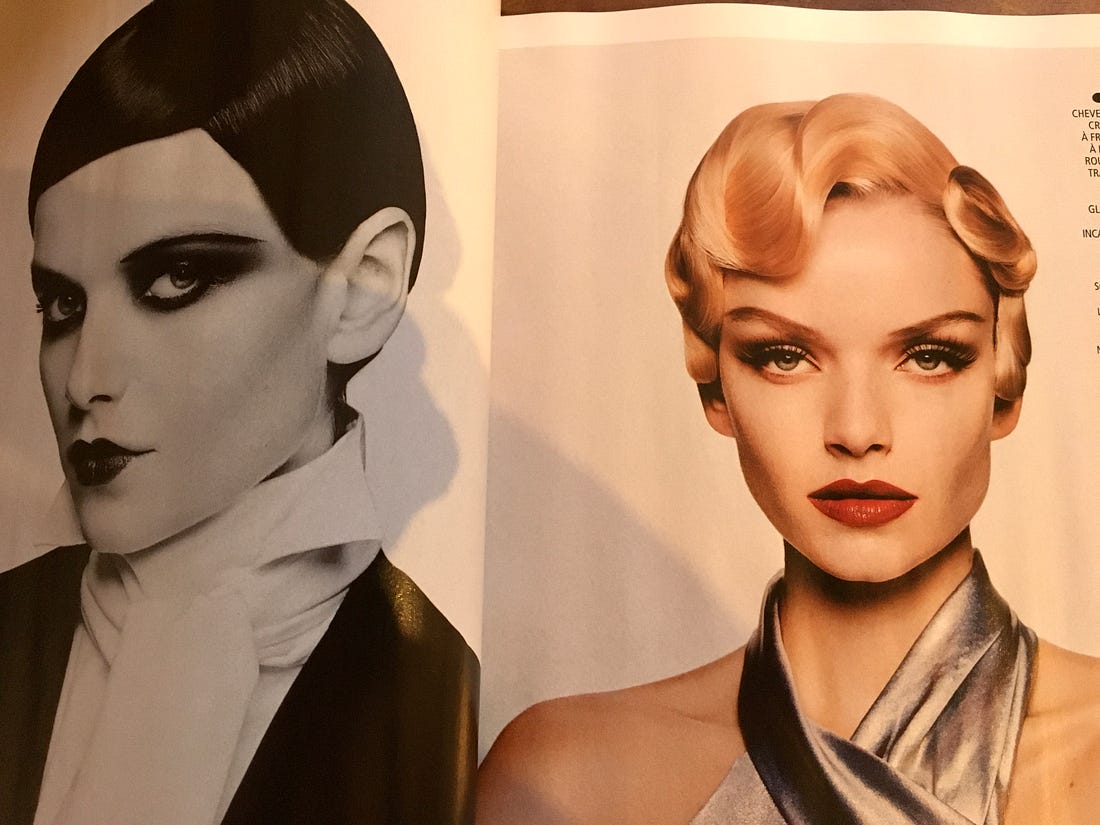
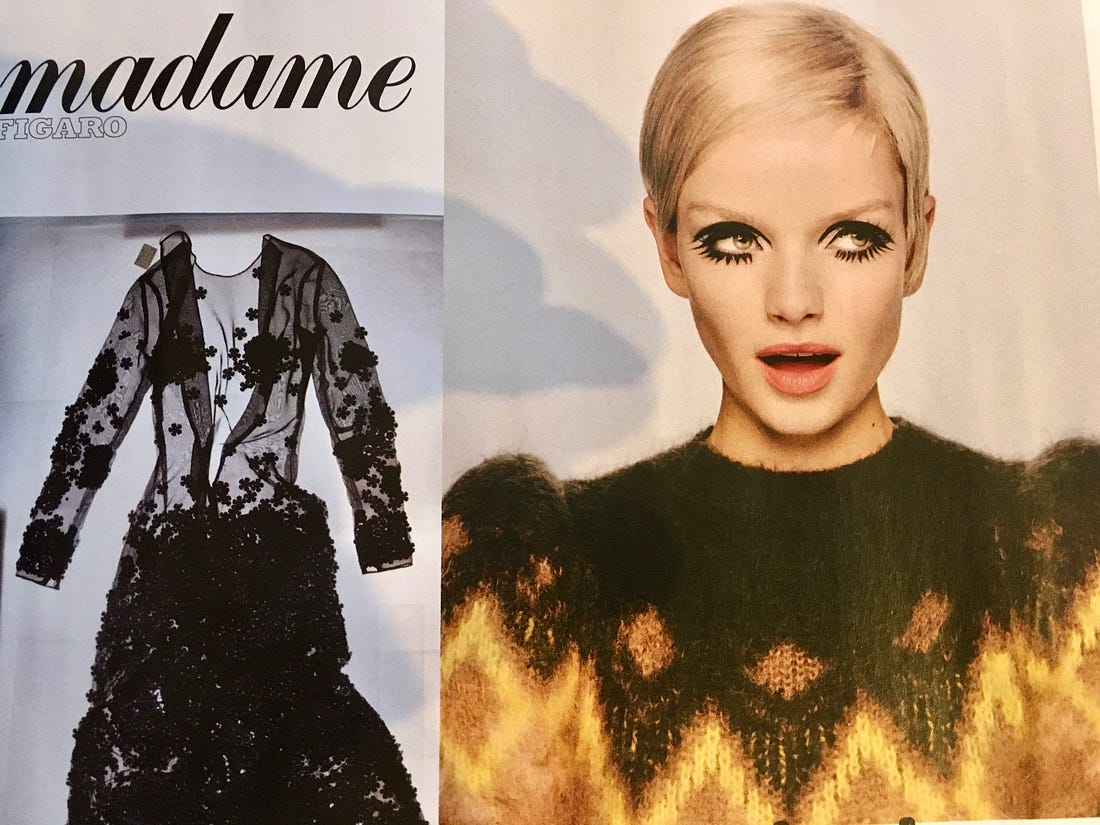
Having survived revolutions, empires, republics, wars, occupations, technological upheavals, and the relentless churn of modern media, the French newspaper Le Figaro celebrates 200 years of continuous publication in 2026 since its launch on 15 January 1826. To celebrate, it is telling stories about France, Paris, and freedom in its commemorative bicentenary book, Le Figaro, 200 ans de liberté – Le Figaro, 200 years of freedom – by Étienne de Montety. In France, freedom remains inseparable from the triad that still underpins the country: liberté, égalité, fraternité – liberty, equality, fraternity. France, for all its contradictions, has always taken ideas seriously. Newspapers are not merely sources of information here; they are arenas of thought. To write freely, or sometimes to fight for the right to do so, has long been part of the French civic tradition. That is why this bicentenary matters. Le Figaro’s 200 years are not just a celebration of endurance, but of continuity in dissent, in conversation, and in the belief that words matter. The newspaper has a weekend insert magazine called Madame Figaro. For the bicentenary, there is a collector’s edition called Madame Figaro: 200 years of fashion & beauty. But Madame Figaro, often misunderstood as “only” a lifestyle magazine, is also celebrating 200 years of women journalists contributing to the magazine. What strikes me about the Madame Figaro collector’s edition is how intelligently, and subtly, it reflects journalistic freedom. On the surface, the magazine moves through familiar territory: fashion, beauty, skin, style, and appearance. But page by page, it shifts inward: from what women wear to how they live – from outward appearance to inner essence, from superficiality to substance. This movement mirrors a truth many women understand instinctively as they age: outer freedom is meaningless without inner freedom. Fashion can be powerful and expressive, but deeper emancipation lies in the freedom to write, to observe, and to question. The women highlighted in the feature article “Cinq figures libres” – “Five figures of freedom” – showcase the audacity of five women reporting beyond fashion and venturing into newspaper reportage. George Sand, la débutante (the beginner) wrote under a male pseudonym before contributing to Le Figaro in 1831. Amantine Lucile Aurore Dupin de Francueil (1804-1876) was told that journalism was no place for her. She proved otherwise, and then rewrote the rules entirely. Colette, la grande reporter (the senior reporter) had a simple, but radical, principal at the time: “One must see, not invent.” Sidonie-Gabrielle Colette (1873-1954) reported on daily life, animals, women, and, almost scandalously, women’s desire. Hélène de Turckheim, la franc-tireuse (the sharpshooter) began writing for Le Figaro in 1955. Turckheim (1921-2011) refused to be confined to fashion alone. From political portraits to cultural criticism and royal weddings, she moved freely across genres long before that freedom was normalized. Hélène Carrère d’Encausse, l’académicienne (the academic) was a historian and permanent secretary of the French Academy, embodying the freedom of intellect and authority. Writing regularly for Le Figaro, Carrère d’Encausse (1929-2023) brought historical depth into public debate right up until her death. Janie Samet (1931-2022), la papesse de la haute couture (the high priestess of high fashion) was a fashion editor, confidante of designers, and cultural observer. She spoke volumes about power, gender, and modernity. Together, these women illustrate something essential: freedom at Le Figaro was never only about what you wore, but about what you dared to write and think. Freedom, after all, is not static. It matures. After reading the collector’s edition of Madame Figaro, I thought it captured that movement of journalistic freedom beautifully, from skin to soul, and from silhouette to substance. As someone who has lived and worked across decades of political shifts, social change, and media evolution, I am acutely aware of how fragile journalistic freedom is. It is still being eroded slowly through pressure, conformity, and fear. At a moment when trust in media is fragile and attention spans are short, Le Figaro’sbicentenary edition shows that journalism striving for continuity can also be courageous in its conversations about women across generations. The Madame Figaro collector’s edition may celebrate beauty and fashion, but its subtext is unmistakable: it is about women’s freedom to work, to age, and to matter. Two hundred years after its founding, Le Figaro is a mirror and a provocateur. Its anniversary is not just a celebration of longevity, but of “the slow, stubborn expansion of freedom” in print, in style, and in women’s lives. Perhaps that is the most Parisian lesson of all: that elegance and resistance, beauty and intellect, journalism and liberty have never been opposites, but allies.
Can’t see the whole article? Want to view the original article? Want to view more articles? Go to Martina’s Substack: The Stories in You and Me More Paris articles are in my Paris website The Paris Residences of James Joyce You're currently a free subscriber to The Stories in You and Me . For the full experience, upgrade your subscription.
|
… it’s an emotional word … ͏ ͏ ͏ ͏ ͏ ͏ ͏ ͏ ͏ ͏ ͏ ͏ ͏ ͏ ͏ ͏ ...