Thanks to Sophie Yeo, editor of Inkcap Journal and the author of this book to the right, for sharing that book's key insights in essay form in the Guardian: Nature's ghosts: how reviving medieval farming offers wildlife an unexpected haven Agricult…
Thanks to Sophie Yeo, editor of Inkcap Journal and the author of this book to the right, for sharing that book's key insights in essay form in the Guardian:
Agriculture is often seen as the enemy of biodiversity, but in an excerpt from her new book Sophie Yeo explains how techniques from the middle ages allow plants and animals to flourish
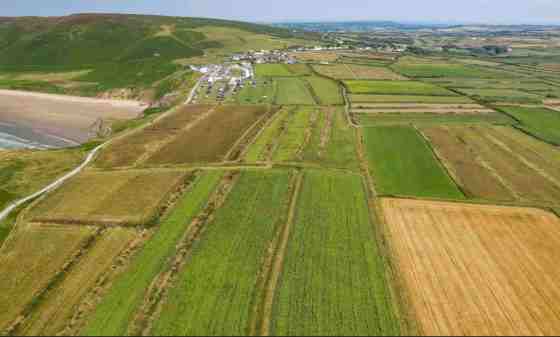
The Vile, a medieval strip field system below Rhossili village, Gower, Wales. Photograph: Wales/Alamy
The Vile clings on to the edge of the Gower peninsula. Its fields are lined up like strips of carpet, together leading to the edge of the cliff that drops into the sea. Each one is tiny, around 1-2 acres. From the sky, they look like airport runways, although this comparison would have seemed nonsensical to those who tended them for most of their existence.
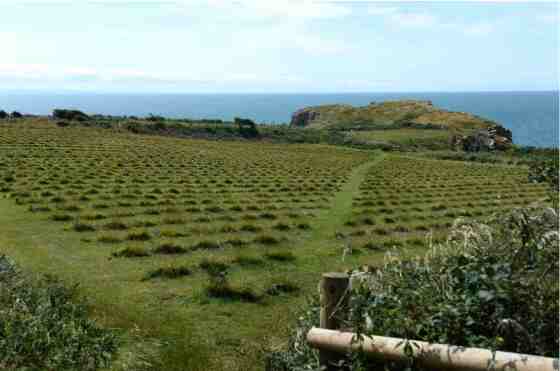
A field of lavender on the Vile above Fall bay, Rhossili, planted in summer 2019 to encourage pollinating insects. Photograph: Holden Wildlife/Alamy
That is because the Vile is special: a working example of how much of Britain would have been farmed during the middle ages. Farmers have most likely been trying to tame this promontory since before the Norman conquest.
The fields have retained their old names, speaking to a long history of struggle against the soil. Stoneyland. Sandyland. Bramble Bush. Mounds of soil known as "baulks" separate one strip from the next.




No comments:
Post a Comment