The universality of a café table and poetry… and still, quaint, old-fashioned mountain poetry … sort of …
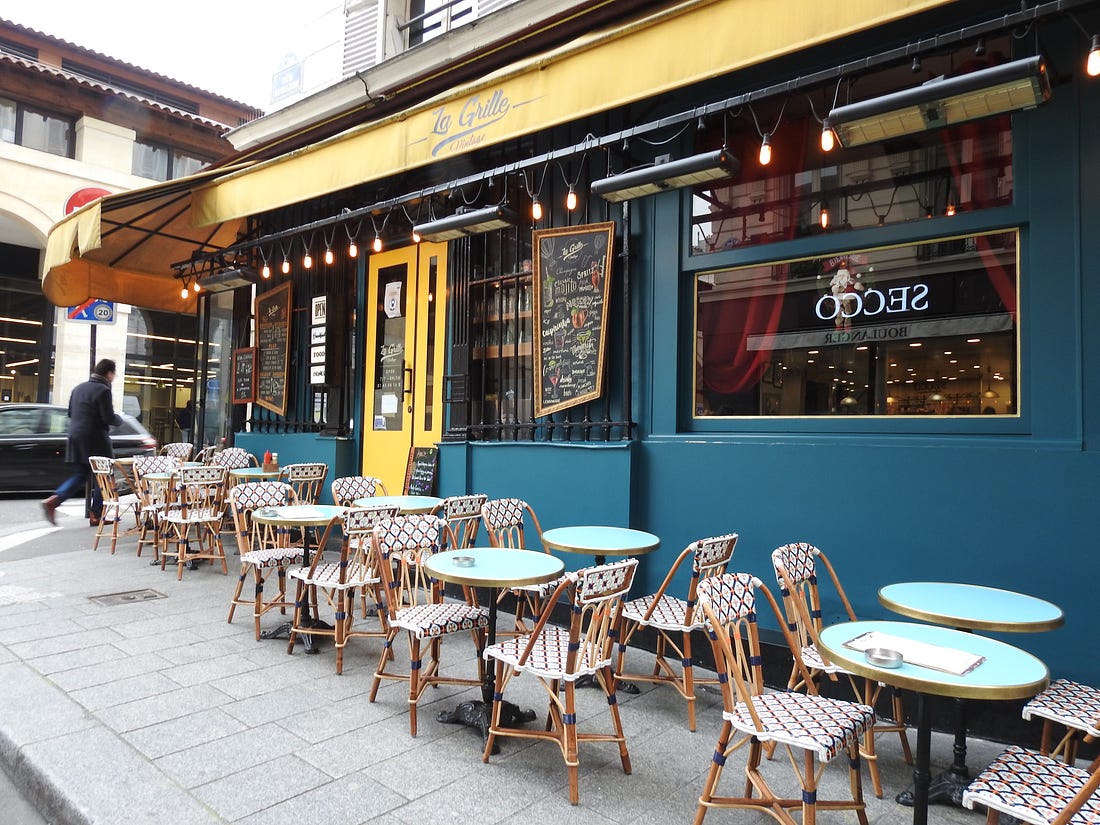
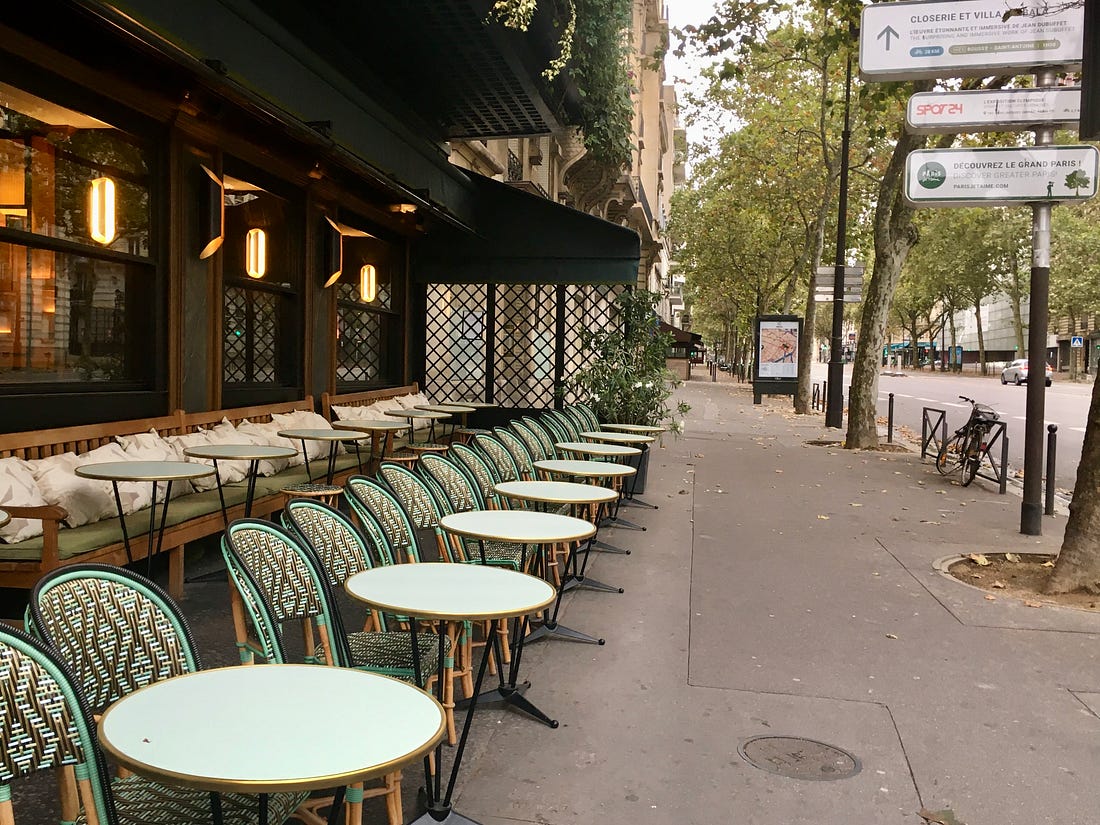
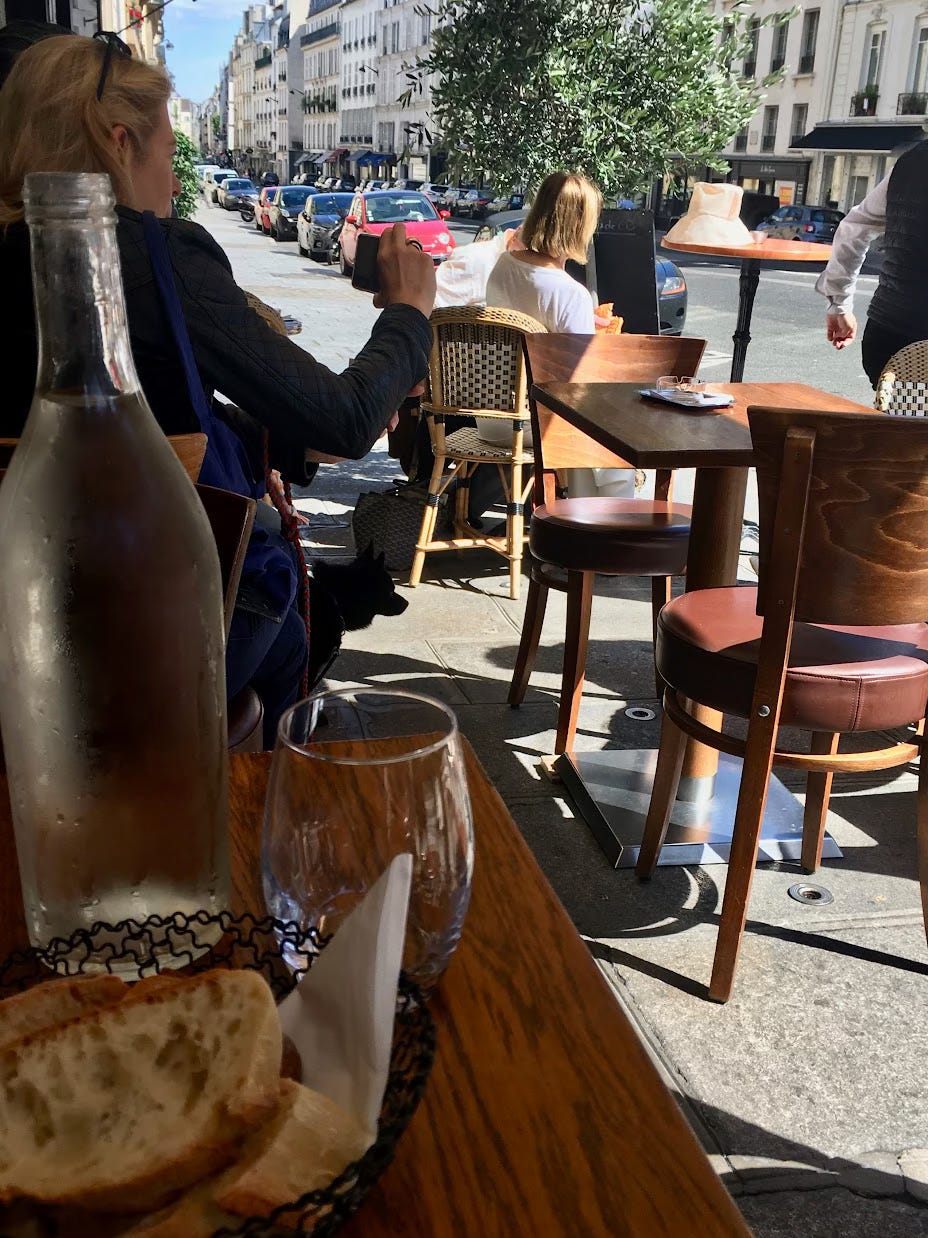
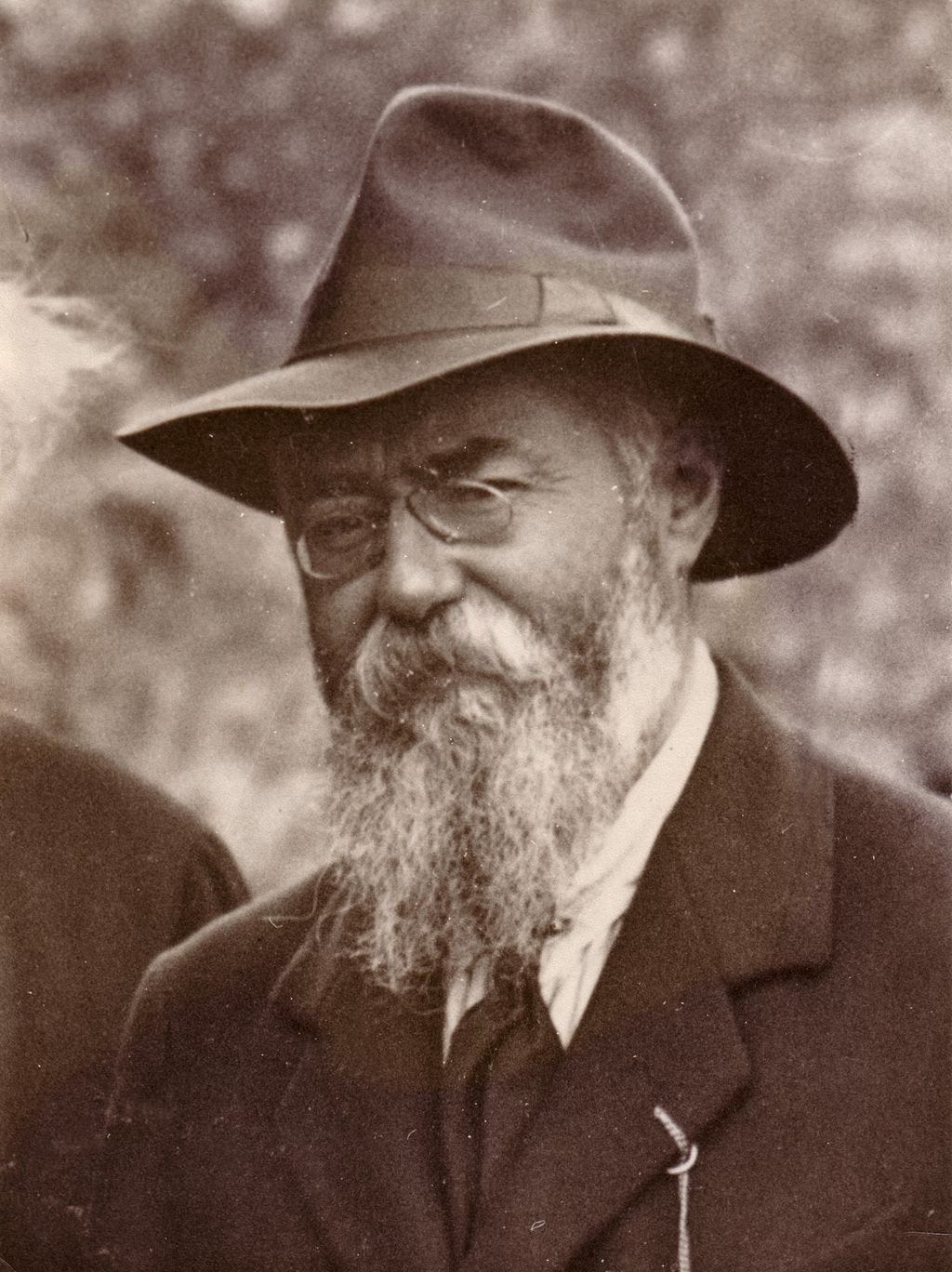
Francis Jammes is a French poet from the mountainous region of the Pyrenees. I came across one of his poems and subsequently le Jammisme manifesto – Jammism. His poem “Café Table” felt like it was “my poem.” Café Table I asked for wine, but sipped the sun — A sparrow landed near the bun. No prophet came, no trumpet blew — Just light and bread. And maybe you. Francis Jammes (1868-1938) is a lesser-known French poet born in the small town of Tournay in the mountains of the French Pyrenees – so he’s very much a mountain man, growing up in provincial life among peaks, rivers, nature, and animals. On 19 January 1897, at the age of 29, he sent academic Alfred Vallette what he intended to be a “comical and very witty little manifesto” – the Jammist manifesto. The next day, he said it was a ‘stupid act” in which he appeared that he was making “a personal advertisement for myself” and asked Vallette for its return. It was not returned. Instead, his vanity manifesto was published two months later. He did write some inappropriate statements (“a particular predilection for young girls” and “the propensity to disseminate portraits of the artist himself everywhere”) although he also advocated for sincerity, sensitivity, religion based on the beauty of Creation, the love of nature and animals, sympathy for the suffering, an understanding of rustic life, and the truth of poetry. The main trait of Jammism was his use of imagery which distinguished him from Symbolist poets. For Jammes, imagery does not symbolize; imagery compares. He briefly went to Paris in 1905, where he was influenced by poets André Gide and Paul Claudel. Thirteen of his poems from his collection “Sorrows” were set to music in 1914 by composer Lili Boulanger. His works were received among a small audience but never became truly fashionable because he was deemed to be a “solitary provincial poet.” His work often carried a spiritual undercurrent after his conversion to Catholicism in 1905, although mostly his poetry was infused with a Franciscan love for nature and the “divine in the everyday.” His style was more like going for a walk along a country road, pointing out the evening swallows, or the smell of bread from a village bakery. Francis Jammes preferred the countryside to the boulevards of Paris, and his poetry reflects a devotion to the humble life, such as poems about gardens, flowers, worn wooden tables, and donkeys. His eventual retreat to Orthez in France marked his independence from the poets of Paris and his gradual disappearance from its cultural memory. Part of his disappearance was due to timing. He lived through, and outlived, the explosion of modernist experimentation in the early 20th century. While Guillaume Apollinaire, André Breton, and the Surrealists reshaped French poetry, Jammes kept to his unadorned style, which many critics began to see as quaint and old-fashioned. Another reason was that his poetry was not “high drama.” He had no scandalous love affairs, just a lot of stillness, which was easily overlooked and thought to be boring. In addition to “Café Table” which is still-life in verse and the ritual of sitting in the afternoon sun, I like “You Come When the Sun Sinks Low” where twilight is a tender part of the day, before night takes hold, and “You Will Be Naked” where stillness is in the presence of a person’s love. Tu seras nue (You Will Be Naked) You will be naked in the living room of old things, thin as a spindle of reed light, and, legs crossed, by the pink fire, you will listen to winter. At your feet, I will take your knees in my arms. You will smile, more graceful than a willow branch, and, placing my hair on your soft hip, I will weep that you are so sweet. Our proud glances will be kind to us, and, when I kiss your throat, you will lower your eyes, smiling at me, and let your soft neck bend. Then, when the old, sick and faithful servant comes to knock at the door, saying: dinner is served, you will start, blushing, and your frail hand will prepare your grey dress. In our era of digital over-stimulation, the poetry of Jammes feels strangely modern again. To read Jammes today is to slow down. Paris, with all its glamour, is still made up of the scenes that Jammes describes, but perhaps in remembering Francis Jammes, we remember that poetry itself began at the café table, in the twilight, and in the presence of someone “so sweet.”
Can’t see the whole article? Want to view the original article? Want to view more articles? Go to Martina’s Substack: The Stories in You and Me More Paris articles are in my Paris website The Paris Residences of James Joyce Rainy Day Healing - gaining ground in life You're currently a free subscriber to The Stories in You and Me . For the full experience, upgrade your subscription.
|
Sunday, 10 August 2025
The universality of a café table and poetry






Subscribe to:
Post Comments (Atom)

-
petrini1 posted: " For Week 7, the theme of genealogist Amy Johnson Crow...
-
A fall, a faceplant, and getting back up again … ͏ ͏ ͏ ͏ ͏ ͏ ͏ ͏ ͏ ͏ ͏ ͏ ͏ ...
-
The power pose of personal peace - with psychological benefits ... ͏ ͏ ͏ ͏ ͏ ͏ ͏ ͏ ͏ ͏ ͏ ...


No comments:
Post a Comment