Panther, leopard & jaguar as metaphors in literature… big cats slip smoothly between biology, mythology, and literature …
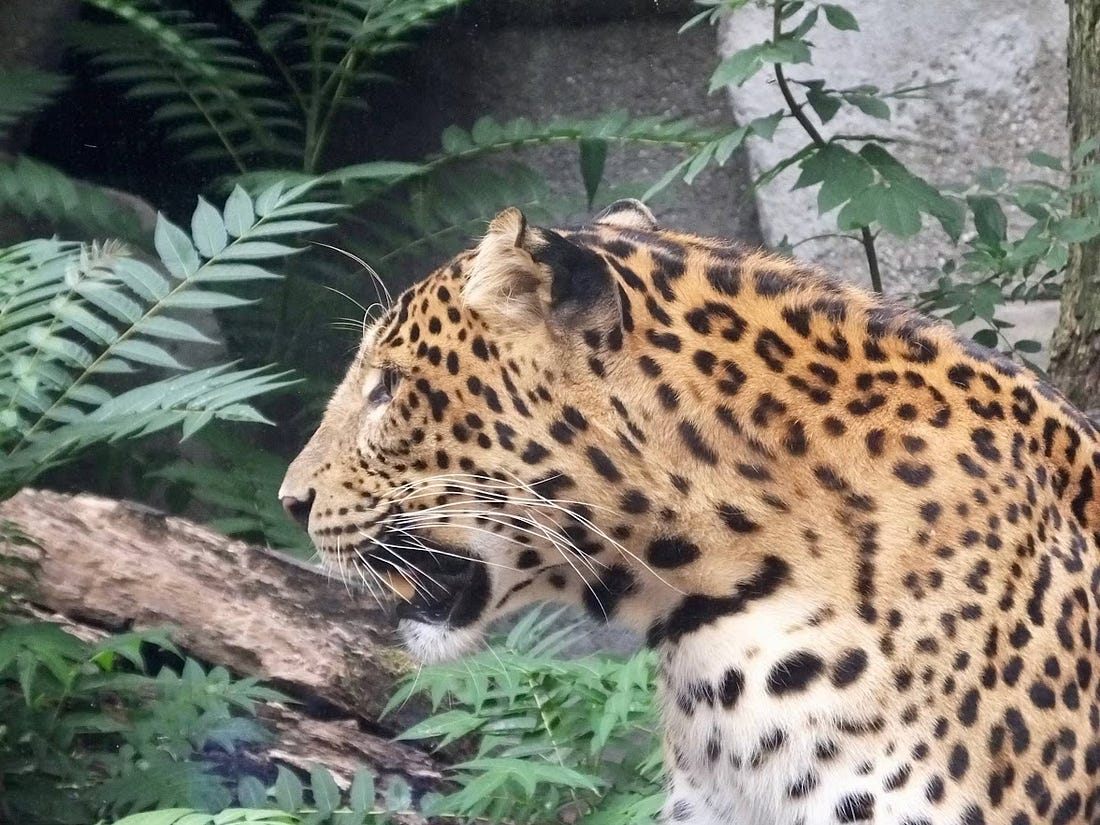
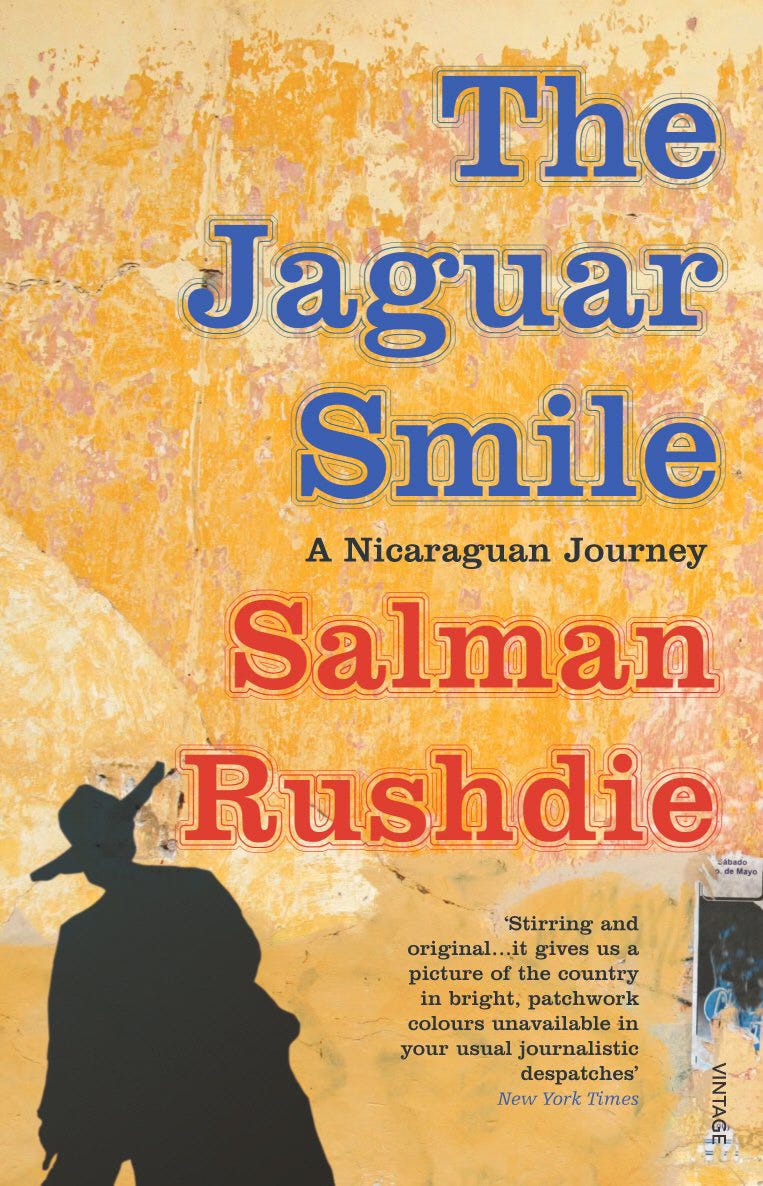
Big cats – the genus Panthera – appear with remarkable consistency as a literary motif of danger and dignity, but also creativity and transformation. As I was doing a panther jigsaw, I thought of three literary greats, separated by continents and centuries, that reminded me of their distinct interpretation: the 12th century poem The Knight in the Panther’s Skin by Shota Rustaveli from Georgia, the 1958 novel The Leopard by Italian Giuseppe Tomasi di Lampedusa, and the 1987 The Jaguar Smile: A Nicaraguan Journey by Indian-born Salman Rushdie. Rustaveli in The Knight in the Panther’s Skin uses the panther as an emblem of transformation in his medieval epic poem of 1,656 verses. Princess Tinatin asks knight Avtandil to search for a mysterious solitary knight, Tariel, who wears a panther’s skin: a wild, courageous, uncontrollable man. In return, if found, she will marry Avtandil. Meanwhile, Tariel is searching for his unfathomable love Nestan-Darejan. The panther’s skin functions as spiritual protection but also grief, symbolizing inner strength forged through suffering, yet there is transformation and hope: “The dry rose falls within the garden, a new rose arises there.” In Lampedusa’s The Leopard, the animal serves as a metaphor for historical decline. Don Fabrizio is the “Leopard” representing the Sicilian aristocracy facing obsolescence amid Italy’s unification. Unlike Rustaveli’s panther, which denotes vitality through transformation, Lampedusa’s leopard becomes a symbol of elegant exhaustion: a creature out of step with its environment, yet regal in decline. The paradox of survival through change is encapsulated in the novel’s most cited line: “If we want things to stay as they are, things will have to change.” The leopard motif underscores aristocracy’s twilight, caught between tradition and inevitability, even as individuals resist. Rushdie’s The Jaguar Smile situates the jaguar within the context of revolutionary Nicaragua. Unlike the panther’s lament or the leopard’s nostalgia, the jaguar here becomes a national emblem of resilience, ferocity, and creativity under pressure. Rushdie characterizes the jaguar as both a literal presence in Nicaraguan iconography and a figurative representation of the Sandinista movement. The “smile” of the jaguar captures a paradoxical quality: the simultaneous menace and hope of revolutionary struggle. It symbolizes danger and resilience in the present tense, energy in motion, and the unpredictability of history as a new path is forged. Taken together, these three works demonstrate the elasticity of the big-cat motif: panther – grief transformed into strength; leopard – aristocratic decline and the dignity of loss; jaguar – revolutionary resilience and national identity. What unites them is the recognition of the big cat as a threshold figure: both feared and admired, shadow and light, mystery and spirituality. In all three contexts, the big cats signal forces larger than the individual, whether love and grief, historical change, or political upheaval. The recurrence of panther, leopard, and jaguar imagery across these otherwise disparate works suggests a cross-cultural symbolic resonance. Big cats are elusive apex predators, but in literature, they often stand for mysterious forces beyond human control: history, desire, death, transformation, fate. Perhaps that is why these books resonate so powerfully. Their presence in the works of Rustaveli, Lampedusa, and Rushdie underscores the enduring literary function of the predator as metaphor: an image through which writers confront mortality, history, transformation, and survival. The big cats suggest that life is never fully tamed; there is danger but also a strange kind of beauty and the recognition that survival is not about comfort, but about movement, adaptation, and grace. Whether in a Georgian epic, an Italian elegy, or a Nicaraguan travelogue, the panther, leopard, and jaguar circle us still. Their shadows stretch across centuries, and the literary jungle is never without its predators.
Can’t see the whole article? Want to view the original article? Want to view more articles? Go to Martina’s Substack: The Stories in You and Me More Paris articles are in my Paris website The Paris Residences of James Joyce Rainy Day Healing - gaining ground in life You're currently a free subscriber to The Stories in You and Me . For the full experience, upgrade your subscription.
|
Thursday, 25 September 2025
Panther, leopard & jaguar as metaphors in literature








Subscribe to:
Post Comments (Atom)

-
petrini1 posted: " For Week 7, the theme of genealogist Amy Johnson Crow...
-
The power pose of personal peace - with psychological benefits ... ͏ ͏ ͏ ͏ ͏ ͏ ͏ ͏ ͏ ͏ ͏ ...


No comments:
Post a Comment