Imagining Mythical Creatures: how myth breathes life into stories… the creative process behind mythic storytelling, not just as observers but as makers of meaning …
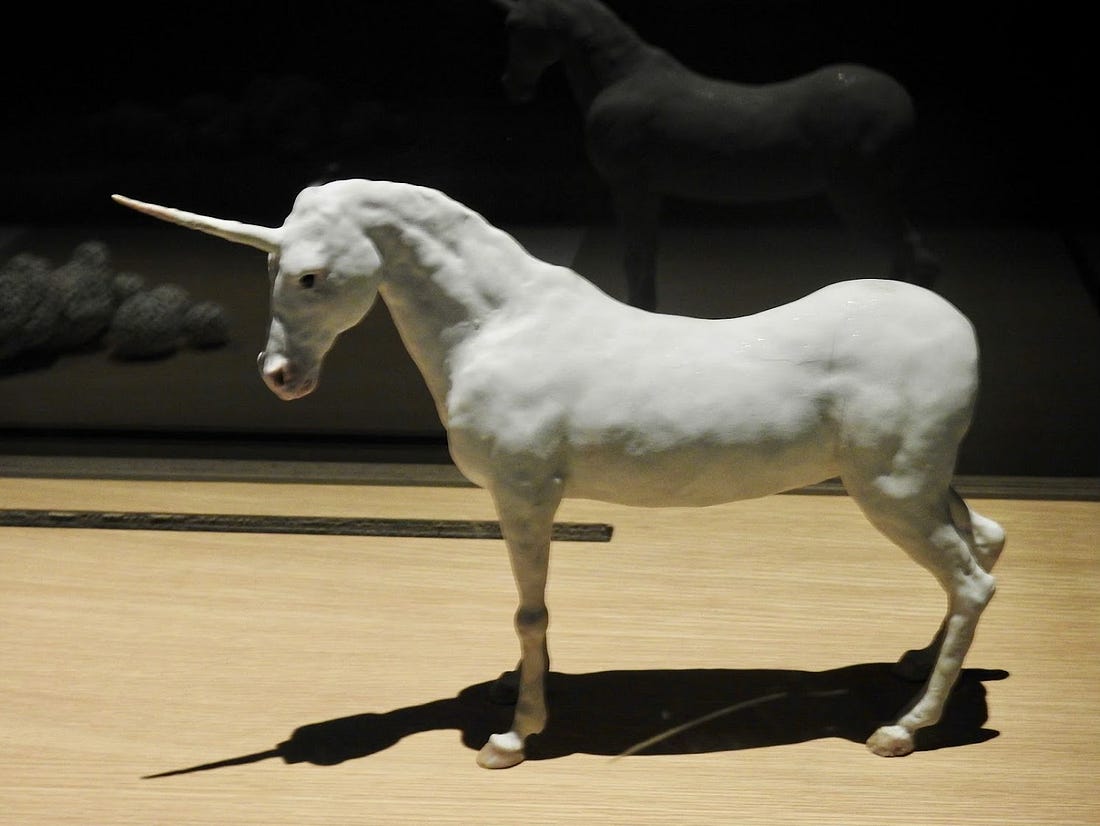
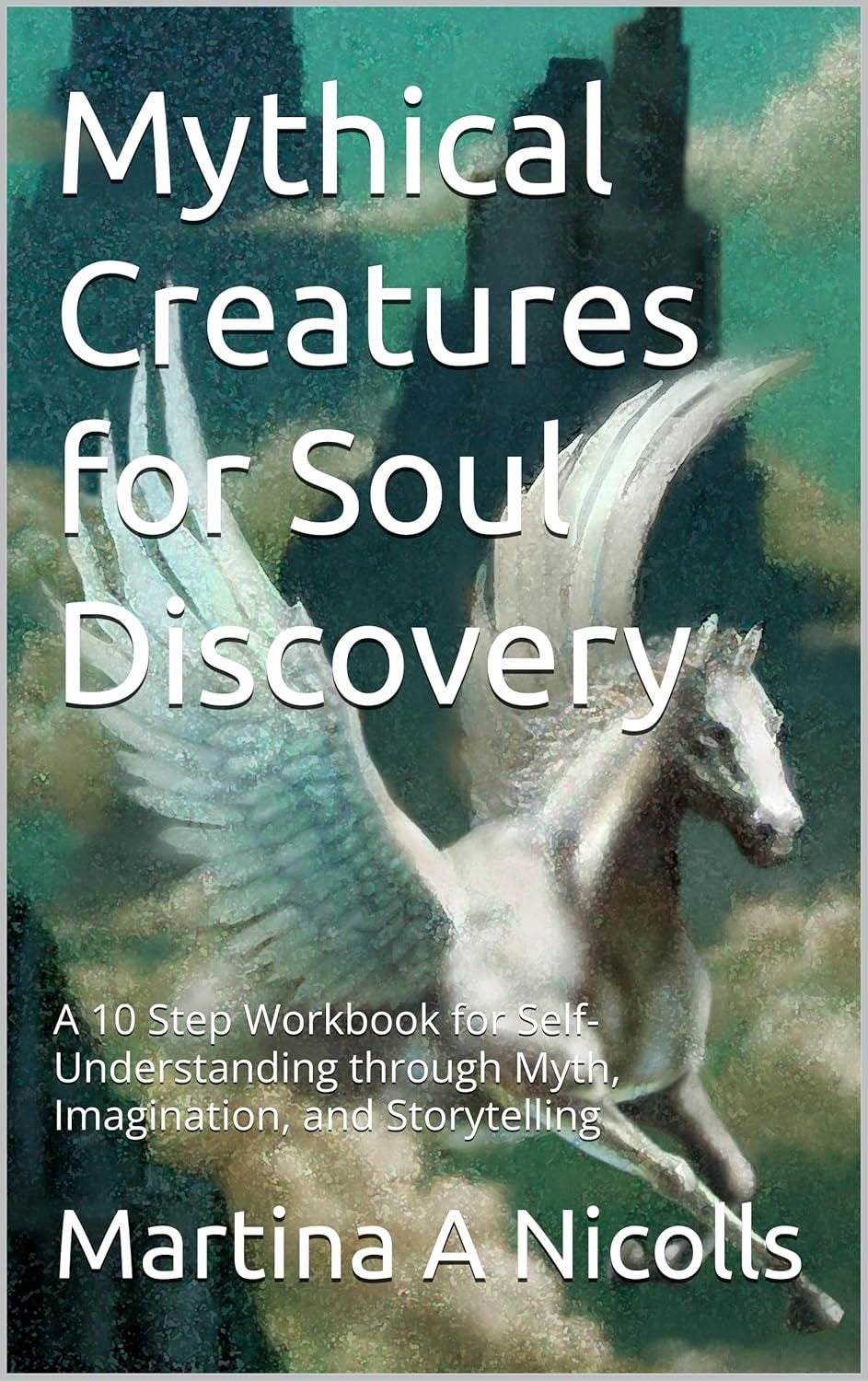
Why do mythical creatures, such as dragons, phoenixes, selkies, unicorns, giants, and trolls, endure in every culture, every era, every imagination? Mythical creatures are the language our subconscious uses when words fail. They express what we can’t easily say: our longing for transformation, our fear of destruction, our desire to fly, to heal, to rise again. And when we write with them, draw them, or imagine them, we resonate with something both ancient and deeply personal. Mythical creatures make great storytelling companions which is why modern storytellers keep reinventing them. When we write about mythical creatures, we are not really writing about the creature; we are writing about ourselves. The dragon might be our anger, suppressed or expressed. The phoenix could be our recovery from loss, our creative rebirth. The mermaid might be the part of us that lives between worlds. The griffin could symbolize our dual nature, intellect and instinct, air and earth, reason and heart. These archetypes have survived because they help us shape struggle and pain into order, chaos and confusion into story. In that transformation, storytelling becomes a means of healing, not just art. In my workbook Mythical Creatures for Soul Discovery, I explore a 10-step process that blends imagination, art, and storytelling for self-understanding. In summary, choose your mythical creature (but don’t overthink it), ask what it wants (if it could communicate), let it guide a story (what happens and who learns what?), and reflect on it afterwards (what part of you have you just described in disguise?) Each story you write in this way is a mirror to your emotional landscape but refracted through beauty and art, imagination and creativity, symbolism and meaning. Working with mythical creatures is like entering a dialogue between your conscious and unconscious mind. It’s less about “inventing” and more about “uncovering.” That’s why using mythical creatures makes powerful stories. This process often leads to unexpected insights, creative freedom, artistic flow, and emotional catharsis. That’s the paradox of myth: it is both universal and personal. We still tell stories of mythical creatures that never lived because they embody emotions that never die. The dragon sleeps because power must rest. The phoenix is reborn because we must believe in renewal. The unicorn vanishes when we lose innocence. To write these stories is to participate in an unbroken chain of imagination and creativity stretching back thousands of years. In the end, myth is not about believing in impossible creatures; it’s about believing in possible transformation. Storytelling is how we name that transformation. If you would like to dive deeper into this process, Mythical Creatures for Soul Discovery: A 10 Step Workbook for Self-Understanding through Myth, Imagination, and Storytelling is a creative companion for anyone who wants to use imagination as a bridge between emotion and meaning. Additional reading: Making my peace … with mythical creatures for healing.
Can’t see the whole article? Want to view the original article? Want to view more articles? Go to Martina’s Substack: The Stories in You and Me More Paris articles are in my Paris website The Paris Residences of James Joyce Rainy Day Healing - gaining ground in life You're currently a free subscriber to The Stories in You and Me . For the full experience, upgrade your subscription.
|
Sunday, 9 November 2025
Imagining Mythical Creatures: how myth breathes life into stories






Subscribe to:
Post Comments (Atom)

-
petrini1 posted: " For Week 7, the theme of genealogist Amy Johnson Crow...
-
The power pose of personal peace - with psychological benefits ... ͏ ͏ ͏ ͏ ͏ ͏ ͏ ͏ ͏ ͏ ͏ ...


No comments:
Post a Comment