Feast of the Fools: irreverent carnival of sacred disorder… a festival where kings are fools and fools are kings …
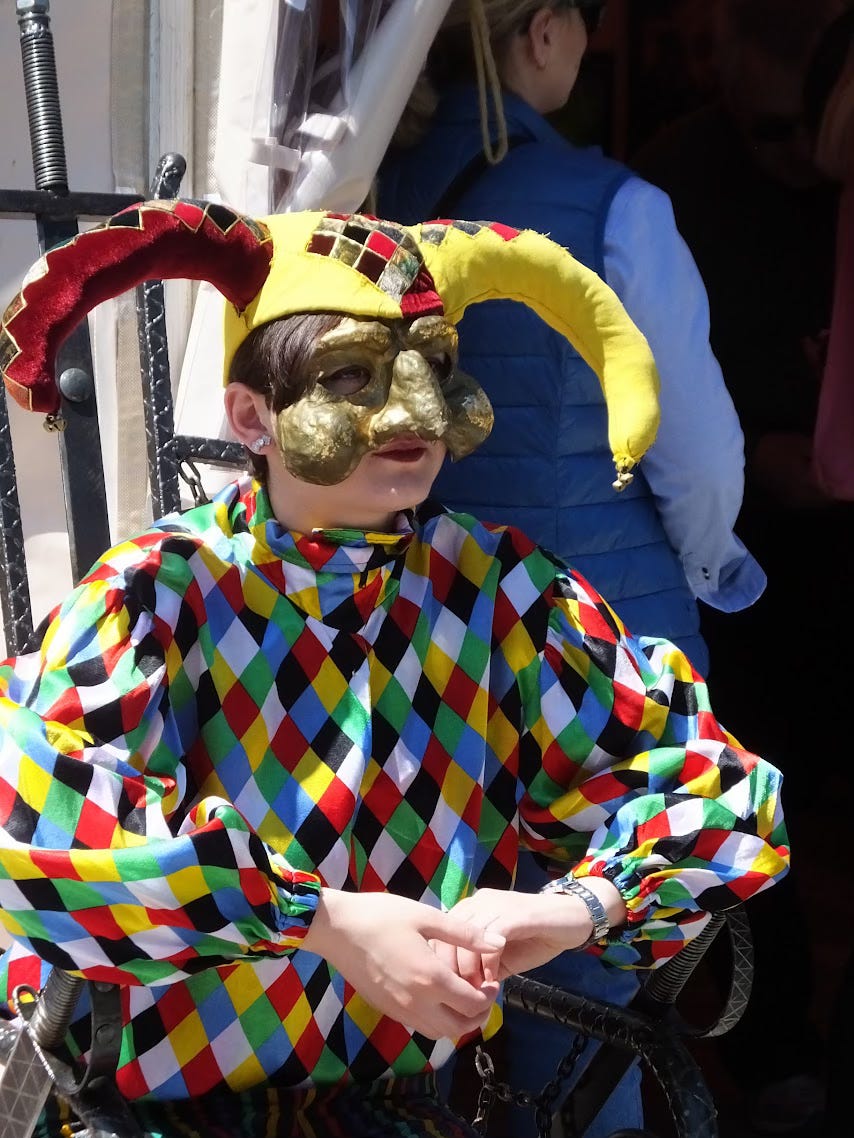
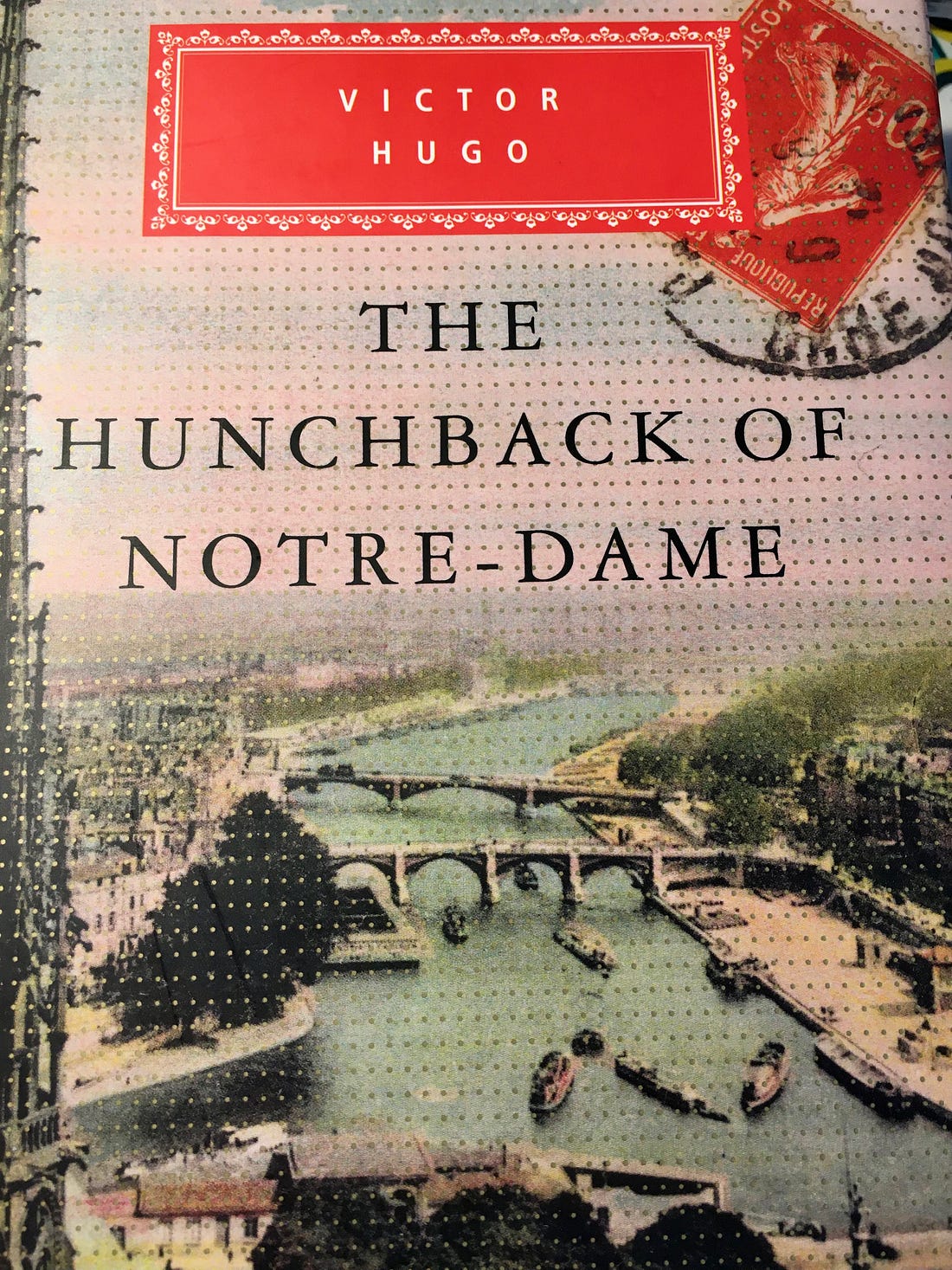
France has an irreverent history of celebrating disorder and turning hierarchy upside down, when bells rang out of tune, choirboys became bishops, kings became fools, and fools became kings. This was the Feast of the Fools. For one day, sometimes up to a week, hierarchy dissolved. The world was turned upside down. The festival emerged in medieval France, around the 12th century, with strong roots in the south. It was not a single, centrally organized event, but a family of local customs that took place in and around churches, often organized by the lower clergy, choir members, or theology students. Junior clerics elected a mock pope or “bishop of fools.” Sacred vestments were worn backwards. Processions paraded donkeys through cathedrals. The smoke of burning shoes replaced incense. Latin hymns were twisted into comic songs. Dice were thrown on altars. Wine replaced solemnity. It was called, quite unapologetically, a disorderly revel. Its spirit was carnivalesque: parody, misrule, satire, and joyful chaos. The Feast of the Fools was primarily held in late December to early January, linked to December 28 (the Feast of the Holy Innocents), January 1 (the Feast of the Circumcision), or January 6 (Epiphany). It was when chaos entered the activities of the sacred. It was daring. Accounts from the period, many written by horrified church authorities, describe scenes that are almost unbelievable today. Clerics brayed like donkeys during Mass. Mock sermons praised drunkenness. Masks were worn inside cathedrals. Gambling took place on holy ground. The poor mocked the powerful. The solemn was made ridiculous. Beneath the scandal, historians saw something important. It was not simply a festival of misbehaviour. It was a ritualized release, like a social pressure valve. It was a brief, structured moment when those who lived under relentless hierarchy could invert it. The fool became king. The king became a joke. I’m reminded of this feast because I’m re-reading Victor Hugo’s 1831 novel The Hunchback of Notre-Dame. Hugo places one of the novel’s most famous scenes at the heart of this festival. The hunchback, Quasimodo, is elected Pope of Fools. Dragged before a crowd, his physical deformity makes him, in their eyes, the perfect embodiment of grotesque comedy. He is crowned, paraded, cheered, and finally tormented. The scene is comic. It is also cruel. It is unforgettable. Hugo understood that the Feast of the Fools was not only about laughter, but about power, exclusion, and the fragile line between celebration and violence. The crowd crowns Quasimodo not because they love him, but because he fits their idea of what a fool looks like. In doing so, Hugo exposes how easily societies turn someone “different” into a spectacle. Repeated attempts were made to suppress the Feast of the Fools. Catholic bishops issued condemnations. Councils banned the rituals. Humanist reformers and, later, Protestant movements, rejected what they saw as blasphemy and moral disorder. The Counter-Reformation brought a new emphasis on discipline, clarity, and reverence. By the late 15th and early 16th centuries, church authorities had had enough. Feast of the Fools ended in 1444 and it was officially forbidden by law to celebrate the event in France in 1552. That law remains today. We have equivalents of the feast today, though they wear different hats or crowns. April Fools’ Day offers a thin echo of the feast with harmless tricks, temporary gullibility, and licensed nonsense. Carnivals and Mardi Gras retain more of the old spirit, with their costumes, parades, and ritual excess before Lent. Political satire, meme culture, protest theatre, Burning Man, and even internet absurdism all bear fragments of the same ancient impulse: to mock power, to invert norms, to let the fool speak truths that no one else is permitted to voice. Why did Victor Hugo think it mattered to create a scene around the Feast of the Fools 300 years after it ended? Because Hugo was writing about fractures: beauty and cruelty, faith and fear, the individual and the crowd, love and spectacle. The Feast of the Fools allowed him to place all of these tensions into a single scene. A medieval ritual became a mirror of society, and the festival became a moral stage. And yet, the Feast of the Fools is also about societies that have always known they needed disorder. It was an event where even the most rigid worlds made room, once a year, for a week, for the fool. Perhaps Hugo saw in this vanished feast something profoundly human: our need to mock what frightens us, and to have the freedom of inversion. The Feast of the Fools may be gone, but its ghost still appears in our festivals and in our novels, protests, and screens. Ringing a crooked bell asks us to ponder whether order cannot exist without periods of misbehaviour, disorder, and chaos. A disorderly revel, the chaos of kings becoming fools, and fools becoming kings, may have been almost tolerable for a week in medieval times, but even then, a week was more than enough.
Can’t see the whole article? Want to view the original article? Want to view more articles? Go to Martina’s Substack: The Stories in You and Me More Paris articles are in my Paris website The Paris Residences of James Joyce You're currently a free subscriber to The Stories in You and Me . For the full experience, upgrade your subscription.
|
Monday, 19 January 2026
Feast of the Fools: irreverent carnival of sacred disorder






Subscribe to:
Post Comments (Atom)

-
petrini1 posted: " For Week 7, the theme of genealogist Amy Johnson Crow...
-
… personal protection vs environmental protection – is that the issue? … ͏ ͏ ͏ ͏ ͏ ͏ ͏ ͏ ͏ ...


No comments:
Post a Comment